


Italian School Portrait Art
Italian school portrait art brings centuries of workshop tradition, expressive sitters and devotional subjects straight into a room.
Italian School Portrait Art
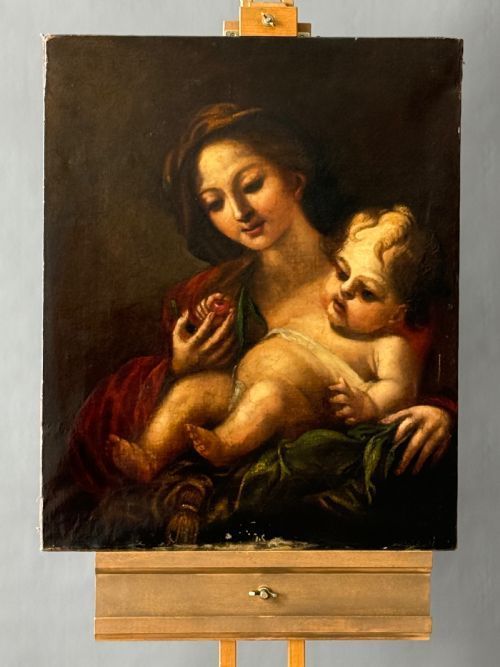
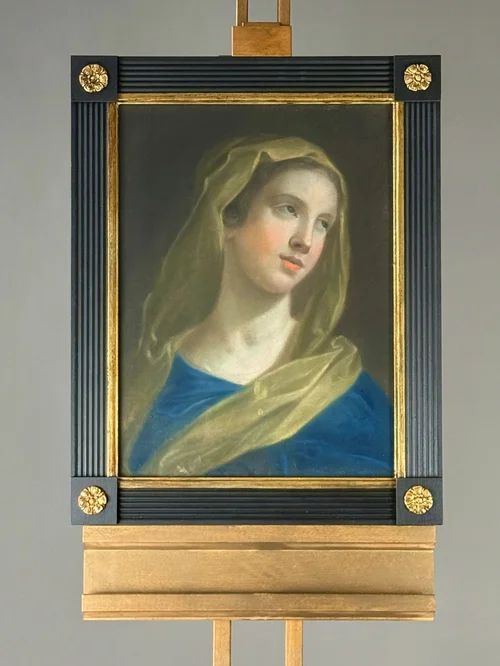
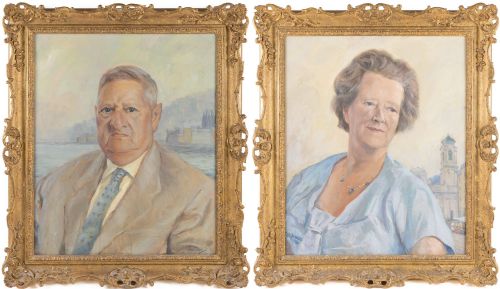
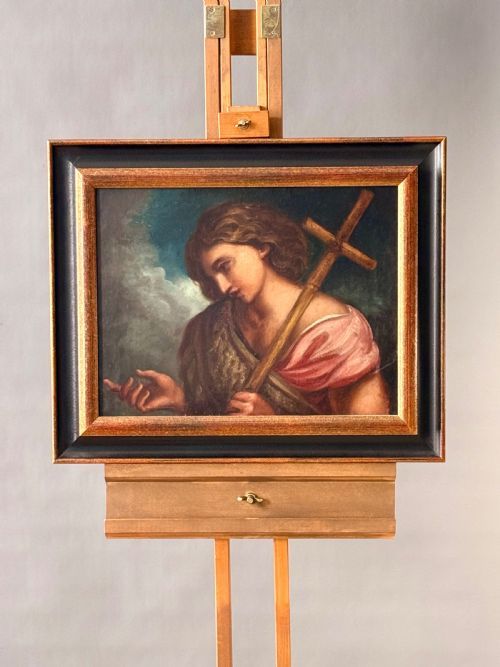
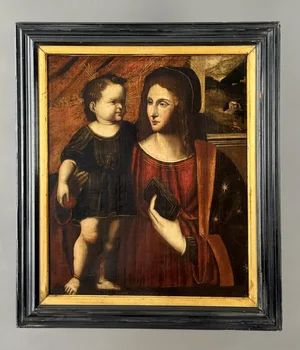
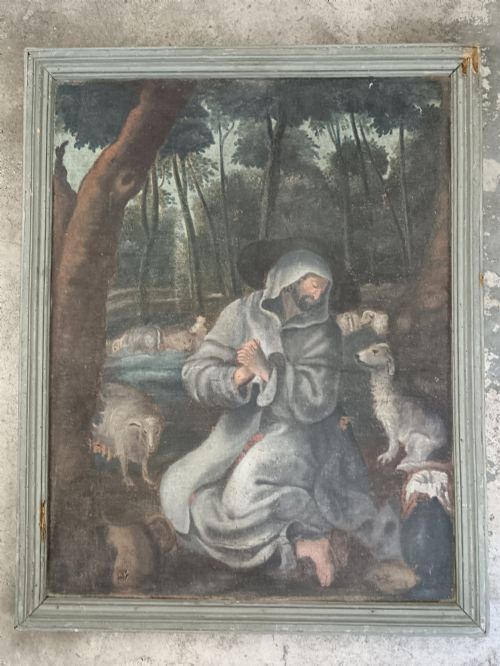
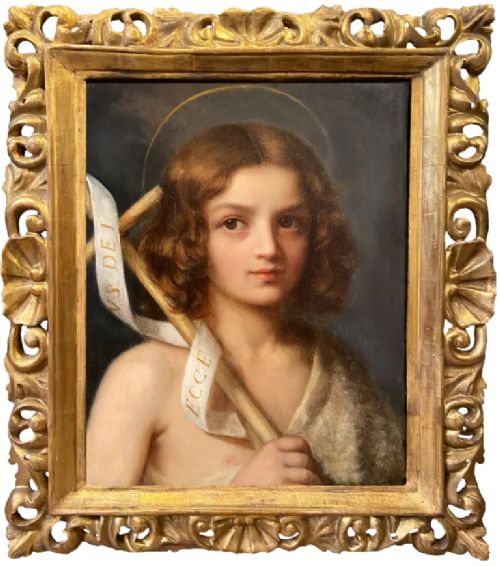
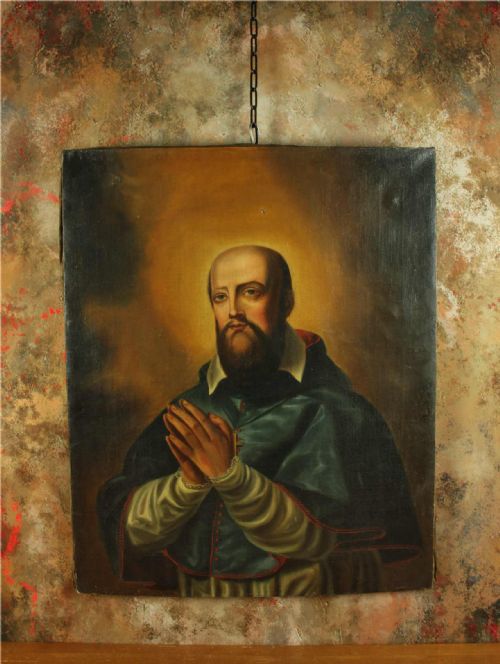
Italian school portrait art encompasses centuries of painted likenesses, religious figures and character studies originating from various regional workshops across Italy. A buyer exploring this tradition will encounter everything from devotional depictions of the Madonna and saints to secular portraits of noblemen, children and fishermen.
The pieces available most frequently span the eighteenth and nineteenth centuries, often rendered in oil on canvas or wood panels, alongside occasional pastels and watercolours. Many works reflect the enduring influence of earlier Renaissance and Baroque masters, either through direct attribution, circles of followers, or later nineteenth-century revivals.
Regional variations also shape the selection, bringing specific stylistic traits from Venetian, Genoese, Roman and Emilian traditions into domestic settings. These works range from intimate cabinet paintings to large-scale framed compositions designed to anchor a principal wall.
Materials and construction
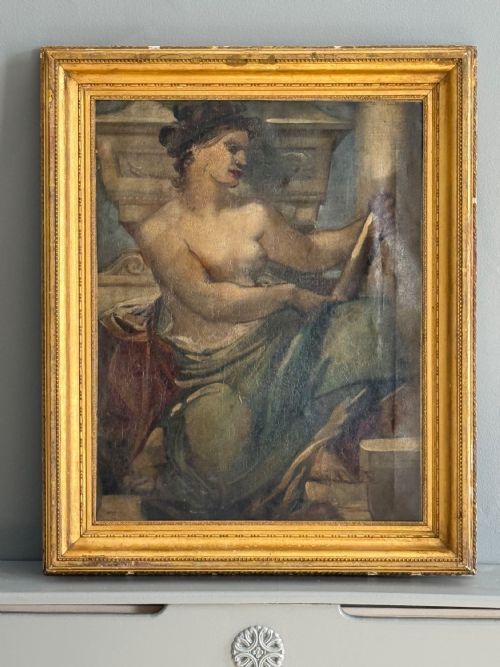
Traditional works rely upon oil paint applied to prepared canvas or solid wood panels, sometimes incorporating fruitwood or other stable timbers for smaller supports. Painters built up depth through layered glazes and pigments, occasionally revealing pentimenti where underlying compositional changes show through the aged surface.
Frames play an integral structural and aesthetic role, frequently consisting of swept giltwood, carved timber, or period mouldings designed to complement the tonal palette of the canvas. Pastels and watercolours utilise paper supports, capturing lighter atmospheric effects but requiring protective glazing.
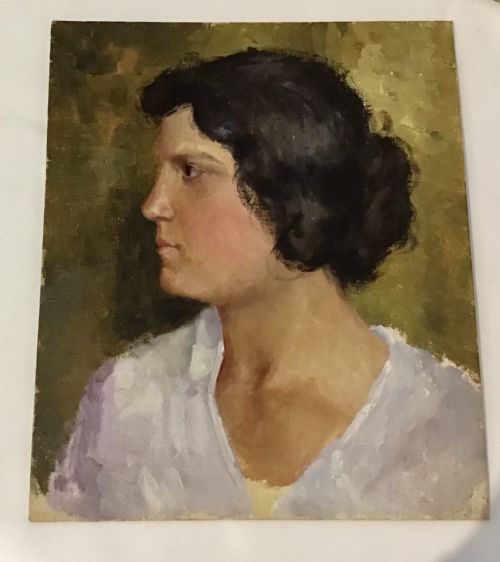
Current listings feature oil on canvas, wood panels, and watercolours spanning from sixteenth-century Venetian studies to twentieth-century Italian portraits.
Factors determining quality
The condition of the original surface, the presence of stable historic craquelure rather than unsympathetic repainting, and the survival of a period gilt frame significantly influence the standing of an individual piece.
Benedetto Luti·Vincenzo Irolli·Leonardo Morello·Federico Andreotti
The Italian School Portrait Art Glossary
- Pentimento
- An alteration in a painting evidenced by visible traces of previous brushstrokes or composition beneath the final layer. This occurrence often authenticates the evolving creative process of the artist.
- Old Master
- A term generally applied to European painters of high skill working before the nineteenth century. These practitioners established the foundational techniques emulated by later regional schools.
- Giltwood
- Timber that has been coated with a thin layer of gold leaf or metallic powder. This finish was standard for framing significant portraits from the baroque period onwards.
- Tondo
- A circular work of art, whether a painting or a relief. This format requires careful compositional balancing by the artist to fit the rounded boundary.
- Provenance
- The documented history of ownership associated with an artwork. A clear history adds considerable context to regional attributions.
Italian School Portrait Art: Frequently Asked Questions
What is Italian school portrait art?
This category includes paintings and works on paper created by Italian artists or those working closely within Italian regional traditions from the sixteenth century onwards. It covers both sacred figures and secular character studies.
Such works reflect the technical evolution of European portraiture, moving from rigid Renaissance formality to expressive Baroque dynamism and later nineteenth-century revivals.
How do I date an old Italian portrait?
Dating relies upon examining the preparation of the canvas or panel, the style of dress and hair depicted on the sitter, and the composition of the pigments. Frame construction also offers reliable secondary clues.
Comparing brushwork techniques against known regional schools helps narrow the period of creation when signatures are absent or indistinct.
Where should I hang a large portrait?
Large-scale works require a wall capable of supporting their physical weight and visual gravity, often above a substantial piece of furniture like a sideboard or fireplace. Proper anchoring into secure masonry or studs is essential.
Avoid placing delicate oil paintings or pastels in direct sunlight or areas subject to severe humidity fluctuations, which can damage canvas and wood supports.
What does after an artist mean?
A painting described as being after a specific master is a later work copied from or heavily inspired by a well-known original composition. These pieces were often produced for study or to satisfy popular demand for a specific imagery.
Such works still demonstrate high artistic skill and offer a way to appreciate major compositional styles within a domestic collection.