

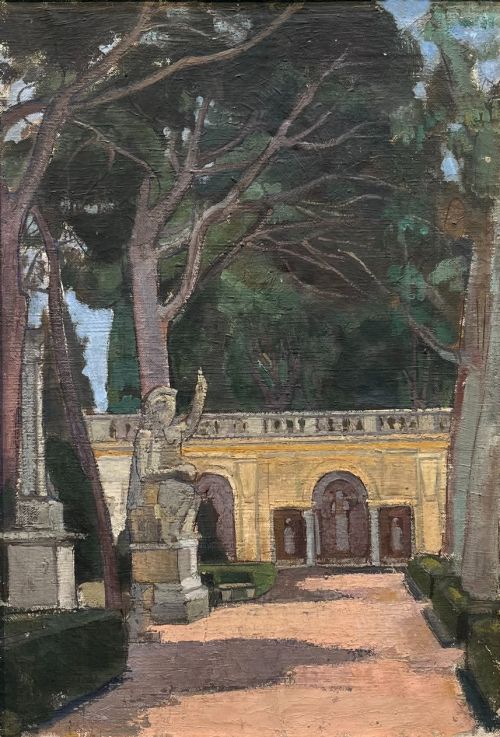

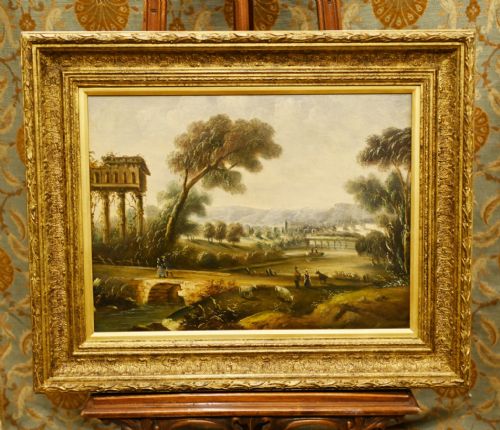
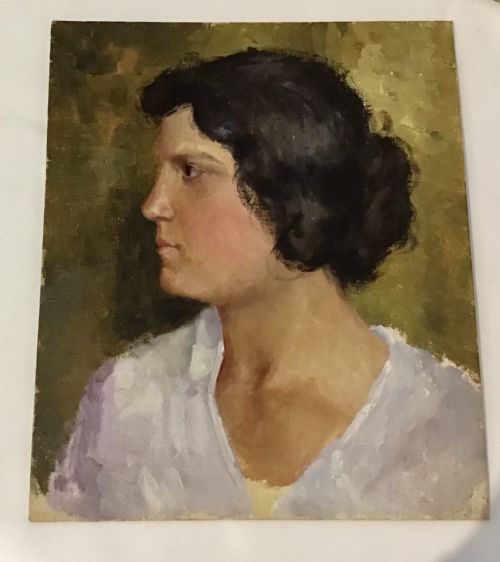


Italian School Oil Artwork
When you search for italian school oil artwork, you are looking at centuries of painted canvas, wood, and pigment originating from regional studios across Italy.
Italian School Oil Artwork
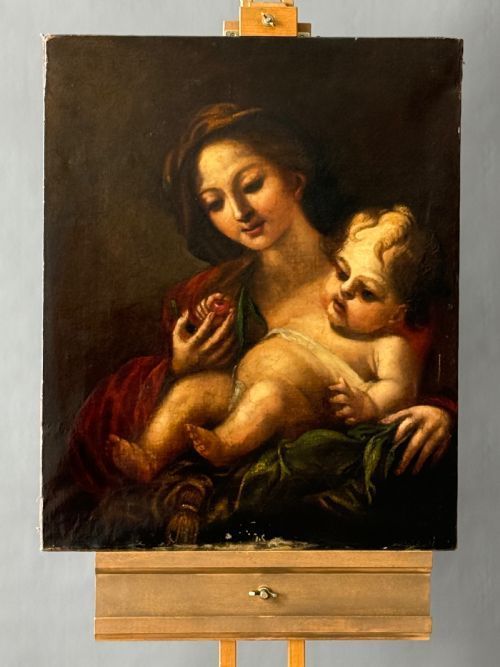
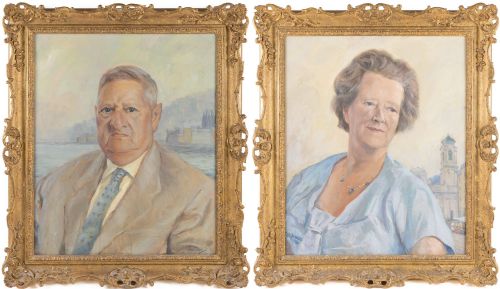
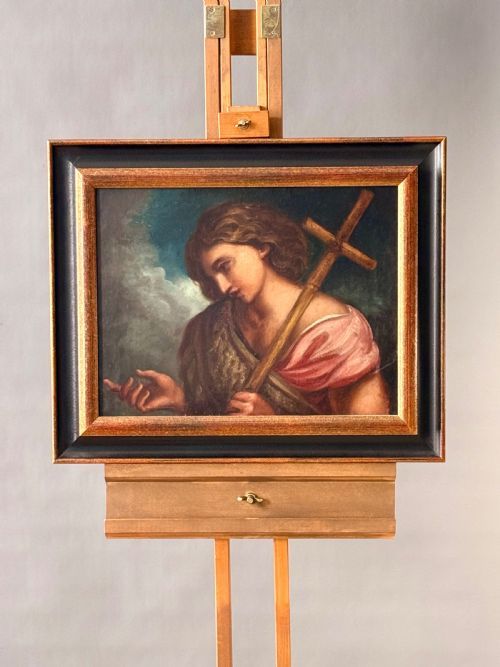
An italian school oil artwork comprises paintings executed in oil paint, spanning periods from the sixteenth century through to the mid-twentieth century. Buyers encounter religious subjects, portraits, landscapes, and historical scenes reflecting regional traditions such as the Venetian, Genoese, and Tuscan schools.
The pieces on this page range from early works associated with Renaissance followers and Baroque masters to nineteenth-century pastoral views and mid-century coastal scenes. Canvas and wood panel serve as the primary supports for these compositions.
Regional variations define the offerings, showing how artistic execution shifted from sixteenth-century devotional panels to nineteenth-century Grand Tour landscapes and twentieth-century coastal depictions.
Materials and technique
Artists built these works using oil paint applied to stretched canvas, wooden panels, or board supports. Pigments were manipulated to achieve tonal depth, particularly in portraits and religious scenes.
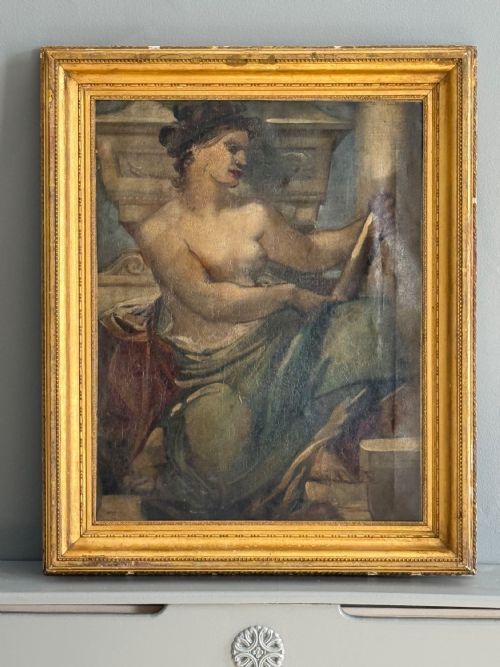
Frames play a structural and aesthetic role, with many pieces housed in period surrounds such as swept gilt frames and gilded wood moulding enhanced by gold leaf.
Frames include gilded wood and swept gilt designs housing portraits, landscapes, and religious compositions.
Evaluating quality
The quality of the framing contributes to the overall integrity of the piece, with period giltwood frames reflecting the craftsmanship contemporary to the canvas.
Fernando Del Basso·Vincenzo Irolli·Giulio Cecchini·Federico Andreotti·Giacomo Nani
The Italian School Oil Artwork Glossary
- Oil on Canvas
- Pigment bound in a drying oil applied to a woven fabric support. This combination allowed artists to blend colours smoothly and build rich surface textures.
- Giltwood
- Wood carved and coated with a thin layer of gold leaf or metallic powder. It frequently surrounds antique paintings to accentuate the visual weight of the artwork.
- Old Master
- A European painter of skill working before about eighteen hundred. These artists formed the foundation of traditional academic painting styles.
- Renaissance Revival
- A nineteenth-century artistic movement drawing inspiration from fifteenth and sixteenth-century compositions. Works in this style emulate the themes and technical precision of earlier Italian masters.
- Panel Painting
- A painting executed on a flat piece of wood rather than stretched fabric. Wood panels provide a rigid support common in earlier centuries before canvas became dominant.
Italian School Oil Artwork: Frequently Asked Questions
How do I identify an Italian school painting?
Examination of the subject matter, stylistic conventions, and framing often provides clues to regional Italian origins. Many works carry attribution to specific schools or followers of known masters.
Documentation, signatures, and historical exhibition labels on the reverse of the canvas or panel further assist in establishing provenance and period context.
Were these paintings always framed?
Most historical artworks were paired with frames designed to complement their aesthetic and protect the edges of the canvas or wood panel. Swept gilt frames and gilded wood mouldings are common among nineteenth-century pieces.
Frames sometimes date to a later period than the painting itself, reflecting subsequent tastes in display and domestic interior decoration.
What subjects are most common?
Religious themes dominate the earlier centuries, including depictions of the Madonna and Child, saints, and biblical narratives. Portraits and allegorical scenes also appear frequently across the seventeenth and eighteenth centuries.
Later nineteenth and twentieth-century works shift toward pastoral landscapes, architectural views, coastal scenes, and genre paintings created for travellers on the Grand Tour.
How should I care for an oil painting?
Display paintings away from direct sunlight, high humidity, and rapid temperature fluctuations to protect the oil paint and wooden supports. Gentle dusting with a soft, dry brush maintains the surface without disturbing the pigment.
Avoid using water or chemical cleaners on the canvas or the giltwood frame, consulting a professional conservator for any cleaning or restoration needs.