

Italian School Art
Italian school art gathers centuries of paintings and drawings spanning the Renaissance, Baroque, and Grand Tour eras.
Italian School Art
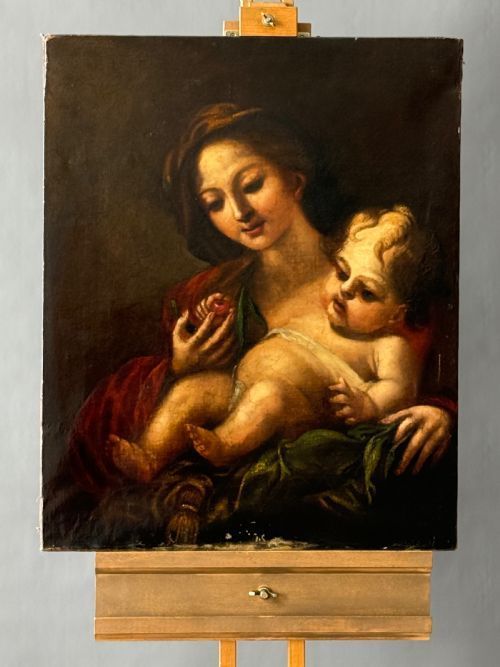
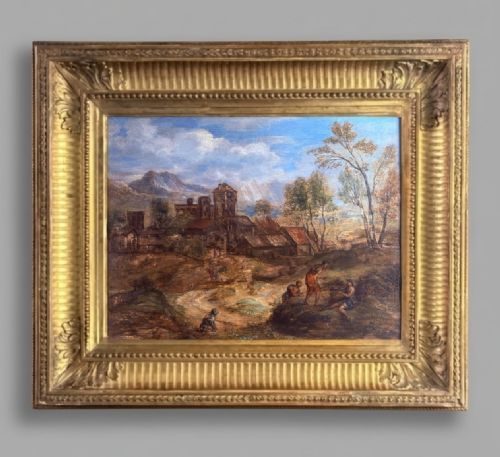
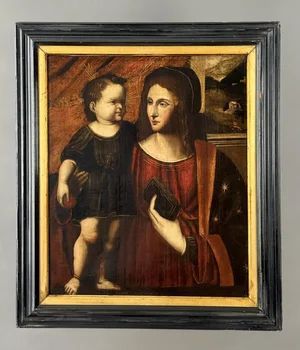
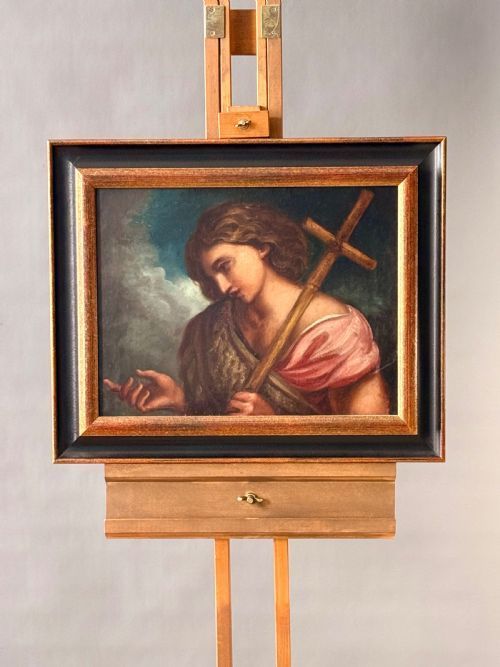
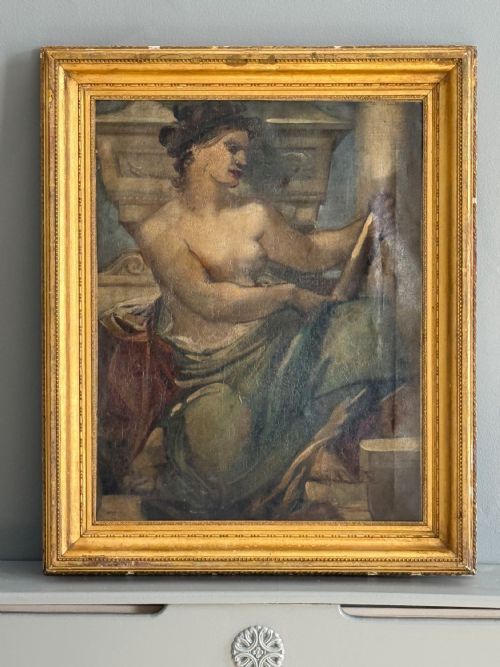
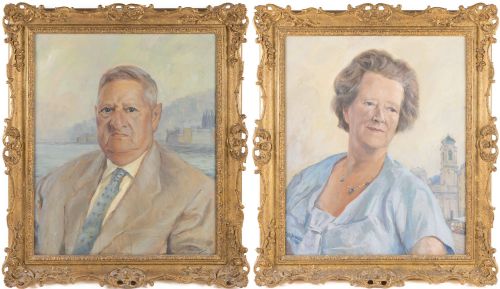
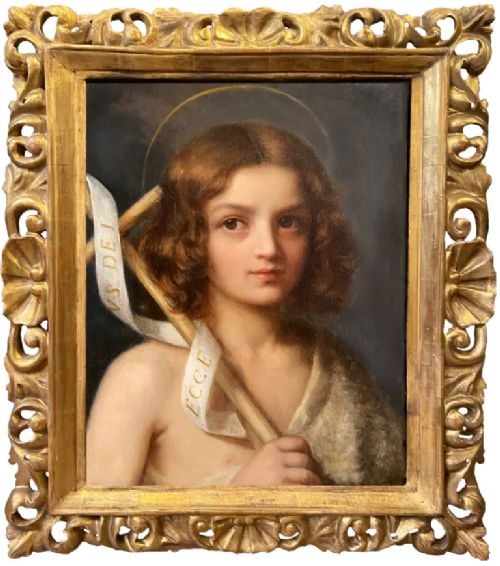
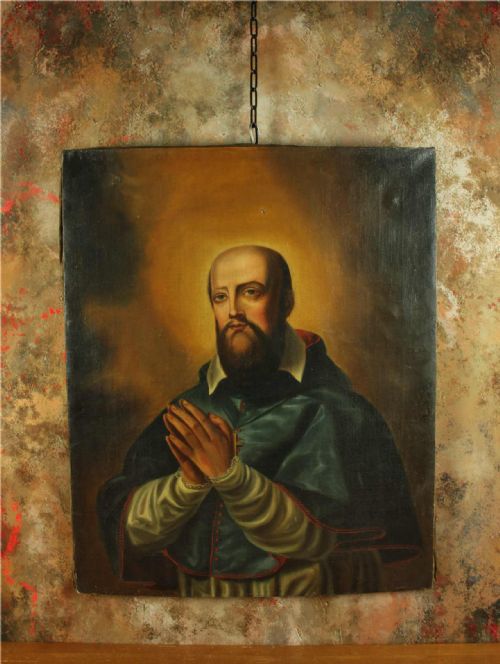
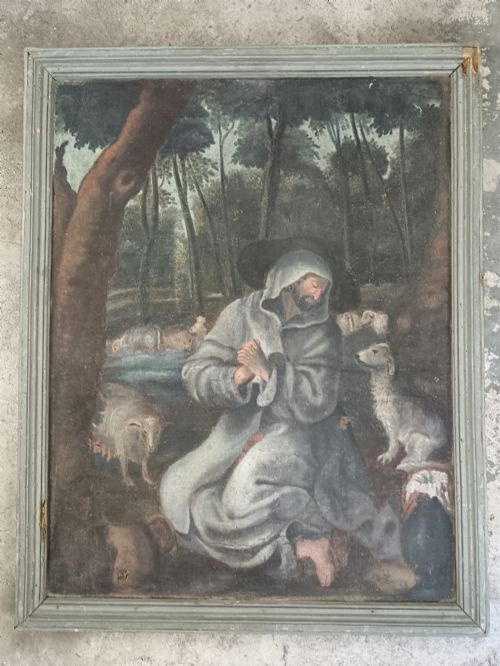
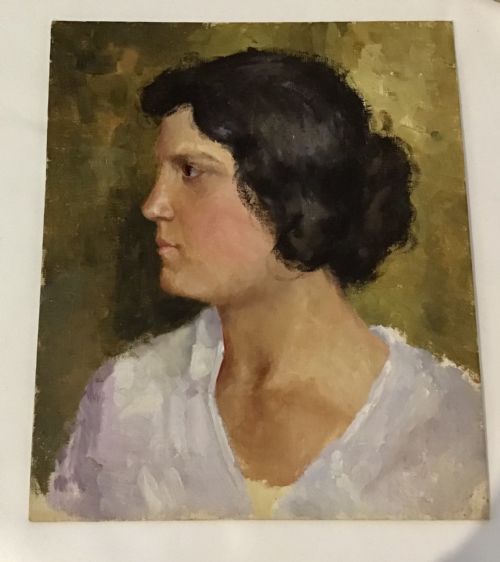
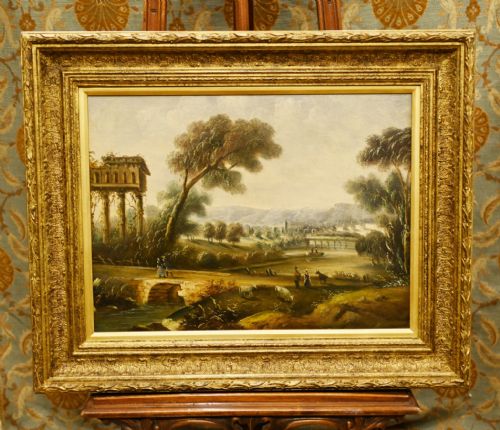
Italian school art encompasses historical paintings, watercolours, and drawings produced across Italy or by artists working within its regional traditions. When exploring this selection, buyers encounter works ranging from sixteenth-century religious compositions to nineteenth-century landscapes and portraits.
The material on this page frequently includes canvases, wooden panels, and gouache on paper, reflecting the diverse output of regional workshops and studios. Pieces span seventeenth-century Venetian and Romagnola traditions through to later Neapolitan coastal scenes and Renaissance revival works.
Materials and methods
Works in this category are principally executed in oil paint on canvas or wooden panel, utilising natural pigments bound in oil to build up rich tones and deep shadows. Gouache and watercolour on paper appear in landscapes and topographical views, particularly from the nineteenth century.
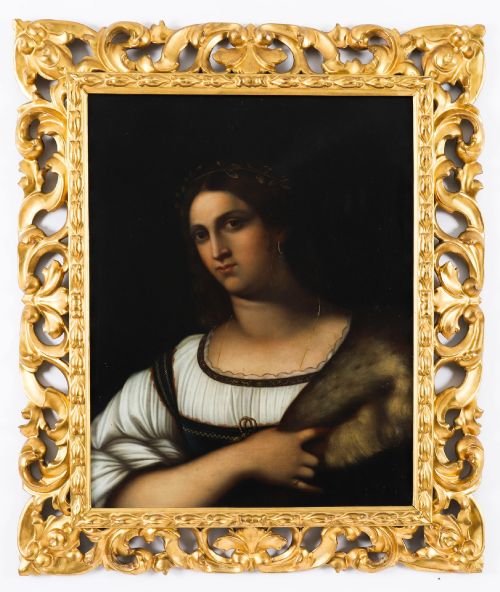
Framing often involves period details such as swept giltwood frames or gold leaf surrounds, which complement the traditional painting techniques. Preparatory media like red chalk on paper demonstrate the foundational draughtsmanship behind many classical compositions.
Italian School Art Retail Price Guide 2026
Typical asking prices for italian school art among the pieces listed under this phrase on Sellingantiques today, from the lower quarter to the upper quarter. They describe what is for sale here now, not the wider market.
Listings feature works spanning the sixteenth to the twentieth centuries, utilising oil, gouache, and red chalk on canvas, wood, and paper.
Judging quality
Quality rests upon the execution of the brushwork, the depth of composition, and the fidelity of the draughtsmanship within the regional tradition. Masterful handling of light and shadow, particularly in old master oils, separates accomplished studio pieces from simpler decorative works.
The presence of period frames and the clarity of historical attribution or provenance contribute significantly to a piece's standing. Pentimento, where an artist alters their composition during the painting process, adds an authentic layer of historical engagement.
Icilio Federico Joni·Fernando Del Basso·Vincenzo Irolli·Giulio Cecchini·Vittore Zanetti Zilla
The Italian School Art Glossary
- Pentimento
- A visible trace of an earlier painting, adjustment, or correction beneath the final layer of paint. This alteration shows the artist changing their mind during the creative process.
- Gouache
- An opaque water-based medium consisting of pigment, water, and a binding agent such as gum arabic. It produces a flat, matte finish often seen in nineteenth-century topographical views.
- Baroque
- An artistic style originating around the seventeenth century characterised by dramatic movement, deep colour, and intense chiaroscuro. It aimed to evoke emotional states through powerful visual contrasts.
- Tavolette
- Painted wooden panels, frequently used historically for book covers or small portable devotional artworks in Italian collections.
- Grand Tour
- A traditional trip of Europe undertaken by upper-class European young men of means during the eighteenth and nineteenth centuries. Travellers frequently collected local art and landscape views as souvenirs.
Italian School Art: Frequently Asked Questions
How do I identify a nineteenth-century landscape?
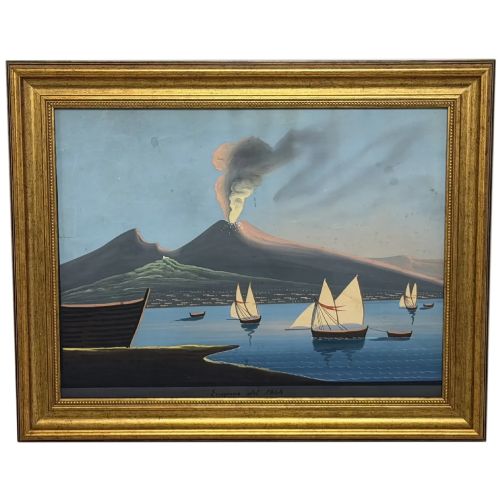
Nineteenth-century landscapes often depict recognizable Italian scenery such as Vesuvius, Naples, or the Roman Campagna, executed in oil or gouache on paper.
These pieces frequently capture the picturesque tastes of the Grand Tour era, showing softer palettes and atmospheric lighting compared to earlier religious works.
What does attribution to a school mean?
An attribution to a specific school, such as the Venetian or Emilian school, indicates that a work was produced in that region following its established artistic style and techniques.
It often suggests the artist trained within that local tradition or worked closely in the manner of its prominent masters.
How should I care for oil paintings on wood panel?
Oil paintings on wood panels require stable environmental conditions with minimal fluctuations in temperature and humidity to prevent the wood from warping or splitting.
Keep them away from direct sunlight and heat sources, and avoid using liquid cleaners on the painted surface or exposed wood.
What distinguishes Renaissance revival works?
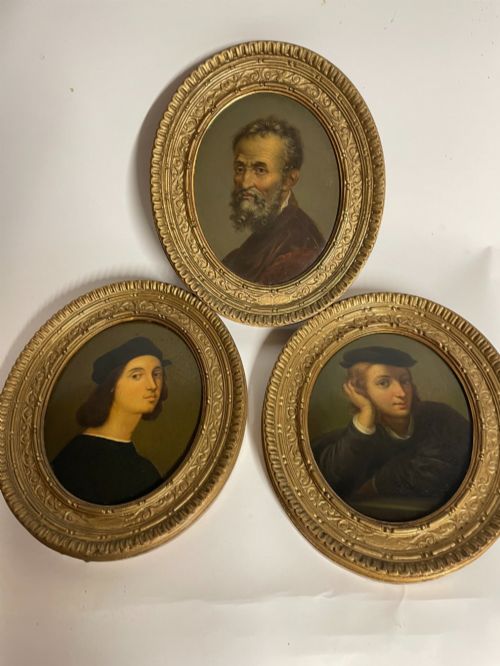
Renaissance revival pieces imitate the subjects, compositions, and techniques of fifteenth and sixteenth-century masters, though they were produced during later periods such as the nineteenth century.
They reflect a deliberate historical interest in earlier religious iconography, classical proportions, and devotional portraiture.