

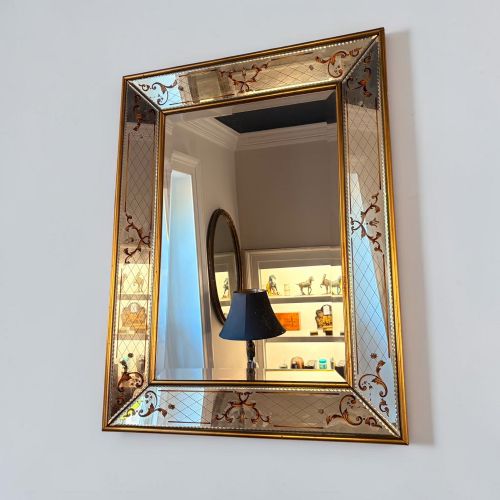
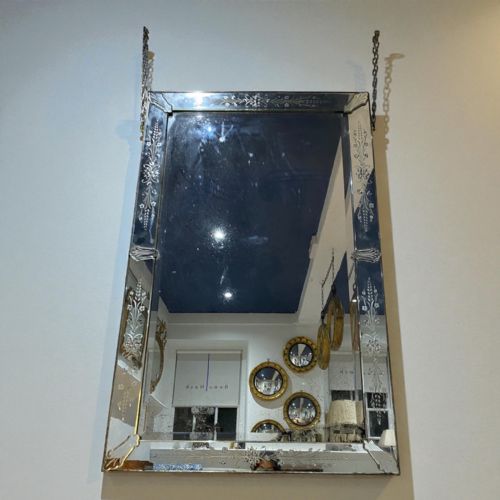
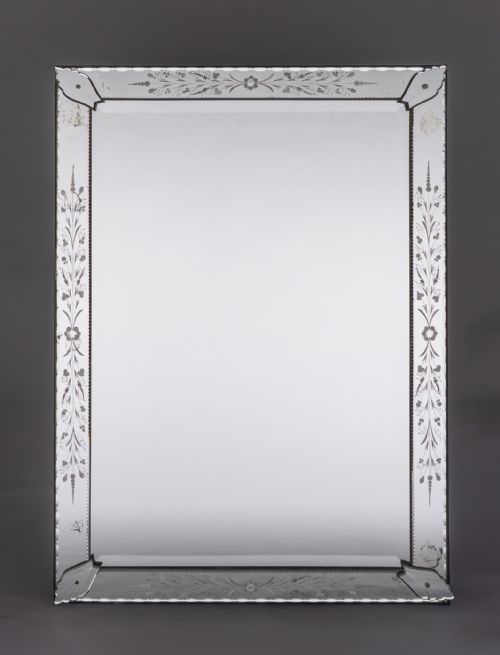
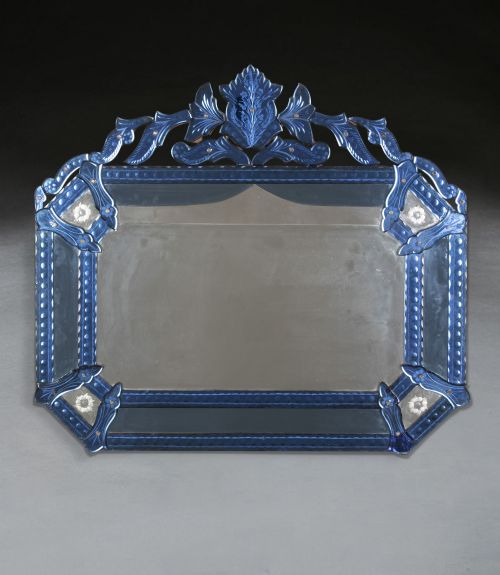


Italian Rectangular Mirror
An italian rectangular mirror brings immediate depth and light to a room, drawn from traditions spanning centuries of craftsmanship.
Italian Rectangular Mirror
An italian rectangular mirror draws the eye through classical proportions and striking surface work, functioning as a primary decorative anchor on any wall. These wall-mounted pieces range from restrained eighteenth-century examples to ornate nineteenth-century revivals and early twentieth-century interpretations.
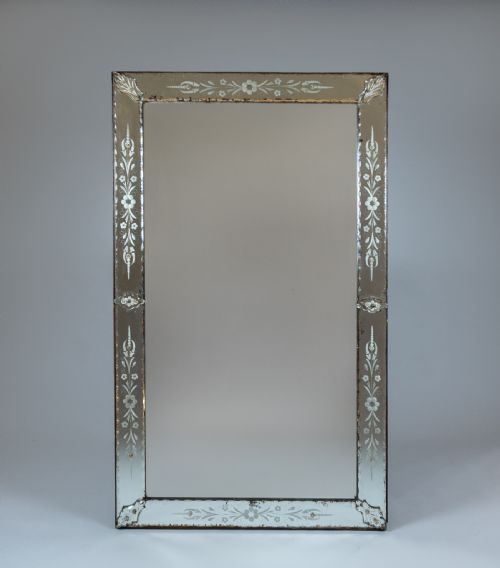
The selections available here showcase distinct regional characteristics, notably from Venetian and Florentine workshops. Buyers encounter forms embellished with blue glass, engraved details, painted highlights, and panelled borders.
Periods represented across these listings stretch from the eighteenth century through the nineteenth century and into the mid-twentieth century. The predominant formats include large overmantle mirrors, marginal mirrors, and cushion mirrors designed to reflect maximum light.
Materials and construction methods
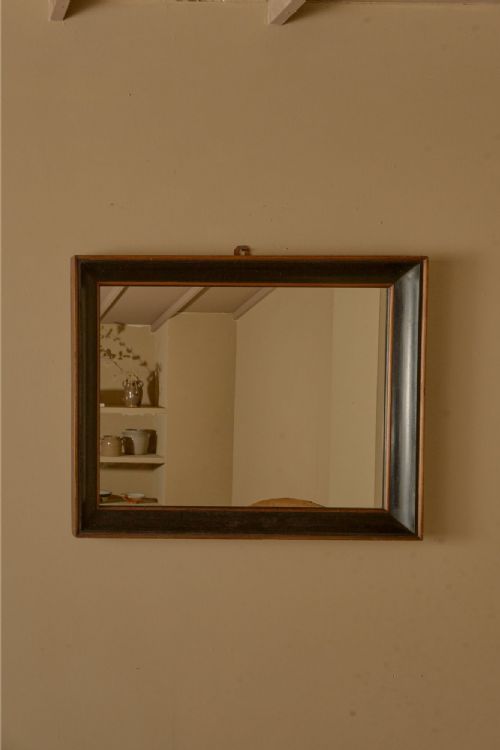
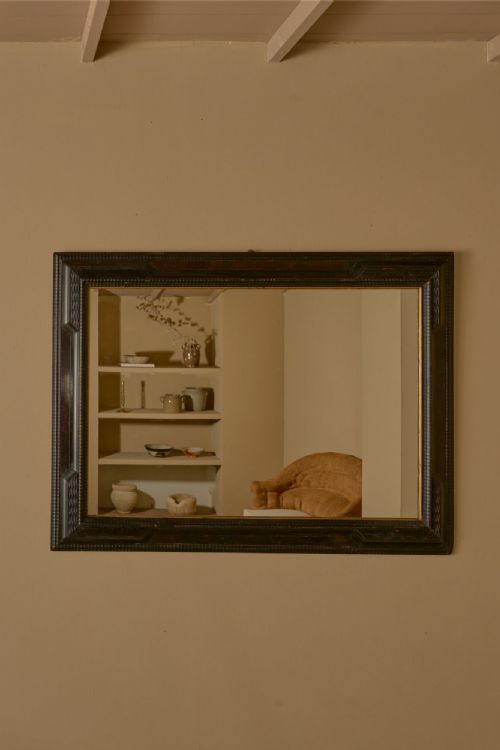
Makers shaped these pieces primarily using wood as a structural base, applying gesso to create smooth surfaces for intricate carving and gilding. Giltwood and ebonised finishes provide the foundational contrast seen in many nineteenth-century and earlier works.
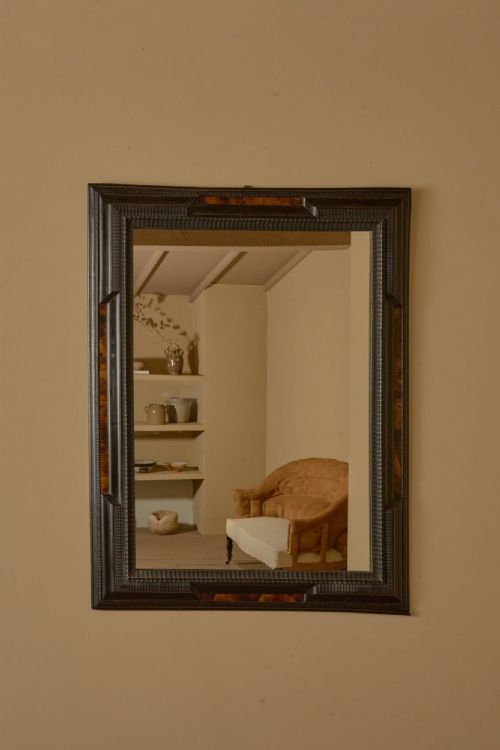
Mirrored glass and specialised sheet glass form the reflective planes, often featuring hand-engraved surface patterns or marginal panel borders. Faux tortoiseshell finishes and painted highlights add further depth to the wooden frames.
Italian Rectangular Mirror Retail Price Guide 2026
Typical asking prices for italian rectangular mirror among the pieces listed under this phrase on Sellingantiques today, from the lower quarter to the upper quarter. They describe what is for sale here now, not the wider market.
Some nineteenth-century makers mastered faux tortoiseshell finishes so convincingly that visitors reach out to touch the wooden grain.
Markers of distinction
Quality rests in the depth of hand-carving and the preservation of original gilding or ebonised surfaces. Pieces featuring complex marginal plates or detailed blue glass elements demonstrate a higher level of artisanal ambition.
The integrity of the wooden frame and the clarity of the original mirror glass indicate superior production standards. Finer examples maintain their original painted highlights and structural joints without heavy intervention.
The Italian Rectangular Mirror Glossary
- Giltwood
- Wood carved and coated with a thin layer of gold leaf or gilt. This finish defines many decorative Italian frames.
- Ebonised wood
- Timber treated to resemble ebony, creating a dark, polished surface. It provides stark contrast against gilded elements.
- Cushion mirror
- A mirror featuring a central plate surrounded by angled marginal plates that curve towards the wall. This design enhances reflection from multiple angles.
- Gesso
- A plaster-like mixture applied to wood surfaces as a base for gilding and fine detail work. It allows for sharp, crisp carving before finishing.
Italian Rectangular Mirror: Frequently Asked Questions
Where should I hang an italian rectangular mirror?
These pieces suit principal reception rooms, hallways, or above a fireplace mantel where they can draw in and reflect natural light. Their vertical or horizontal rectangular proportions allow them to anchor a wall arrangement effectively.
Ensure the wall fixings are rated to support the weight of the wooden frame and glass plate. Positioning the piece opposite a window maximises the illumination it brings into the space.
How do I identify a nineteenth century mirror?
Nineteenth-century examples often display revival styles such as Italian Baroque or Florentine carving alongside ebonised or faux tortoiseshell treatments. The construction techniques and patination of the materials offer clear indicators of this era.
Examination of the reverse and the mounting points reveals the age of the timber and assembly methods. The character of the glass plate further supports chronological attribution.
How do Venetian mirrors differ from Florentine ones?
Venetian mirrors frequently incorporate tinted glass, such as blue panels, and intricate glass engravings within the frame structure. They emphasise the reflective medium itself as the primary decoration.
Florentine mirrors typically showcase elaborate carved giltwood frames with deep relief work and organic motifs. The focus here lies in the sculptural quality of the gilded wooden surround.