


Italian Glass Lighting
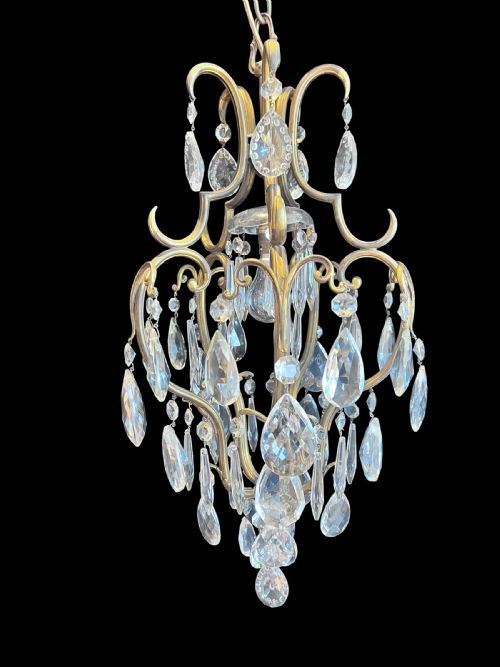
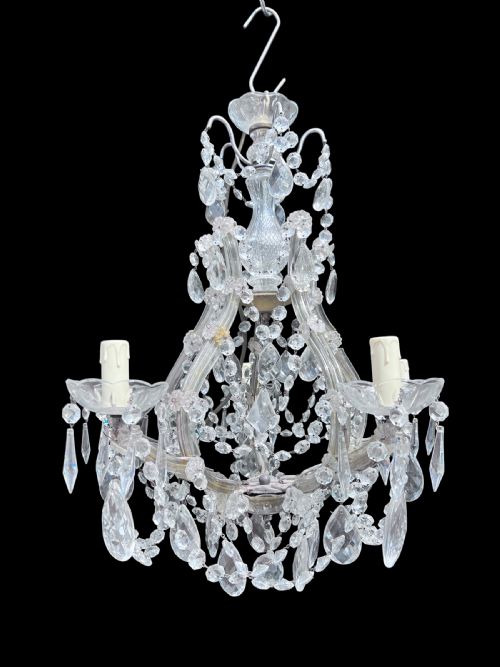
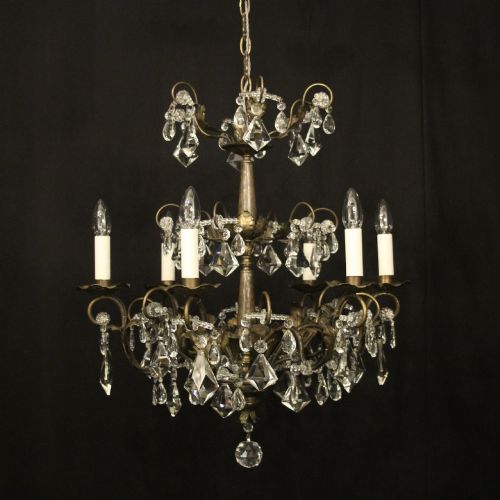
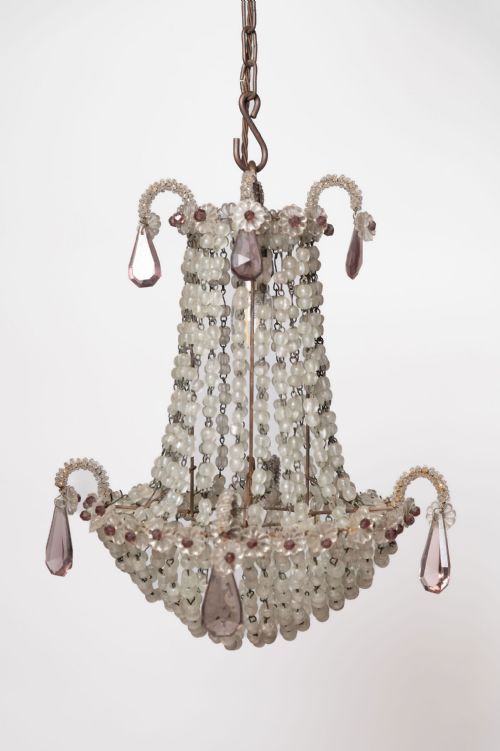
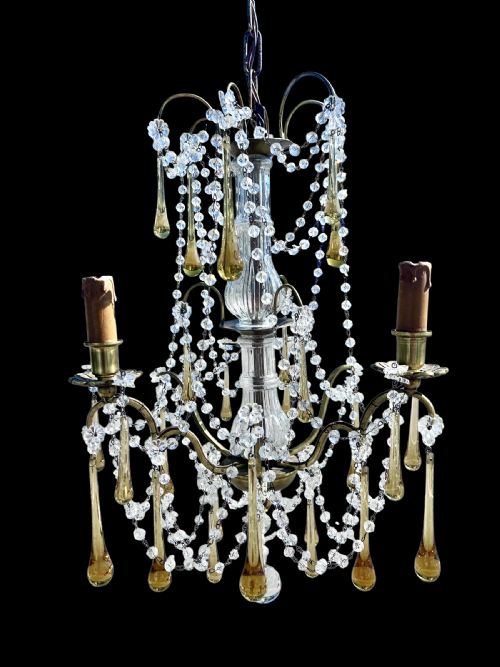
Italian glass lighting brings together chandeliers, wall lights, and table lamps framed in brass, crystal, and giltwood.
Italian Glass Lighting
When you search for italian glass lighting, you encounter chandeliers, wall lights, table lamps, ceiling lights, pendant lights, candelabras, girandole mirrors, and hanging lanterns. These pieces span periods from the eighteenth century through the Victorian era into the early twentieth century, including nineteen-twenty and nineteen-thirty.
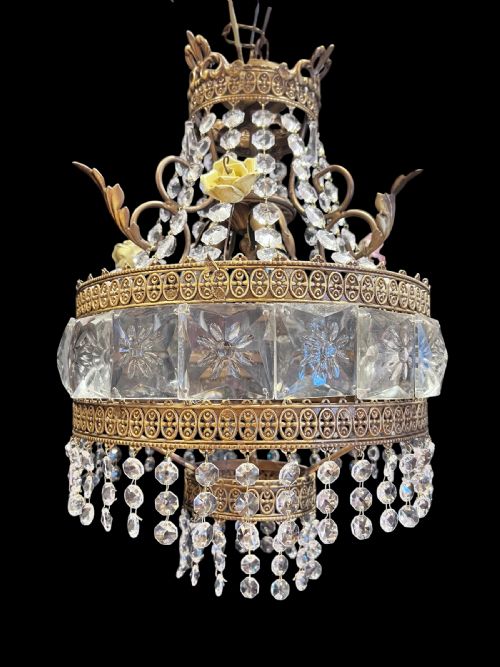
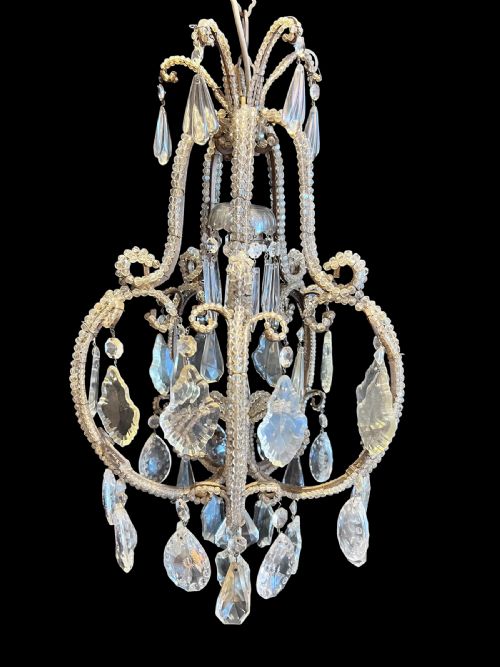
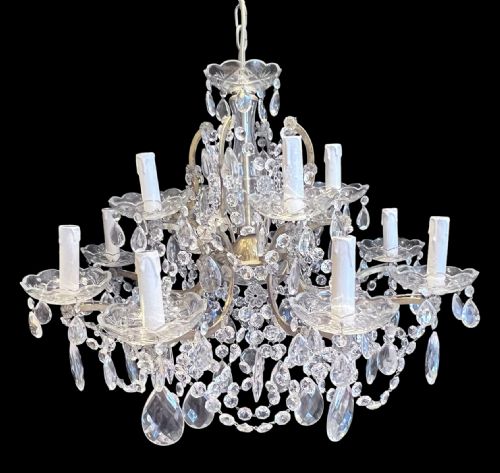
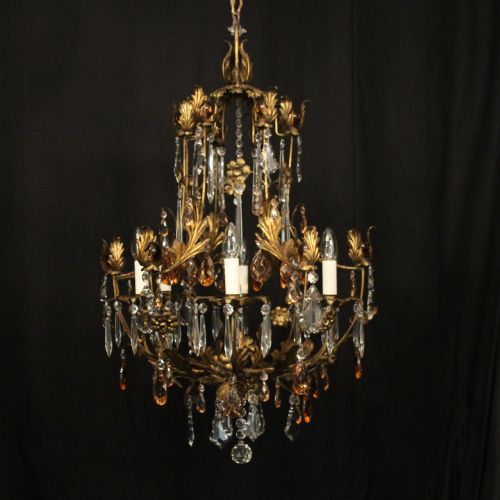
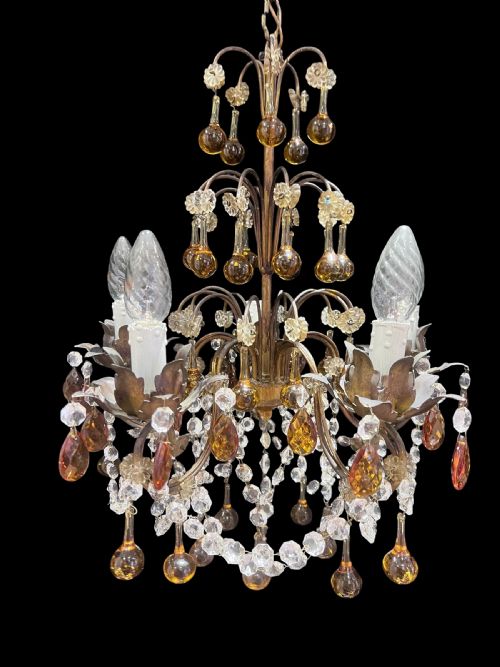
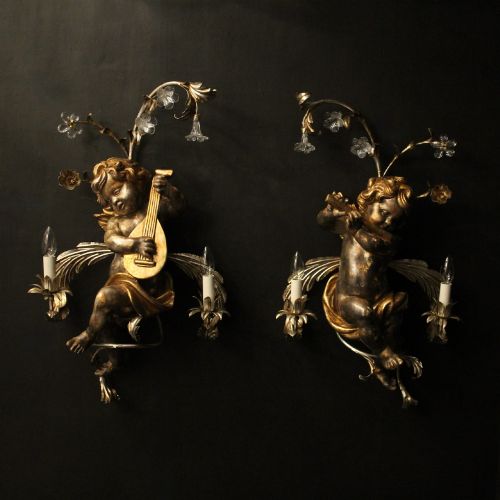
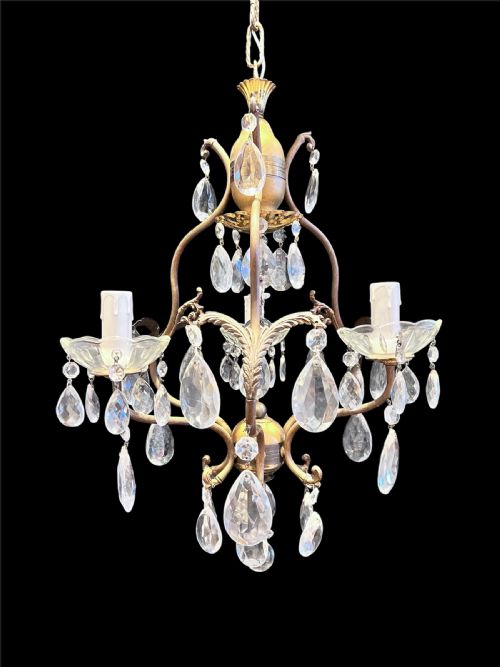
The most common forms on this page are multi-light chandeliers and wall lights drawing on styles such as Florentine, Venetian, Marie Theresa, Baroque, and Rococo. Many incorporate decorative elements like porcelain flowers, coloured crystals, beads, and glass fruit.
Makers and workshops in the evidence include Fratelli Toso alongside Murano glass production. Frames range from simple metal and wrought iron to gilt bronze, gilded brass, and carved giltwood.
Materials and construction
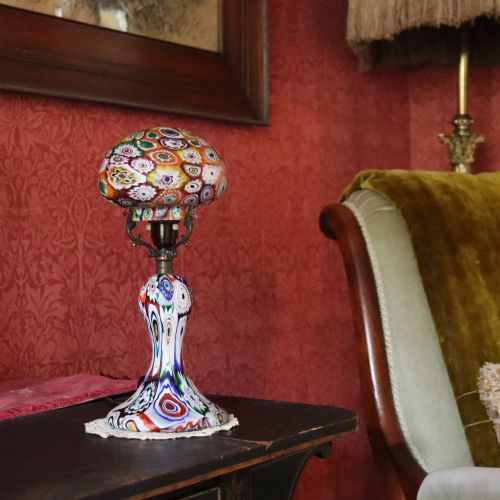
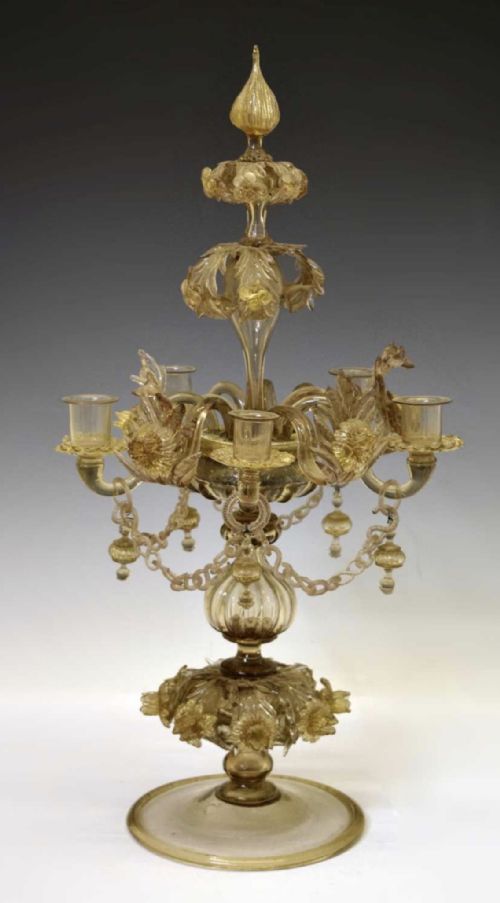
Glass and crystal form the primary visual components, often shaped into beads, drops, flowers, and fruit such as grapes, apples, and pears. Murano glass techniques yield millefiori patterns, purple caged pendants, and delicate lampwork.
Supporting structures combine brass, gilt metal, iron, and carved giltwood. Frames are pinned or wired together to hold multiple light branches, ranging from single light configurations up to twenty-four lights on large double-tiered chandeliers.
Several chandeliers and lamps come laden with glass apples, grapes, and pears rather than standard crystal drops.
Evaluating quality and craftsmanship
Quality rests on the complexity of the glasswork and the integrity of the metal or wooden frame. Pieces featuring hand-formed Murano elements, intricate beadwork, and dense crystal drops demonstrate higher artisanal skill than simpler cast fixtures.
The harmony between the glass components and the supporting giltwood, bronze, or brass armature determines the overall presence of the fixture. Substantial multi-tiered frames require precise engineering to support heavy crystal and glass ornamentation.
Fratelli Toso
The Italian Glass Lighting Glossary
- Millefiori
- Glasswork produced by heating glass canes and slicing them to reveal multicoloured floral patterns.
- Marie Theresa
- A chandelier style characterised by flat metal arms covered in glass strips and secured with rosette pins.
- Florentine
- A decorative style associated with ornate carved giltwood, floral motifs, and layered branching structures.
- Girandole
- A branched wall light or mirror fitted with candle holders that reflect light off glass and crystal.
- Campana
- An urn-shaped vessel often utilised as a decorative base for table lamps.
Italian Glass Lighting: Frequently Asked Questions
What periods do these lights come from?
The pieces span several centuries, with examples originating from the eighteenth century, the Victorian period, and the early twentieth century including nineteen-ten, nineteen-twenty, and nineteen-thirty.
Most surviving examples date from the early twentieth century, reflecting the output of Italian glassworks and workshops during that era.
How do I identify a Venetian chandelier?
Venetian chandeliers typically feature blown glass components, intricate floral details, and curving arms shaped by master glassblowers in Murano.
They often incorporate coloured glass elements, caged pendants, or millefiori techniques distinct from standard cast metal fixtures.
What distinguishes Marie Theresa chandeliers?
Marie Theresa chandeliers feature flat metal straps or bands covered entirely by flat glass plates and secured with glass rosettes.
This construction method conceals the underlying metal armature while creating a glittering surface that reflects ambient light.