


Italian Giltwood Light Fitting
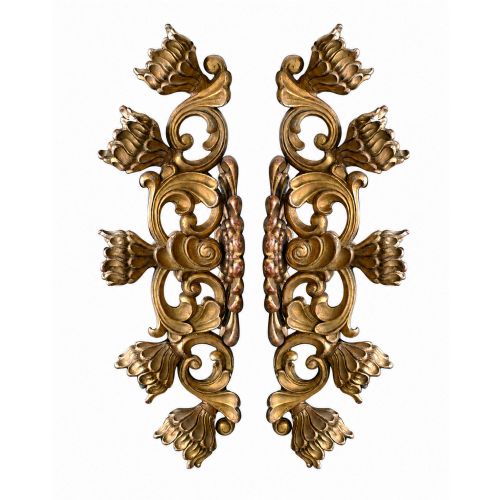
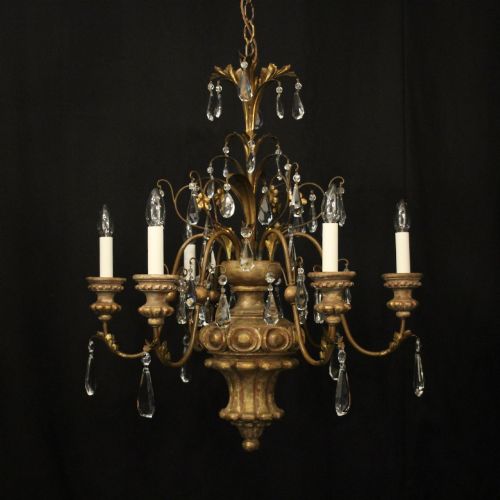
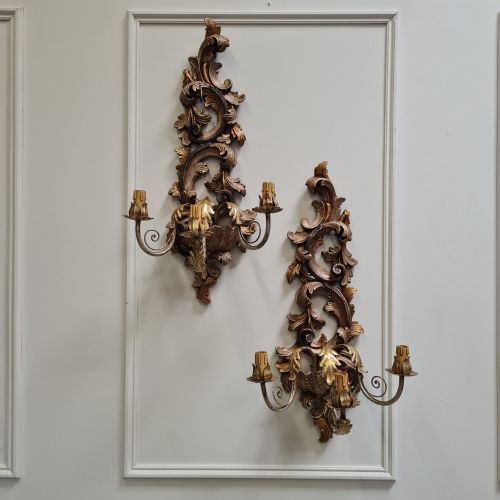
These Italian giltwood light fitting pieces bring sculptural warmth and historic presence to a room, cast in carved timber and finished in gold leaf.

Italian Giltwood Light Fitting
An italian giltwood light fitting encompasses carved wooden chandeliers, wall lights, hanging lanterns, ceiling lights, and standard lamps originating from Italy. The selection spans centuries from the eighteenth century through the nineteenth century and into the early twentieth century.
The aesthetic leans heavily towards Florentine and Baroque traditions, alongside Rococo Revival and Neoclassical styles. Chandeliers range from triple-light configurations up to substantial twelve-light fixtures, often paired with matching wall lights.
Wooden frames carved by hand form the core structure of these objects. Giltwood, gesso, pine, and gold leaf dominate the physical material record, sometimes combined with metal, glass, and toleware.
How they were made
Artisans carved pine and other timbers by hand before applying layers of gesso to create a smooth surface for gilding. Gold leaf was then carefully laid over the prepared wooden base to achieve a brilliant metallic sheen.
Some pieces integrate ebonised elements alongside the gold leaf to create high contrast within the carved wooden structure. Iron or other metals often form the internal structural supports necessary to bear the weight of larger multi-light chandeliers and hanging lanterns.
Materials recorded across these objects include carved wood, pine, gesso, gold leaf, ebonised timber, metal, glass, and toleware.
What varies in quality
The depth and fluidity of the hand-carved ornamentation separate exceptional pieces from simpler utilitarian examples. Crisp botanical motifs, scrollwork, and structural symmetry reflect superior craftsmanship in the underlying woodwork.
The application and preservation of the gold leaf and gesso layer dictate the visual richness of the surface. Surviving original gilding with authentic patination holds greater aesthetic coherence than later overpainting or poor restoration.
The Italian Giltwood Light Fitting Glossary
- Giltwood
- Wood that has been covered with a thin layer of gold leaf or gold paint. This technique protects the timber underneath while providing a luminous surface.
- Gesso
- A plaster mixture applied to carved wood to create a smooth ground for gilding. It allows for crisp detail work before the gold leaf is laid down.
- Toleware
- Painted or lacquered metalware used in decorative objects and light fittings. It often introduces contrasting colour and texture alongside carved wood.
- Ebonised
- Wood finished to resemble ebony, typically through dark staining or painting. This technique creates a striking visual contrast against bright gold leaf.
Italian Giltwood Light Fitting: Frequently Asked Questions
How do I clean an antique giltwood chandelier?
Dust the carved wooden surfaces very gently using a soft dry brush to protect the delicate gold leaf layer. Avoid liquid cleaners or chemical polishes which can strip away historic gilding and damage the gesso beneath.
For intricate areas where dust settles, compressed air held at a safe distance works well. Regular gentle maintenance preserves the original surface finish without abrasive rubbing.
Can these antique light fittings use modern wiring?
Most antique Italian light fittings require professional rewiring to meet modern electrical safety standards before installation. Qualified electricians can usually adapt internal channels or add discreet wiring without altering the exterior wooden structure.
Consult a specialist who understands historic fixtures to ensure the weight of the chandelier or wall light is safely supported by the ceiling or wall.
What is the difference between Florentine and Baroque styles?
Florentine design often emphasises rich surface carving, floral motifs, and specific regional aesthetics tied to Tuscan workshops. Baroque styles incorporate grander theatrical curves, dynamic movement, and heavier architectural presence.
Many pieces blend these traditions, showing regional Italian craftsmanship adapted to changing tastes across the eighteenth and nineteenth centuries.
How do I date an antique giltwood light fitting?
Dating relies on examining the tool marks in the carved wood, the composition of the gesso, and the wear patterns on the gold leaf. Stylistic cues such as Neoclassical symmetry versus Rococo asymmetry also point toward specific decades or centuries.
Comparing construction methods with documented examples from periods like the nineteenth century helps confirm the likely era of manufacture.