


Vintage Gold Pendant Light
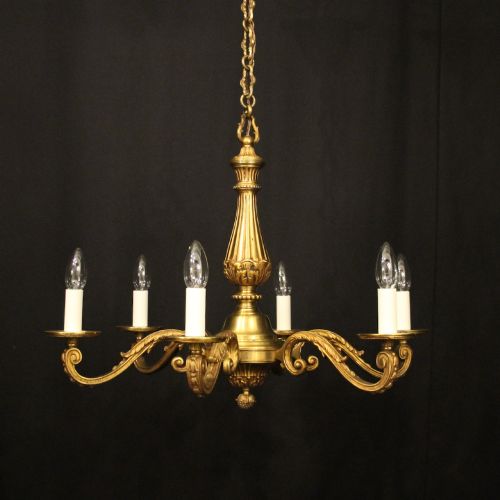
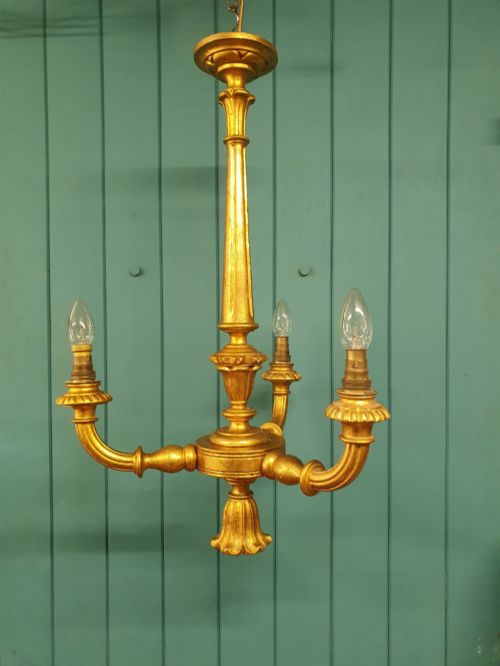
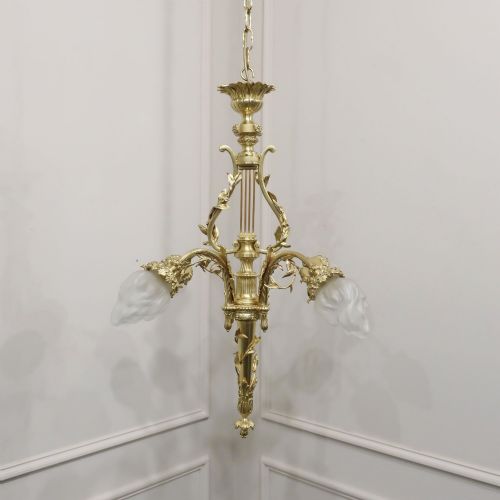
A vintage gold pendant light brings warmth and metallic sheen to a room through hanging illumination.

Vintage Gold Pendant Light
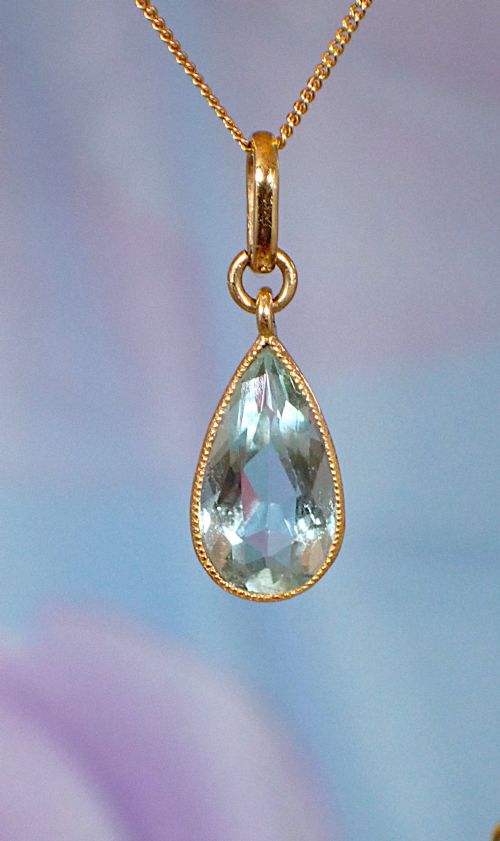
A vintage gold pendant light search encounters hanging ceiling fixtures and occasionally gold necklaces set with stones from the nineteenth and early twentieth centuries.
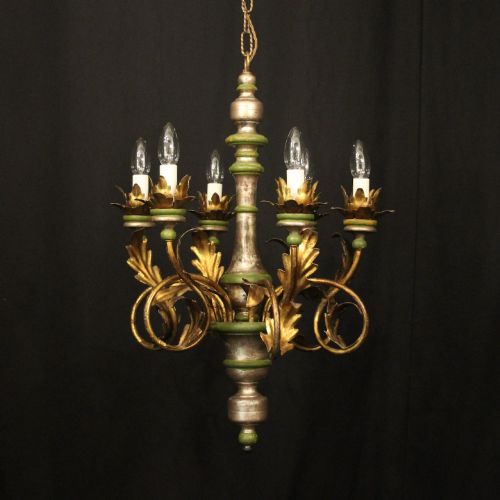
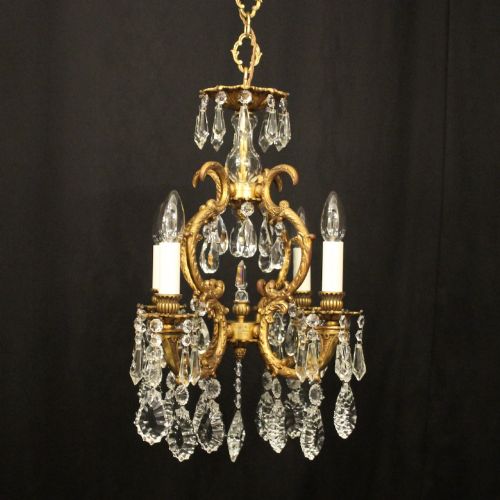
The selection ranges from French chateau chandeliers and Italian Florentine designs to Edwardian gold pendants featuring aquamarine, topaz, and pearls.
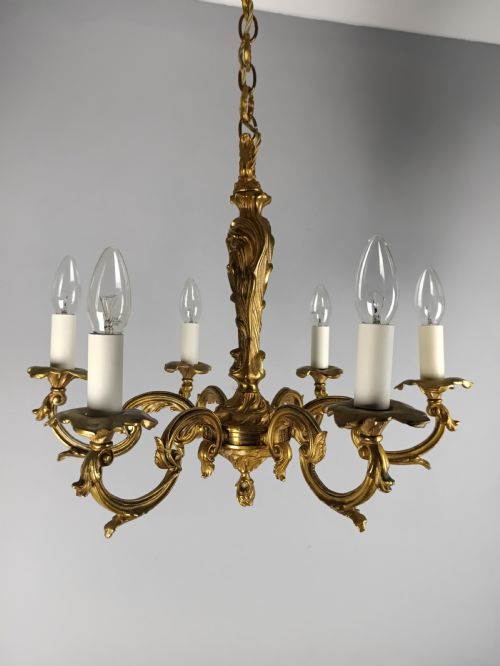
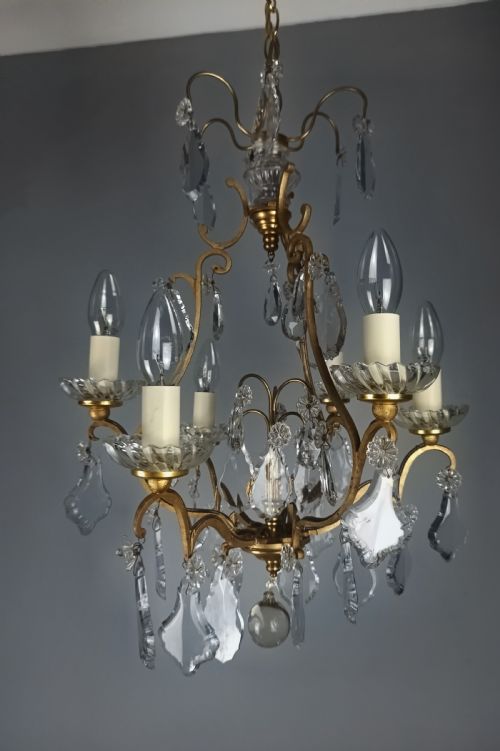
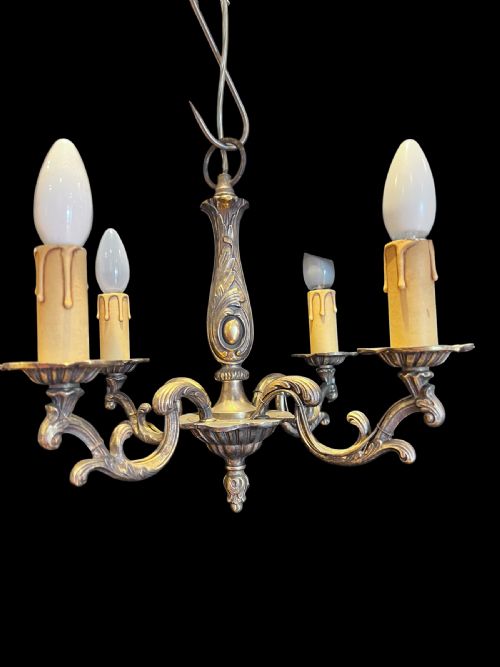
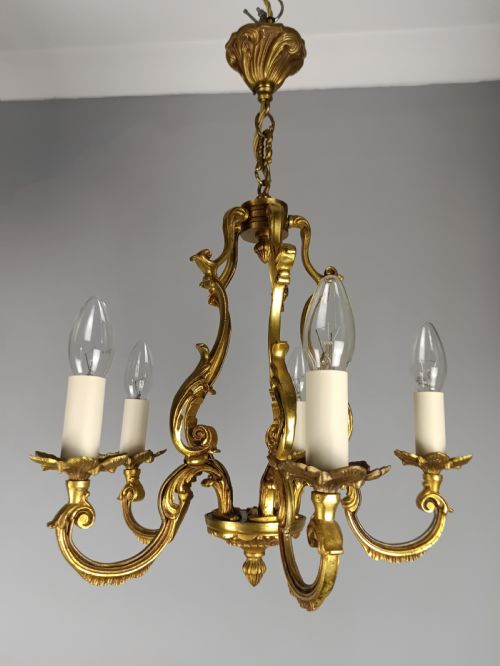
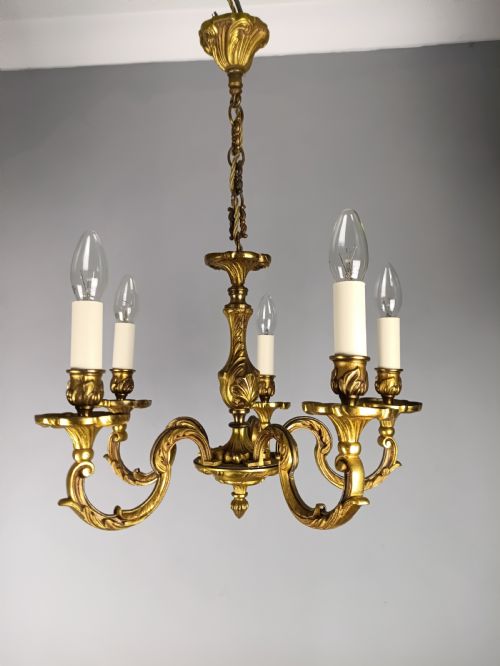
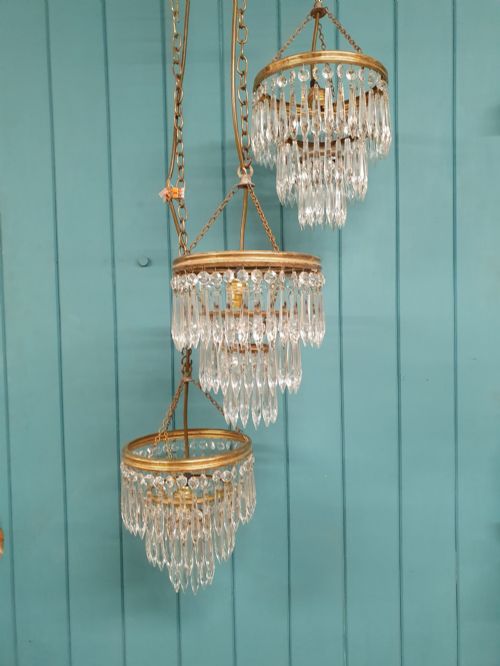
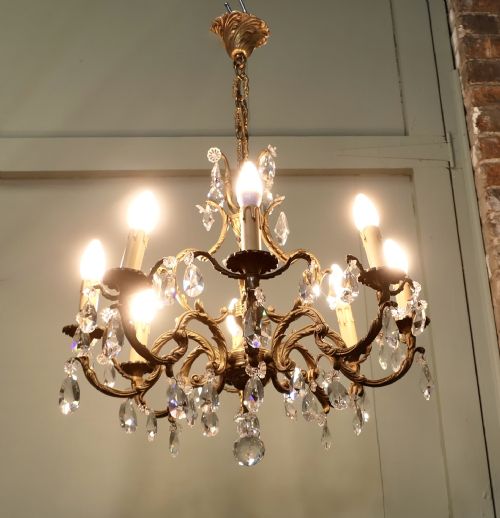
Lighting forms span multi-bulb chandeliers, hall lanterns, and spike chandeliers hung with crystal lustres.
How they were made
Metalwork utilises cast brass, gilt bronze, gilt metal, and gilded bronze to provide the golden framework.
Glass and crystal elements, including cut spikes and lustres, combine with these golden metals to catch and reflect illumination.
Selected jewellery pieces employ nine-carat gold alongside coloured gemstones and pearls.
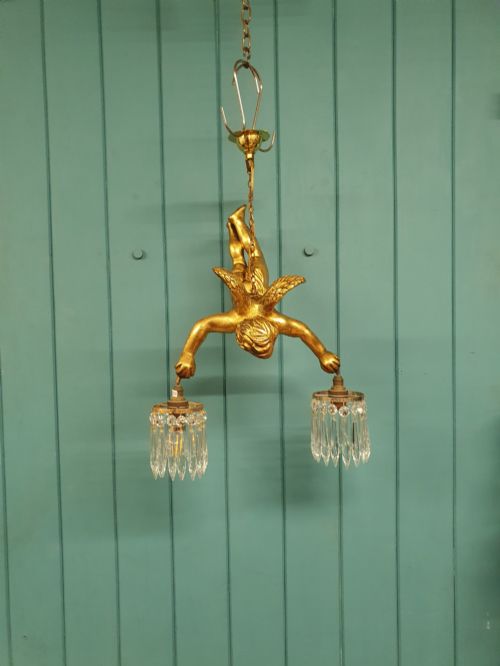
Golden winged cherubs dangle mid-flight from multiple nineteenth-century ceiling fixtures.
What varies in quality
The definition of casting work and the crispness of chased details separate standard examples from finer sculptural pieces involving winged cherubs or floral motifs.
The clarity and cut of the crystal components, alongside the depth of the gilding on the bronze or brass, dictate the overall presence of the fixture.
The Vintage Gold Pendant Light Glossary
- Gilt bronze
- Bronze coated with a layer of gold. This material provides durability and a rich golden surface finish.
- Crystal
- High-clarity glass containing lead oxide. It refracts light sharply into spectral colours.
- Tent and waterfall
- A chandelier configuration featuring an upper tent of beads dropping to a wider waterfall tier. This style creates a cascading effect of crystal.
- Hall lantern
- An enclosed hanging light fixture designed for entrance spaces. These often feature glass panels set within a brass or gilt frame.
- Spike chandelier
- A ceiling light characterised by sharp crystal drops or spikes arranged radially. It reflects the decorative tendencies of the early twentieth century.
Vintage Gold Pendant Light: Frequently Asked Questions
Where do these chandeliers hang best?
These fixtures suit high-ceilinged hallways, dining rooms, and reception spaces where their hanging drop commands the room. Their golden metal tones coordinate with traditional architectural details.
Smaller lantern forms work effectively in entrance vestibules or landings, providing focused downward illumination while maintaining period character.
How do I date a gold pendant light?
Dating relies on stylistic markers such as neoclassical motifs, rococo curves, or the simpler geometries of early twentieth-century production. Examining the casting technique and metal composition also assists in placing the piece within the nineteenth or twentieth century.
Jewellery pendants carry hallmarks on the nine-carat gold mounts that confirm the exact period of manufacture.
Are these lights wired for modern electricity?
Many surviving antique and vintage fixtures have been adapted for modern electrical standards during their lifetime. Rewiring often occurs to ensure safe operation in contemporary homes.
Buyers should inspect the internal wiring and consult a qualified electrician to confirm compatibility with current household circuits.
What is the difference between bronze and brass fixtures?
Bronze is an alloy of copper and tin, whereas brass combines copper and zinc. Bronze typically allows for sharper cast details in sculptural elements like cherubs and floral mounts.
Brass fixtures often present a slightly brighter golden tone and frequently appear in Edwardian and early twentieth-century designs.