



Italian Furniture Pair
An italian furniture pair brings symmetrical elegance to a room, uniting centuries of craftsmanship in walnut, giltwood and marble.
Italian Furniture Pair
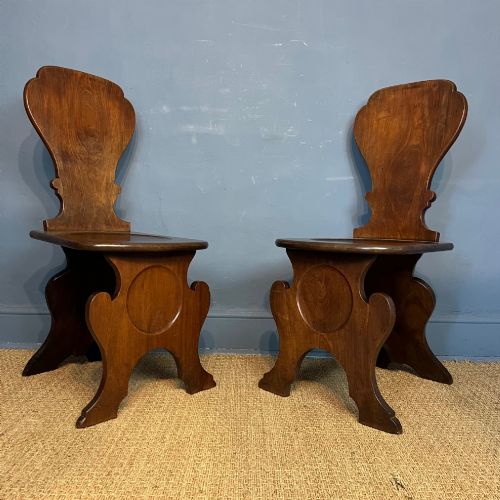
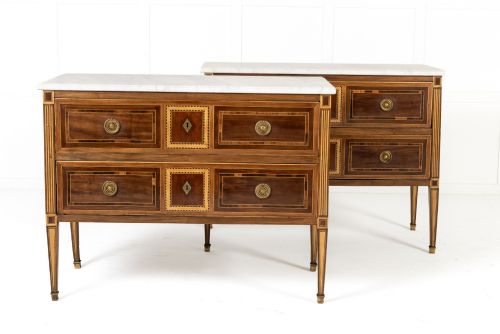
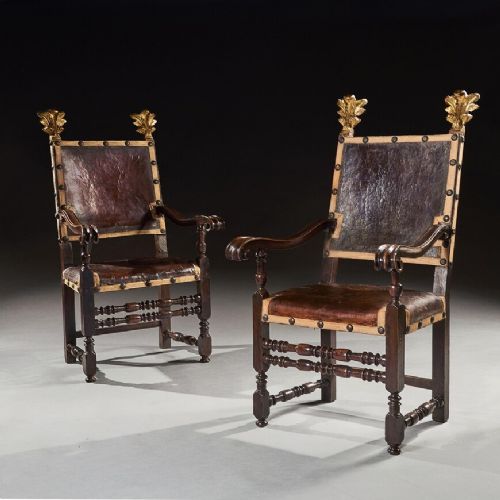
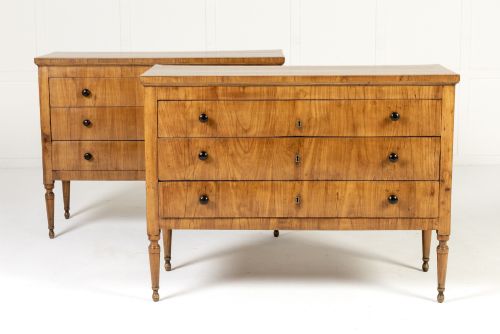
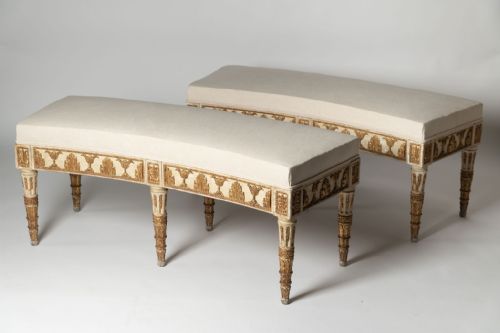
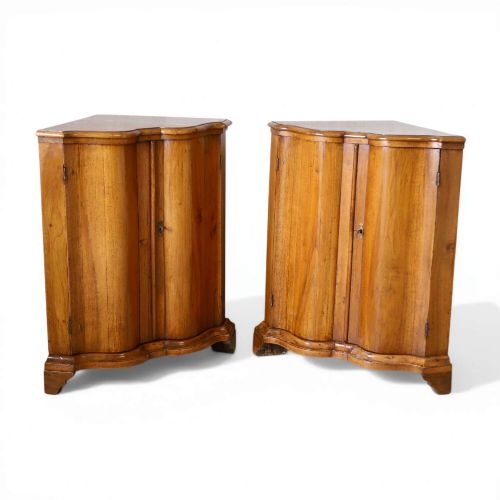
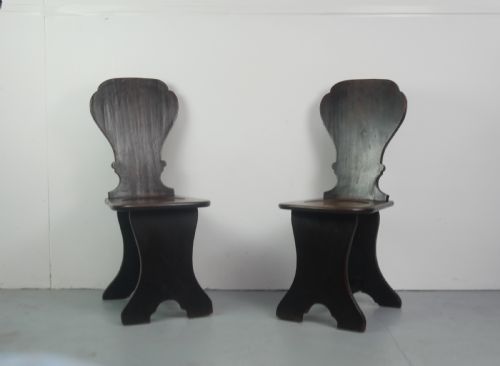
An italian furniture pair comprises matching pieces designed for symmetry, most frequently encountered as console tables, armchairs, chests of drawers and hall chairs spanning the seventeenth to the nineteenth centuries.
The selection ranges from seventeenth-century baroque walnut armchairs and eighteenth-century neoclassical inlaid commodes to nineteenth-century revival console tables with marble tops.
These items originate from various Italian regions and workshops, reflecting distinct stylistic evolutions from the Renaissance revival through to late nineteenth-century interpretations.
Materials and construction methods
Cabinetmakers and carvers utilised dense hardwoods such as walnut, cherrywood, mahogany and kingwood, frequently enhanced with burr veneers and inlaid details.
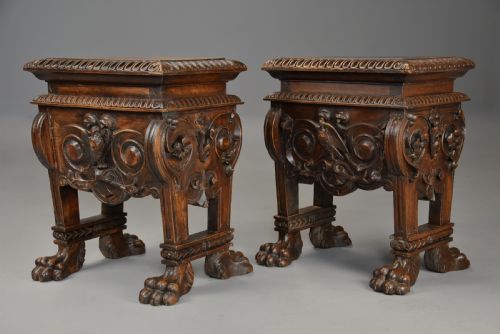
Surface ornamentation involved intricate hand-carving, parcel-gilding, silvering, gesso work and application of gold leaf, alongside specialised stonework including pietra dura and breccia marble tops.
Italian Furniture Pair Retail Price Guide 2026
Typical asking prices for italian furniture pair among the pieces listed under this phrase on Sellingantiques today, from the lower quarter to the upper quarter. They describe what is for sale here now, not the wider market.
Listings feature walnut, mahogany, cherrywood, and kingwood timbers paired with marble and giltwood.
Assessing craftsmanship and execution
The distinction between ordinary production and superior work rests on the crispness of hand-carved details, the selection of figured timbers like burr walnut, and the integrity of original giltwood or silvered surfaces.
Matching elements within a pair require consistent grain alignment, harmonious proportions, and authentic period joinery that demonstrates the maker's mastery.
White Allom Co·Henry Thomas Peters
The Italian Furniture Pair Glossary
- Commode
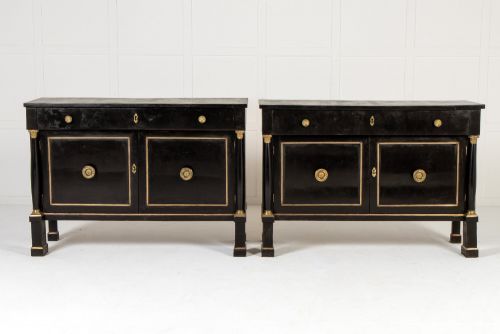
- A low chest of drawers or cabinet standing on legs, highly popular in eighteenth-century Italian interiors for storage and display.
- Console table
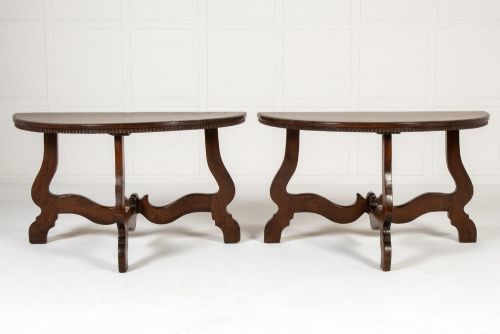
- A wall-mounted or freestanding table supported by decorative legs or brackets, frequently topped with marble.
- Torchere
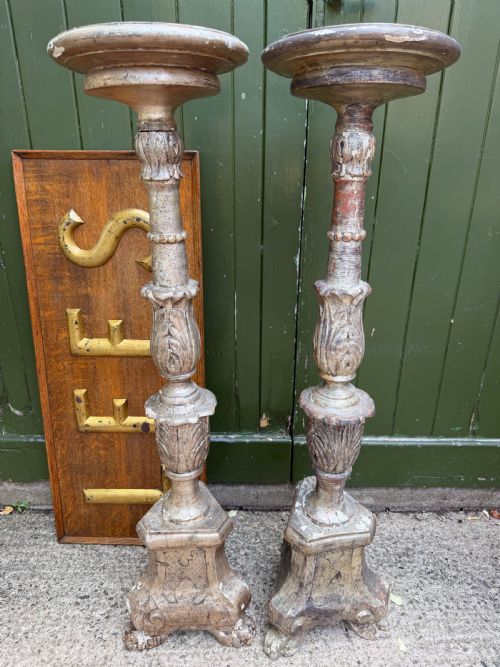
- A tall stand designed to hold a candle or lamp, often richly carved and gilded.
- Sgabello
- A type of fifteenth- to seventeenth-century wooden chair with a solid back and trestle supports, commonly used in halls.
- Pietra dura
- An artistic technique using cut and fitted polished coloured stones to create geometric or figurative designs on cabinet surfaces.
Italian Furniture Pair: Frequently Asked Questions
How do I place an italian furniture pair in a modern room?
Symmetrical placement works best when matching pieces frame a fireplace, window, or large mirror. This arrangement brings formal balance to contemporary living spaces.
Allow sufficient breathing room around console tables or armchairs so the carved wood and marble tops remain focal points rather than appearing crowded.
What is the difference between baroque and neoclassical pairs?
Baroque pieces display exuberant carved details, twisting columns, and dramatic giltwood surfaces designed to project grandeur and movement. They belong primarily to the seventeenth and early eighteenth centuries.
Neoclassical designs shift toward restrained straight lines, symmetry, and classical motifs like urns and floral marquetry, reflecting an eighteenth-century return to ancient proportions.
How do I care for antique walnut and giltwood surfaces?
Keep wooden surfaces away from direct sunlight and steady heat sources to prevent timber shrinkage and veneer cracking. Use a soft, dry cloth for regular dusting.
Avoid commercial polishes containing silicone, which build up over time and dull the original patina. Giltwood requires particularly gentle dusting to protect the delicate gold leaf layer.
How can I tell if a pair is genuinely matching from the period?
Examine the timber grain, tool marks, and construction techniques across both items to ensure they share the same workshop origin. True period pairs exhibit identical ageing and wear patterns.
Minor discrepancies in hand-carved details are normal in antique pieces, but overall dimensions and joinery methods must correspond precisely.