



Italian Fine Art Canvas
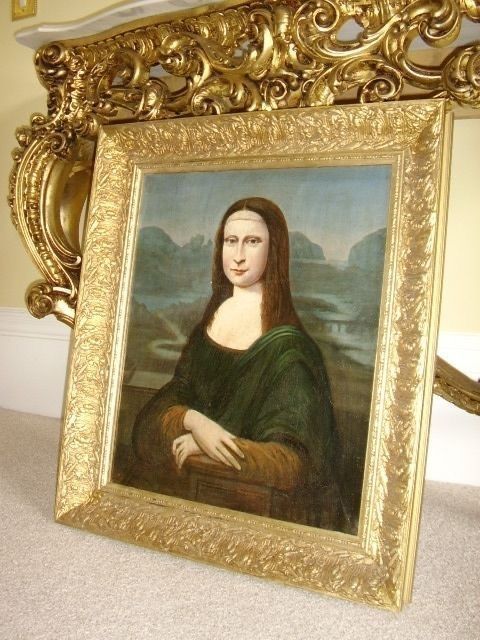
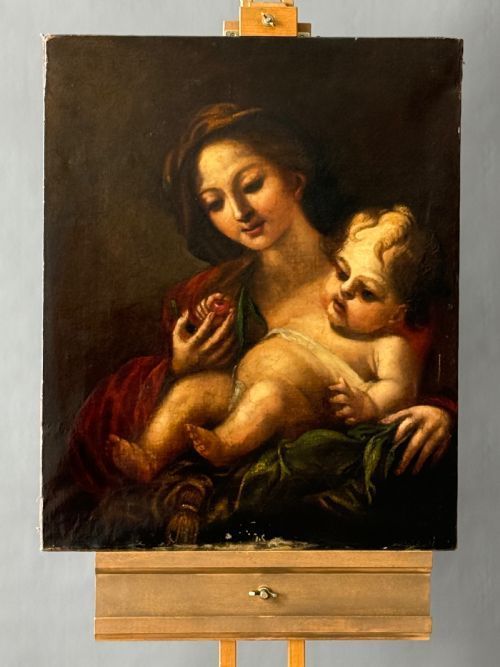
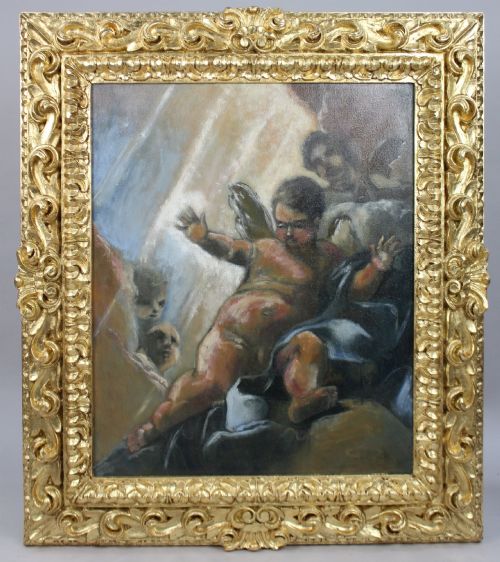
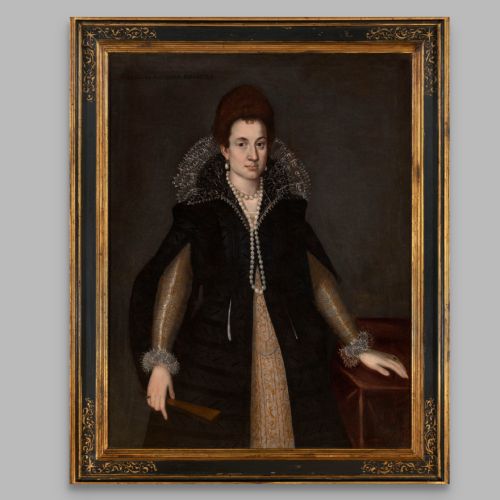
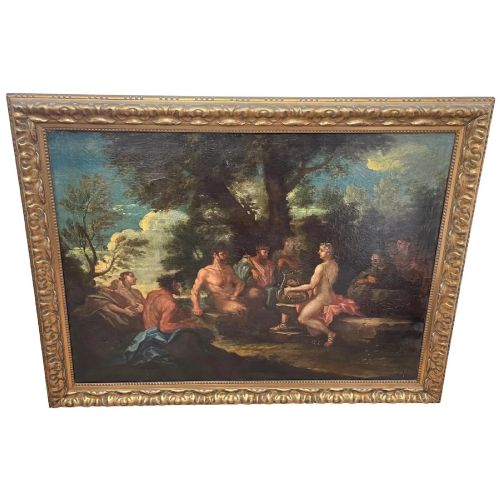
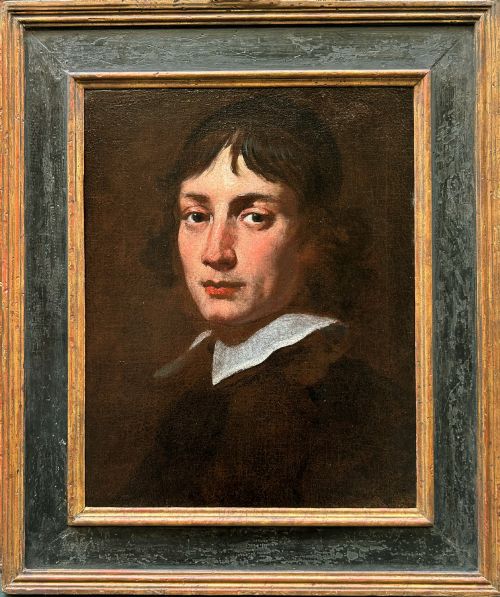
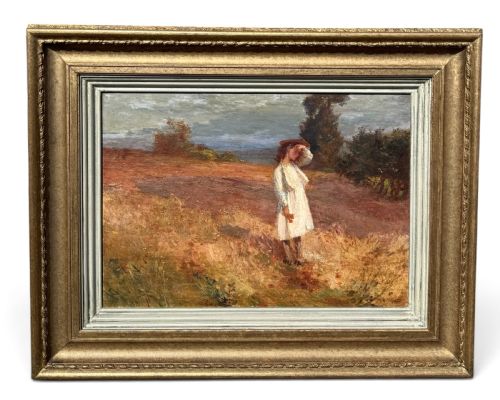
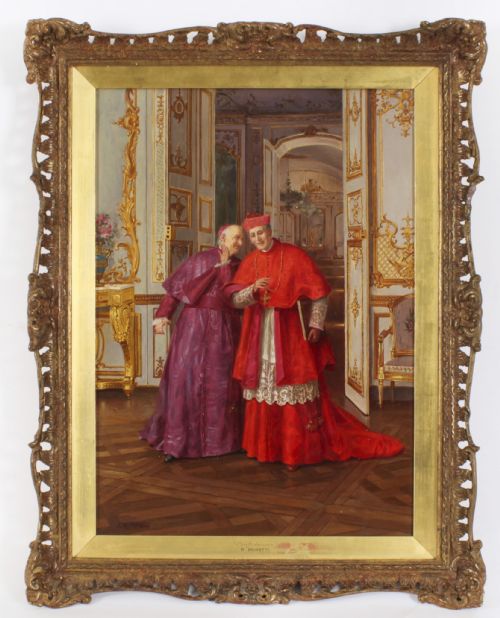
Italian fine art canvas works encompass centuries of oil paintings and portraits framed in carved wood, carrying the rich heritage of classical European ateliers.
How They Were Made
Artists built these works using oil paint applied to a stretched canvas support. This technique allowed for subtle blending of tones and rich saturation of colour across both grand landscapes and small portrait studies.
Many of the surviving pieces retain their original wooden stretchers and are housed within hand-carved giltwood or plain wooden frames. The application of gold leaf to the frames added a luminous border that complemented the dark, dramatic lighting typical of the period.
What Varies in Quality
The visual impact of an oil painting often depends on the handling of light and shadow, particularly in works influenced by the Baroque tradition. Masterful brushwork brings depth to drapery, skin tones, and architectural details, whereas lesser studio copies can appear flat and formulaic.
Condition and originality dictate the standing of a canvas within its period. Works that retain their untouched seventeenth or eighteenth-century surface alongside period carved frames command greater attention than those with extensive later repaint or altered supports.
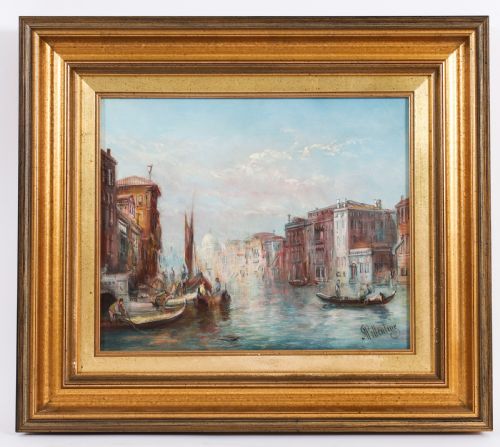
Several canvases capture bustling historic scenes of Venice, proving that tourists have loved taking pictures of Italian gondolas for centuries.
Dumini Leopoldo·Pietro Fachetti·Alfred Pollentine·Guillaume Courtois·Umberto Volpato·Renato Moretti·Vincenzo Irolli·Giulio Cecchini·Evaristo Cappelli·Luca Postiglione·August Heinrich Riedell·Bartolomeo Schedoni·Jane Vivian·Raffaello Sanzio·Consalvo Carelli·Giovanni Battista Moroni·Francesco Albani·Guido Reni·Andrea Celesti·Roberto Venturi·Willem Johannes Martens·Karel Frans Philippeau·Carlo Ferranti·Giacomo Nani
The Italian Fine Art Canvas Glossary
- Oil on Canvas
- A painting medium where pigments are bound with drying oils and applied to a woven fabric support. This combination allowed artists greater flexibility and richer colour blending than earlier wooden panel painting.
- Old Master
- A term used to describe European artists of high skill working before about eighteen hundred. These painters often trained through rigorous workshop apprenticeships.
- Giltwood
- Wood that has been coated with a thin layer of gold leaf or powder. It was widely used for ornate picture frames during the seventeenth and eighteenth centuries.
- Genre Scene
- A painting depicting aspects of everyday life, such as market scenes or domestic interiors. These works focus on ordinary people rather than historical or mythological events.
- Baroque
- An artistic style originating around sixteen hundred, characterised by exaggerated motion and clear detail used to produce drama. Painters in this tradition utilised deep shadows and strong light contrasts.
Italian Fine Art Canvas: Frequently Asked Questions
How do I care for an old oil painting?
Keep the canvas away from direct sunlight and steady humidity levels to prevent the paint from cracking or warping.
Dust the surface gently with a dry, soft brush and avoid using any liquid cleaners or chemical solvents.
What is a townscape painting?
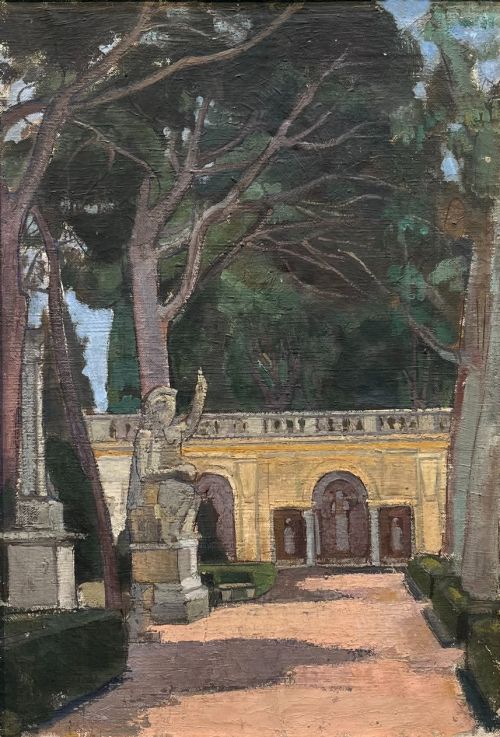
A townscape is an artistic work that depicts urban architecture, streets, canals, and civic landmarks. Nineteenth-century artists frequently painted views of Venice and Rome for visiting travellers.
These works provide a visual record of historic European cities as they appeared centuries ago.
How are different art periods identified?
Experts look at the painting technique, costume details, framing styles, and the preparation of the canvas itself. Stylistic clues often link a work to specific regional schools or master followers.
Documentation, signatures, and historical attribution records further help narrow down the date of creation.
Were these paintings always framed?
Frames were an essential part of presenting fine art, often chosen to complement the visual depth of the canvas. Many antique paintings retain their original carved giltwood surrounds.
Original frames can sometimes provide valuable clues about the age and geographic origin of the artwork.