



Italian Decorative Pottery
Italian decorative pottery brings colourful tin-glazed earthenware and painted majolica into your home, offering centuries of regional artistry and vibrant table displays.
Italian Decorative Pottery
When you search for italian decorative pottery, you encounter a rich mix of tin-glazed earthenware and ceramic objects spanning from the eighteenth century into the early twentieth century. These pieces encompass large wall chargers, table lamps, vases, flasks, jugs, and decorative figurines.
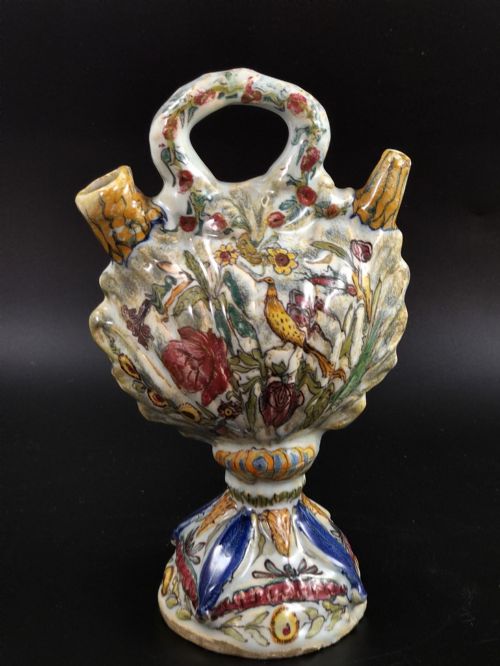
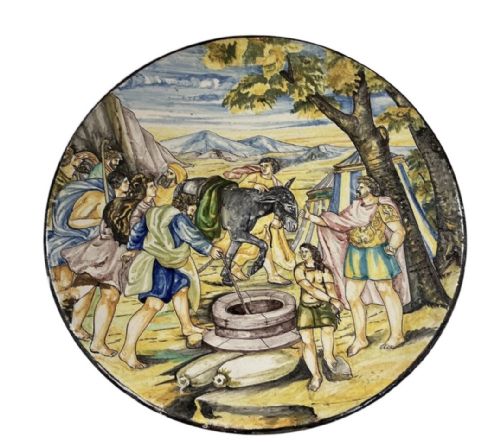
The versions you are most likely to meet on this page include nineteenth-century chargers in the Urbino style and Renaissance Revival works. Eighteenth-century polychrome pilgrim flasks and pieces featuring Italian Baroque influences also appear among the selections.
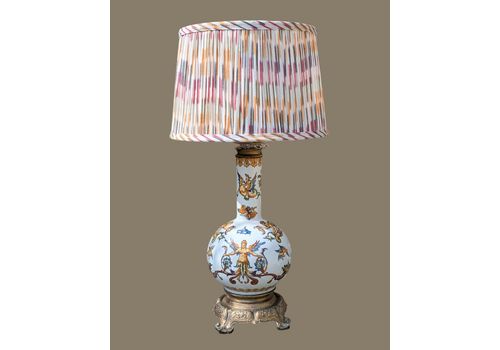
Form and function intertwine closely in this category, moving from vessels designed for display like wall chargers to transformed items such as nineteenth-century table lamps. Makers also produced sculptural animal figures, notably pairs of ceramic dogs.
Materials and construction
Makers utilised earthenware and ceramic bases as the foundation for tin-glazed pieces, applying opaque tin glazes to create a smooth white surface suitable for painting. Artisans then hand-painted intricate polychrome designs directly onto the unfired glaze.
Certain objects incorporate secondary materials such as brass fittings on table lamps and fabric elements. Potters working in regional workshops during the late nineteenth and early twentieth centuries continued these traditional ceramic methods.
Italian Decorative Pottery Retail Price Guide 2026
Typical asking prices for italian decorative pottery among the pieces listed under this phrase on Sellingantiques today, from the lower quarter to the upper quarter. They describe what is for sale here now, not the wider market.
The listings feature earthenware, ceramic, and tin-glazed earthenware materials spanning the eighteenth, nineteenth, and early twentieth centuries.
Assessing quality in the pieces
The refinement of the hand-painted brushwork separates standard workshop output from exceptional examples of italian decorative pottery. Superior pieces display confident, detailed polychrome decoration that draws on Renaissance Revival or traditional Urbino motifs with great clarity.
The complexity of the form also dictates quality, as large-scale wall chargers and intricate scallop-shell pilgrim flasks demand greater technical skill during the firing and glazing process than simpler vessels.
Cantagalli Florence·Gallilleo Chini·Bassano pottery works
The Italian Decorative Pottery Glossary
- Majolica
- Tin-glazed earthenware produced in Italy, typically featuring colourful painted decoration. This tradition dates back centuries and remains central to Italian ceramic history.
- Charger
- A large decorative plate intended for display on a wall or dresser rather than for dining use. These pieces often showcase narrative or ornamental painted scenes.
- Pilgrim Flask
- A flat-sided vessel with handles, originally designed for travellers to carry liquids. In decorative pottery, forms like the scallop-shell pilgrim flask became purely ornamental.
- Renaissance Revival
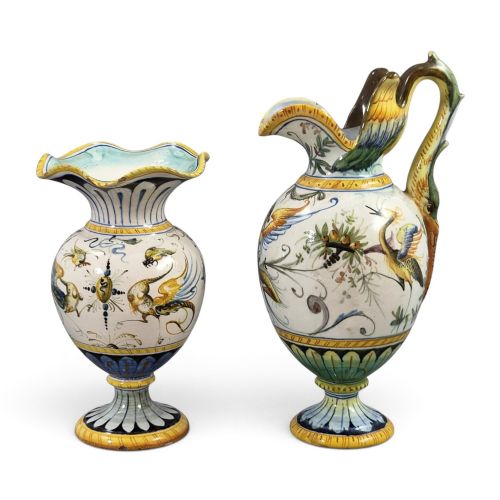
- An artistic movement during the nineteenth century that drew inspiration from sixteenth-century styles. Makers utilised these historical motifs to create elaborately painted ewers, vases, and chargers.
- Polychrome
- Decoration employing multiple colours on a single ceramic surface. Artisans applied various metallic oxide pigments to achieve this vibrant palette.
Italian Decorative Pottery: Frequently Asked Questions
What is italian decorative pottery?
It encompasses tin-glazed earthenware, ceramics, and majolica objects created in Italy across multiple centuries. These items range from wall chargers and vases to sculptural figures and lamps.
The category highlights regional painting traditions, spanning from eighteenth-century polychrome wares to nineteenth-century Renaissance Revival pieces and early twentieth-century creations.
How were wall chargers used?
Wall chargers served primarily as decorative display items in grand interiors rather than utilitarian tableware. Their large surfaces allowed artists to paint complex historical, floral, or figurative scenes.
Owners typically hung them on walls or mounted them on credenzas to showcase wealth, taste, and an appreciation for traditional craftsmanship.
How do I display these pieces?
Large wall chargers look best mounted securely on neutral walls where their polychrome glaze and painted details can command attention. Vases, flasks, and figures suit placement on sturdy mantelpieces, sideboards, or occasional tables.
Keeping them away from direct foot traffic and busy edges protects their ceramic bodies and hand-painted surfaces from accidental knocks.
How can I tell the period?
Distinguishing periods relies on examining the painting style, glaze characteristics, and specific ceramic forms. Eighteenth-century pieces often display distinct polychrome palettes, while nineteenth-century works frequently adopt Renaissance Revival or Urbino styles.
Twentieth-century items, such as those from nineteen-ten or nineteen-twenty, may incorporate Art Nouveau influences or bear specific workshop attributions on the base.