



Italian Cityscape Wall Art
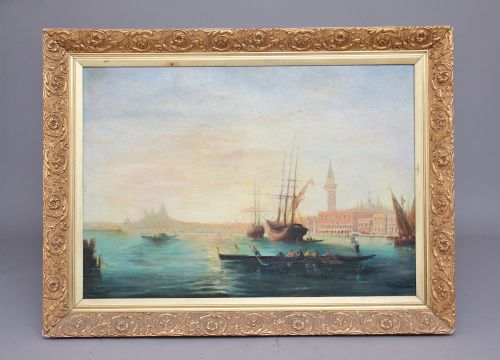
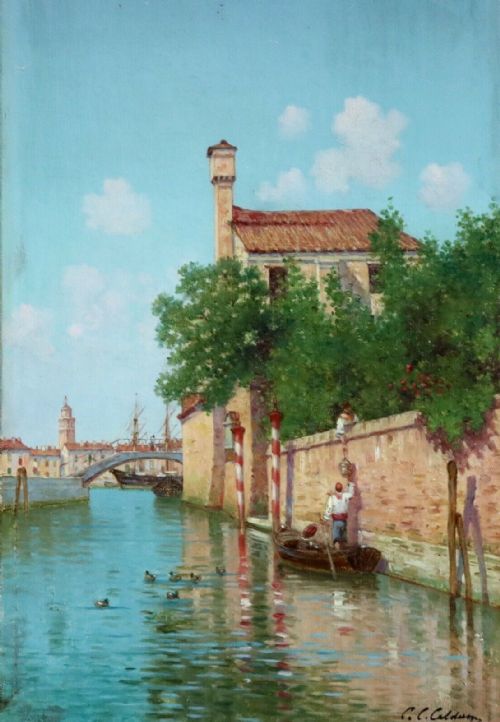
These Italian cityscape wall art pieces capture classic views of Venice and other historic scenes, offering a tangible piece of European travel history for your home.
Italian Cityscape Wall Art
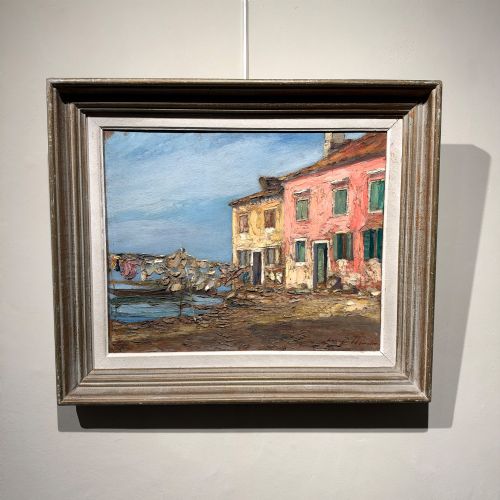
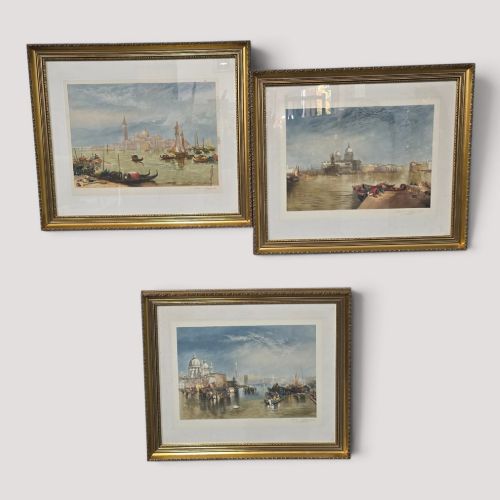
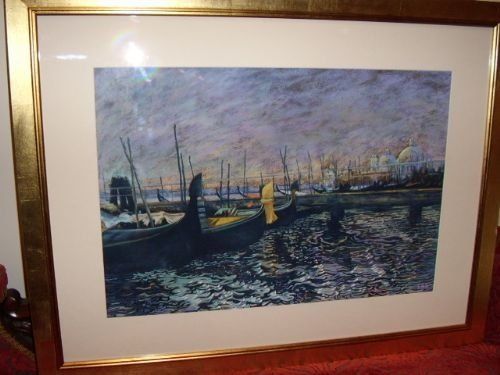
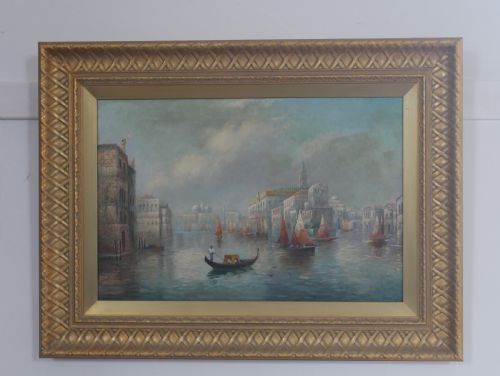
When you search for Italian cityscape wall art, you encounter framed paintings and works on paper depicting lagoons, canals, and historic buildings. These works range from Victorian watercolours to mid-century expressions, recording urban views through different artistic lenses.
The most common subjects on this page are Venetian views, including the Grand Canal, the Doge's Palace, and the lagoon. Artists focus on iconic architectural landmarks, presenting townscapes and canal scenes from the nineteenth and twentieth centuries.
These works bridge traditional European styles and impressionistic approaches, using varied mediums to record Italian architecture. They function as historical records of urban spaces as well as decorative focal points for interiors.
How they were made
Makers utilised oil paint and watercolour on canvas or paper surfaces to capture light and atmosphere in these urban views. Canals and palazzos are rendered with careful brushwork, sometimes accompanied by ink pen drawings or gouache highlights.
Framing often involves wood and giltwood, enclosing the canvas or paper behind glass in some instances. These traditional mounting methods protect the fragile mediums while enhancing the visual presence of the paintings.
Italian Cityscape Wall Art Retail Price Guide 2026
Typical asking prices for italian cityscape wall art among the pieces listed under this phrase on Sellingantiques today, from the lower quarter to the upper quarter. They describe what is for sale here now, not the wider market.
Several artists painted the same Venetian canal corners repeatedly, proving that nineteenth-century painters loved a good spot just as much as modern tourists do.
What varies in quality
The handling of perspective and architectural detail distinguishes one work from another, separating precise topographical records from looser impressionistic interpretations. Brush control and the depiction of light on water reveal the skill of the painter.
The integrity of the original canvas or paper and the preservation of the surface pigment influence the condition and visual impact of each piece. Frames matching the period add historical cohesion to the artwork.
Augusto Alberici·Claude Jousset·F.D. Campo·William Raymond Dommersen·Jane Vivian·Alfred Pollentine·Emanuele Cappello·Charles Clement Calderon·Helen Donald-Smith
The Italian Cityscape Wall Art Glossary
- Giltwood
- Wood carved and coated with gold leaf or gold paint to create a decorative frame. This material frequently surrounds nineteenth-century canvases.
- Gouache
- An opaque water-based paint used alongside watercolours to add solid areas of colour and highlights. It allows for rich detail in architectural studies.
- Impressionism
- An art style focused on accurate depiction of light and its shifting qualities. Works in this style prioritise atmospheric effects over tight linear precision.
- Grand Tour
- A traditional trip of Europe undertaken by upper-class European young men of sufficient status. Artworks purchased during these travels often recorded Italian cityscapes.
- Pastel
- A dry drawing medium consisting of powdered pigment and a binder. It produces velvety colours that require framing under glass for protection.
Italian Cityscape Wall Art: Frequently Asked Questions
What subjects appear most often in these cityscapes?
Venetian waterways, canals, and historic palazzos dominate the available selection of paintings.
Views of the Grand Canal and the Doge's Palace are particularly common among nineteenth and twentieth-century artists.
How should I frame and display these artworks?
Many pieces retain their original wood or giltwood frames which complement the period of the painting.
Ensure works on paper and delicate watercolours are protected behind glass away from direct sunlight.
What is a Grand Tour watercolour?
These watercolours record classical ruins and cityscapes encountered by travellers during extended European journeys.
They serve as portable visual diaries of Italian architecture from the nineteenth century.
How do I distinguish between Victorian and mid-century pieces?
Victorian works tend towards romanticism and traditional European techniques with detailed architectural rendering.
Mid-century pieces often embrace expressionism and impressionism with looser brushwork and varied mixed media.