



Marine Canal Landscape Art
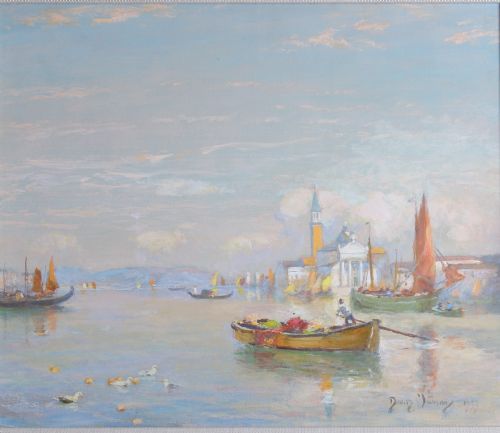
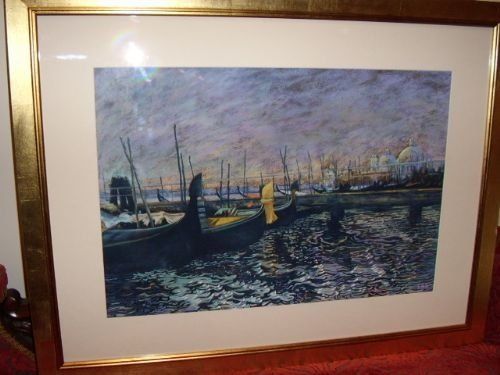
Marine canal landscape art captures the serene movement of waterways, bustling Venetian canals, and coastal vistas through delicate watercolours and rich oil paintings.
Marine Canal Landscape Art
When you search for marine canal landscape art, you find works depicting waterways, ships, and architectural scenes along canals. These pieces transport the viewer directly to historic maritime settings.
The selections here span from the nineteenth century into the twentieth century. You will encounter Victorian maritime scenes alongside impressionistic interpretations of European waterways.
Framed paintings dominate the selection, offering both oil on canvas and delicate watercolours. Venice and Dutch waterways appear frequently across these historical works.
Materials and construction
Artists relied primarily on oil on canvas and watercolour on paper to capture the changing light on water. Giltwood and wooden frames often enclose these historical paintings.
Techniques range from traditional European realism to impressionism. Ink pen drawings and pastel or gouache also appear alongside classic oil and watercolour methods.
Marine Canal Landscape Art Retail Price Guide 2026
Typical asking prices for marine canal landscape art among the pieces listed under this phrase on Sellingantiques today, from the lower quarter to the upper quarter. They describe what is for sale here now, not the wider market.
Several artists clearly enjoyed painting Venice so much they returned to the Grand Canal time and again without ever losing their oars.
Judging quality in canal art
Quality rests upon the artist's ability to render light and movement on water. Superior works display confident brushwork and a balanced composition that commands attention.
The distinction between finer pieces and simpler works lies in the depth of perspective and atmospheric detail. Original framing and attribution to recorded artists elevate the standing of a piece.
Sir David Murray RA·Fred Lawson·F J Aldridge·Marc Aldine·Antoine Bouvard Senior·Jane Vivian·Alfred Pollentine·Frank Wasley·William Knox·William Dommersen
The Marine Canal Landscape Art Glossary
- Watercolour
- A painting method where fine pigment is suspended in water-based solution. It creates translucent washes often applied to paper.
- Oil on canvas
- Pigment mixed with drying oil applied to a stretched cloth surface. This technique allows for rich texture and blending.
- Gouache
- An opaque water-based paint that provides solid, flat areas of colour. It is frequently combined with watercolour or pastel.
- Impressionism
- A nineteenth-century art movement focusing on accurate depiction of light and small, visible brushstrokes. It prioritises the overall visual effect over fine detail.
- Giltwood
- Wood that has been coated with a thin layer of gold leaf. It is commonly found on traditional picture frames.
Marine Canal Landscape Art: Frequently Asked Questions
What is marine canal landscape art?
Marine canal landscape art comprises paintings and watercolours depicting rivers, lagoons, and architectural canal scenes. These artworks focus on historical waterways and maritime activity.
Most examples date from the nineteenth and early twentieth centuries. They record famous European locations, particularly Venetian canals and Dutch ports.
Who painted these canal scenes?
Listed works include pieces by recognised nineteenth and twentieth-century painters such as Alfred Pollentine, William Knox, and F J Aldridge. Many artists specialised in maritime and topographical views.
Some paintings are signed by the artist, while others are attributed or follow traditional European realist styles.
How should I display these paintings?
These framed paintings suit traditional interiors, studies, or living spaces with good natural light. Protect them from direct sunlight to preserve watercolour pigments and oil colours.
Ensure hanging hardware is secure, particularly for heavier oil paintings in giltwood frames.
How do I identify the period?
Period identification relies on materials, framing style, and artist signatures or dates recorded in the titles. Nineteenth-century works often feature traditional canvas preparation and specific framing techniques.
Twentieth-century pieces may show impressionistic influences or modernist tendencies while retaining traditional subject matter.