
Italian Carved Marble
When collectors seek out italian carved marble, they look for classical antiquity and grand tour sculpture shaped by skilled hands across centuries.
Italian Carved Marble
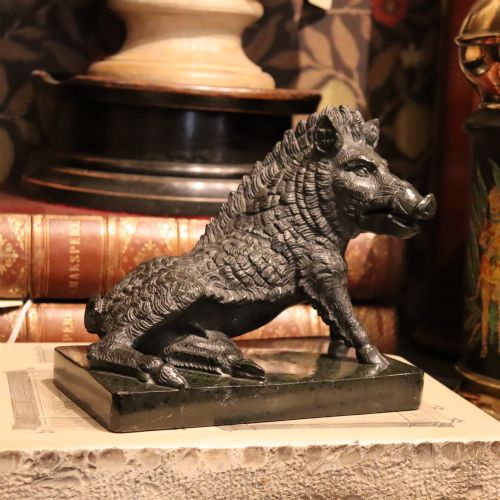
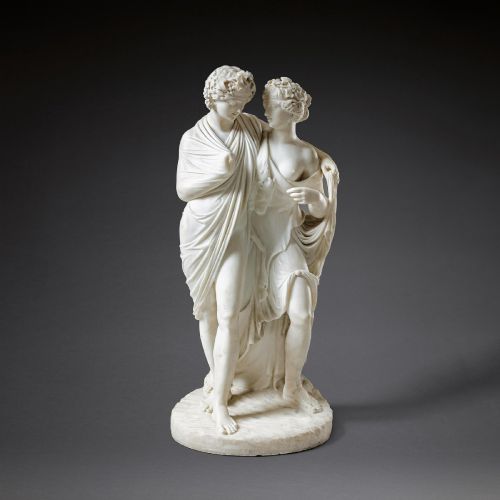
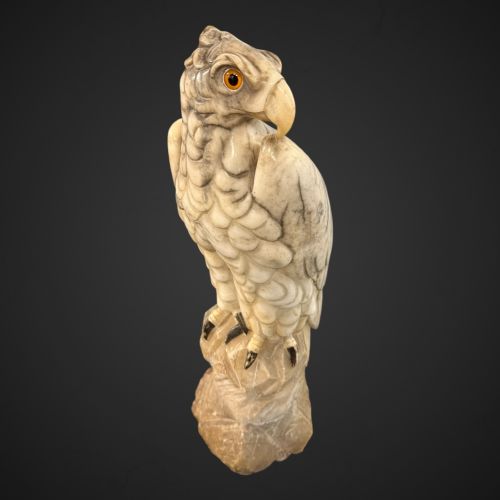
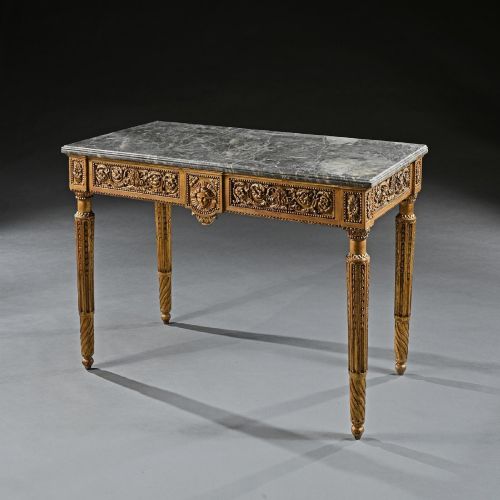
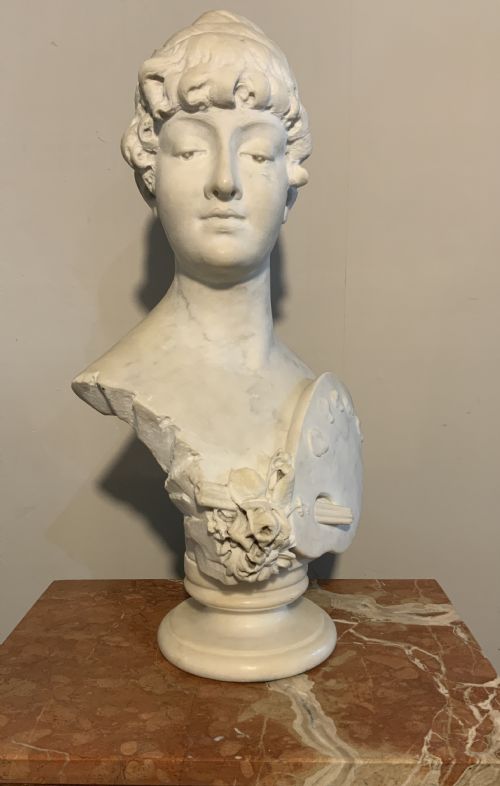
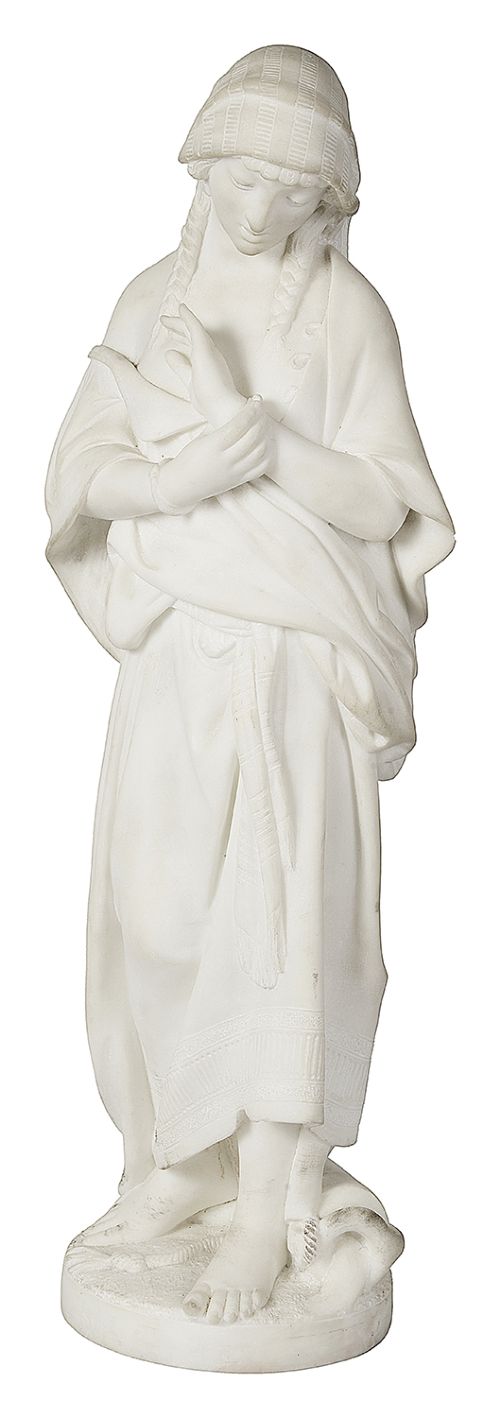
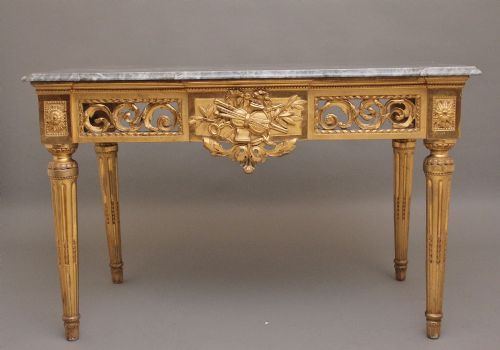
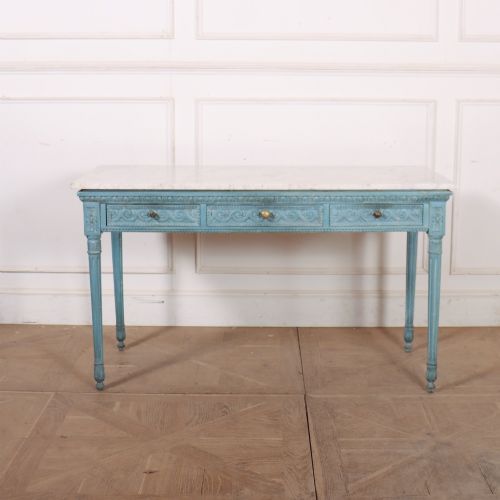
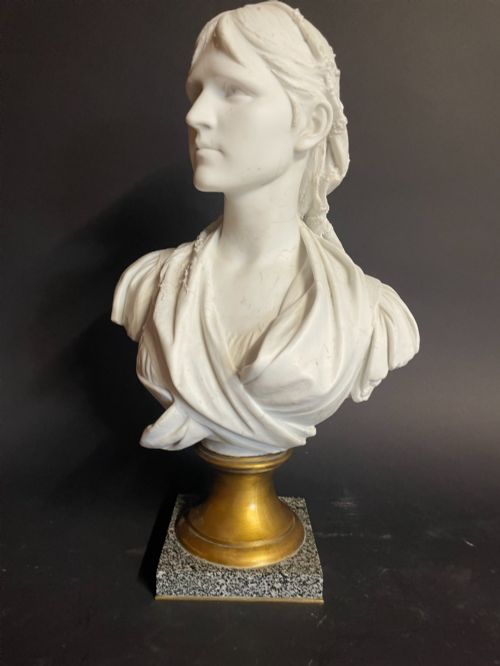
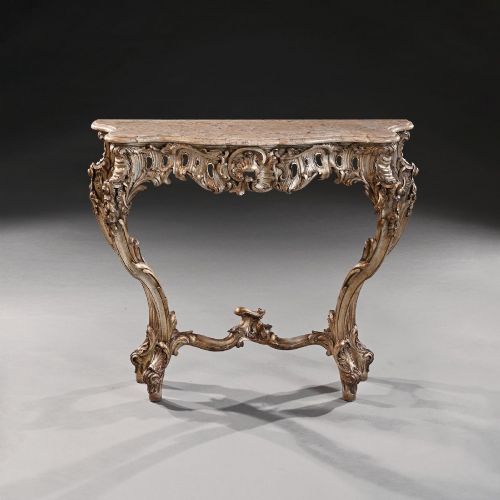
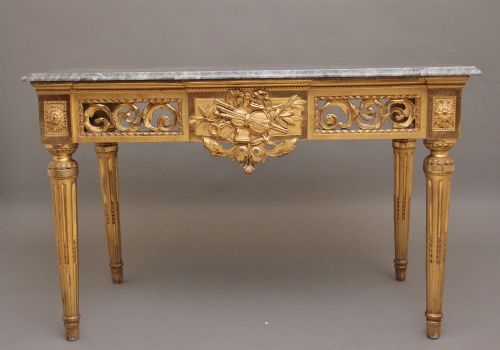
Collectors seeking italian carved marble encounter a diverse array of items ranging from grand tour souvenir figures and classical busts to architectural console tables featuring stone tops.
The objects stem predominantly from the eighteenth and nineteenth centuries, reflecting a sustained European fascination with classical sculpture and ancient ruins.
Most pieces on offer take the form of reduced-scale animal figures, mythological groups, and portrait busts carved in workshops across Florence and Rome.
How They Were Made
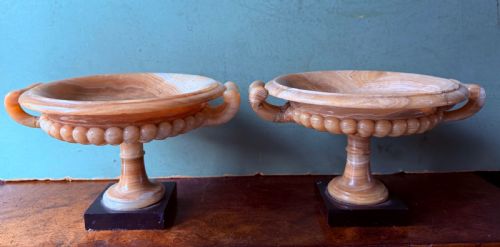
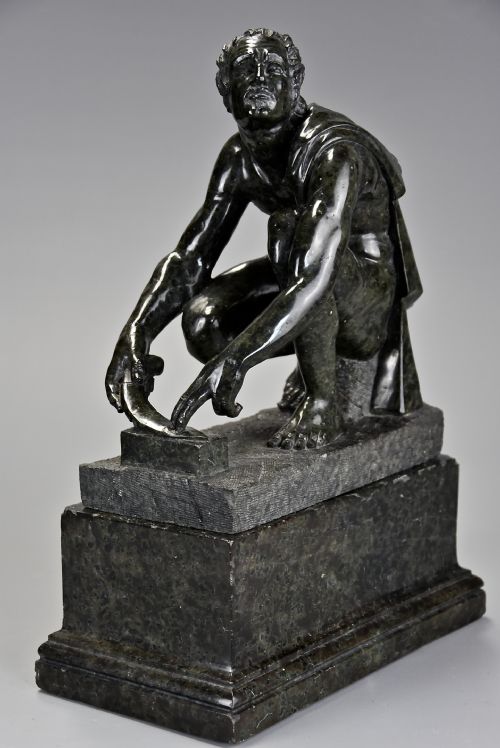
Artisans utilised hard stones such as statuary carrara, serpentine, giallo antico, and alabaster, shaping them with chisels and drills to replicate famous antiquities.
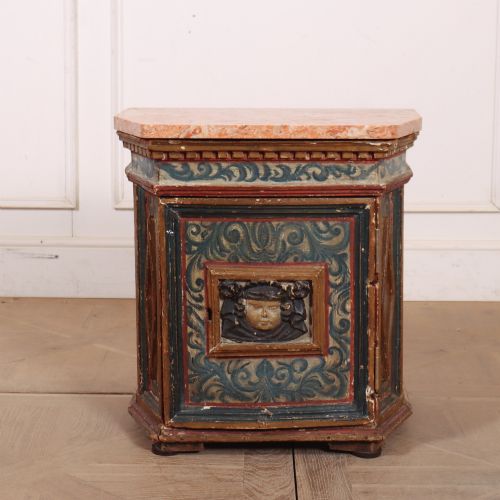
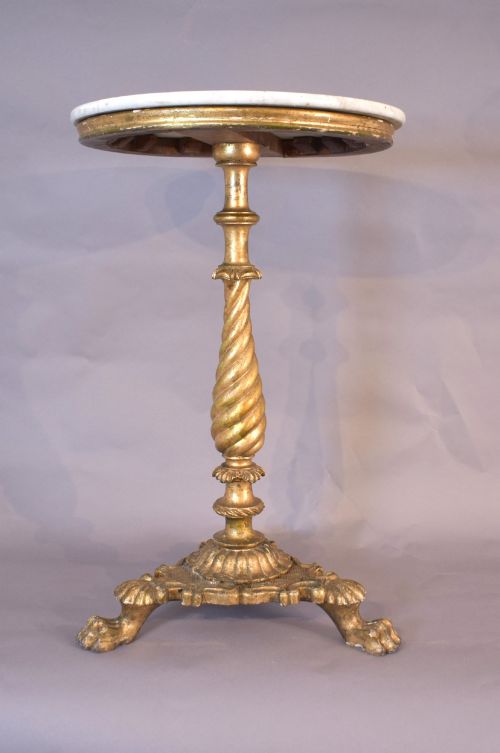
Many sculptural works pair carved marble figures with contrasting black marble or stone bases, while furniture pieces combine carved giltwood or painted wood frames with fitted marble slabs.
Listings feature numerous nineteenth-century grand tour souvenir sculptures alongside eighteenth-century giltwood console tables topped with veined marble.
What Varies in Quality
The standard of carving distinguishes routine souvenir pieces from masterworks, visible in the handling of drapery, musculature, and facial expression.
Carlo Albacini·Barranti·Amleto Bertoni·Antonio Canova·Giuseppe Carnevale·Pugi·R. Mattei·Pietro Bazzanti
The Italian Carved Marble Glossary
- Grand Tour
- A traditional trip through Europe undertaken by upper-class young men to absorb classical art and culture. Souvenirs bought on these travels form a core category of antique stone sculpture.
- Carrara Marble
- A type of white or blue-grey marble quarried in the city of Carrara in Tuscany. Sculptors prized this material for its fine grain and durability.
- Serpentine
- A group of green silicate minerals often used as a decorative stone in carvings and tabletops. Its mottled appearance resembles snakeskin.
- Tazza
- A wide, shallow saucer-shaped vessel mounted on a stem and foot, frequently carved from coloured marble as a decorative object.
- Labrum
- A large monumental basin or cistern inspired by ancient Roman baths. These heavy stone vessels were carved for display.
Italian Carved Marble: Frequently Asked Questions
What is a grand tour marble?
Grand tour marbles are small-scale sculptures and architectural models bought by travellers visiting historical sites in Italy during the eighteenth and nineteenth centuries.
These pieces served as portable representations of famous classical statues housed in museums and galleries.
How do I clean antique marble?
Antique marble requires gentle dusting with a soft, dry cloth to protect the surface polish and intricate carved details.
Water and chemical cleaners can damage porous stone and older giltwood mounts, so professional advice should be sought for deep cleaning.
Where were these sculptures carved?
The majority of these works originated in Italian workshops located in artistic centres such as Rome and Florence.
Local artisans specialised in copying ancient Roman and Greek antiquities for foreign buyers.
Why are some marbles coloured?
Sculptors utilised various natural stones like giallo antico, serpentine, and rosso antico to achieve realistic or decorative colour effects.
These different mineral compositions reflect the specific geological quarries exploited by ancient and nineteenth-century lapidaries.