






Italian Decor
Italian antique decor brings centuries of classical European craftsmanship and regional styles straight into modern rooms through marble, bronze, and gilded wood.
Italian Decor
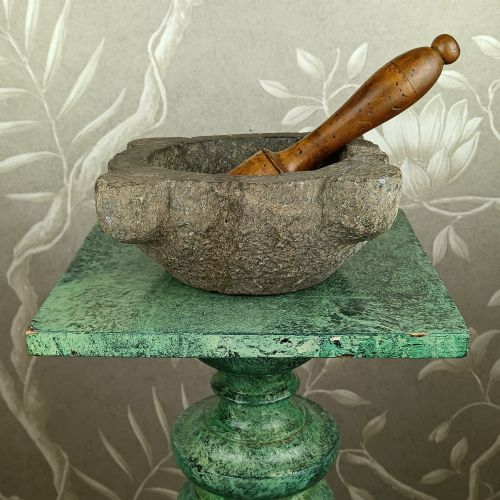
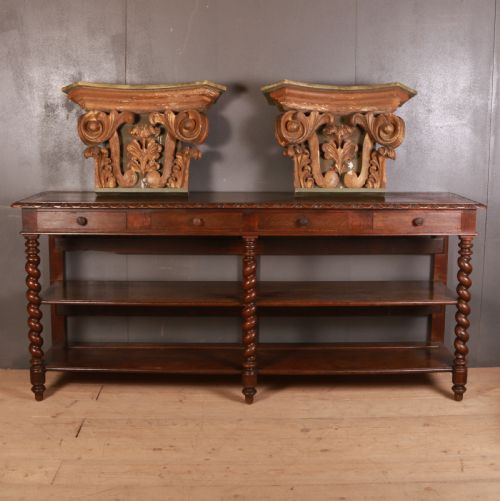
Italian antique decor encompasses a diverse selection of historical objects ranging from grand architectural elements to small decorative items. When exploring this category, buyers frequently encounter pieces rooted in traditional craftsmanship such as Grand Tour souvenirs, classical sculptures, and decorative furnishings.
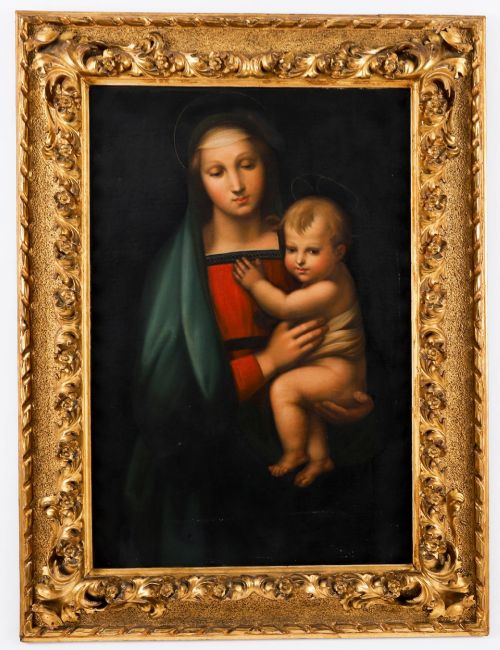
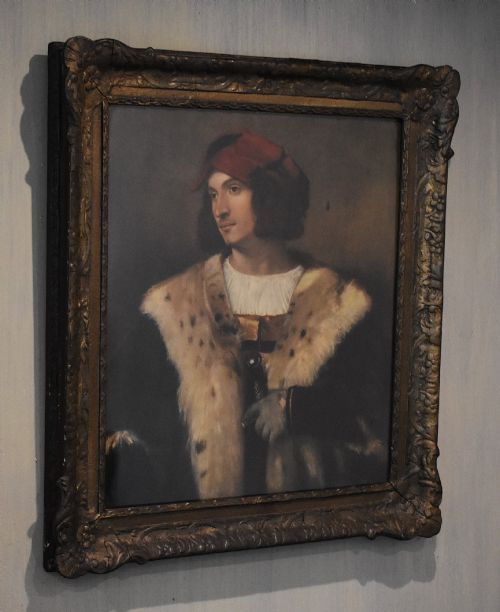
The selection reflects multiple eras, stretching from the eighteenth century through the Victorian period into the early twentieth century. Common forms include framed wall art, decorative urns, architectural salvage, and table objects like paperweights and tazzas.
Regional aesthetics shape these items heavily, drawing on Venetian glass traditions, Florentine pietra dura work, and classical revival motifs. Each piece serves to bring historical European artistry into domestic spaces.
Materials and construction methods
Materials utilised in these works rely heavily on traditional substances such as carved wood, gilt bronze, marble, and gesso. Artisans employed time-honoured techniques to shape stone, cast metals, and apply gold leaf to surfaces.
Italian Decor Retail Price Guide 2026
Typical asking prices for italian decor among the pieces listed under this phrase on Sellingantiques today, from the lower quarter to the upper quarter. They describe what is for sale here now, not the wider market.
Several items on offer began life as theatre props, adding a touch of dramatic Italian staging to everyday rooms.
Quality variations in historical Italian items
The sophistication of the design execution, whether in pietra dura inlay work or cast metal patination, distinguishes standard decorative pieces from exceptional historical works.
Icilio Federico Joni
The Italian Decor Glossary
- Pietra dura
- A method of inlaying cut and fitted highly polished coloured stones to create pictures or decorative patterns. This technique appears frequently on nineteenth-century paperweights and decorative objects.
- Grand Tour
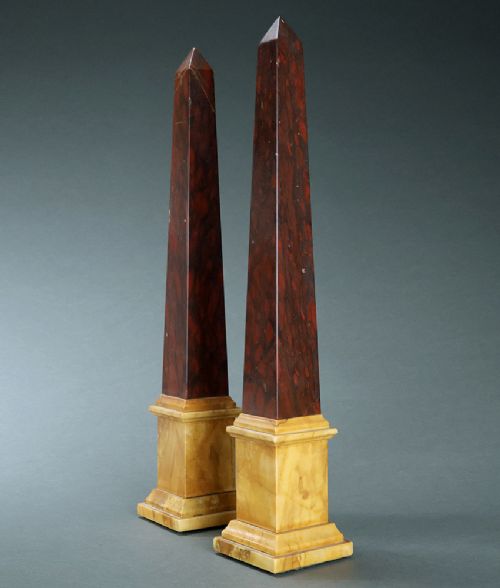
- A traditional trip of Europe undertaken by upper-class European young men of means in the seventeenth, eighteenth, and nineteenth centuries. Souvenirs from these journeys included marble obelisks, bronze vases, and miniature architectural models.
- Gesso
- A plaster-like mixture used as a smooth base for painting or gilding on wood surfaces. It provides the foundation for ornate frames and architectural elements.
- Tazza
- A shallow cup or bowl mounted on a stem and foot, often carved from decorative marble or cast in metal. These serve as classical display pieces.
- Gilt bronze
- Bronze objects treated with a layer of gold or gold leaf to give a rich metallic finish. This material is common in nineteenth-century decorative figures and mounts.
Italian Decor: Frequently Asked Questions
What is Italian antique decor?
Italian antique decor refers to historical ornamental objects, sculptures, and architectural elements originating from Italy across various centuries. These pieces reflect distinct periods like the Renaissance revival, Victorian era, and Art Deco.
Buyers select these items to introduce classical European aesthetics, rich materials like marble and bronze, and traditional craftsmanship into contemporary interiors.
How do I identify Grand Tour items?
Grand Tour items typically replicate famous classical architecture, sculptures, or antiquities that travellers collected during European journeys in the eighteenth and nineteenth centuries. Look for materials such as fine marble, alabaster, and bronze.
Common forms include miniature obelisks, classical vases, and architectural models designed for display on desks and mantelpieces.
What is pietra dura?
Pietra dura is an artistic technique involving the meticulous inlay of cut and polished coloured stones to form decorative scenes or geometric designs. Artisans used hardstones like jasper, chalcedony, and marble.
This painstaking method is frequently found on nineteenth-century Italian paperweights and specimen plaques.
How should I clean antique marble and bronze?
Antique marble and bronze require gentle maintenance using soft, dry cloths to remove dust without disturbing the historical surface or patination. Avoid harsh chemical cleaners or abrasive materials.
Consulting a professional conservator is advisable for valuable pieces showing significant wear or accumulated grime.