



Islamic Metalwork Vessel
An islamic metalwork vessel brings centuries of intricate engraving and precious metal inlay into your home.
Islamic Metalwork Vessel
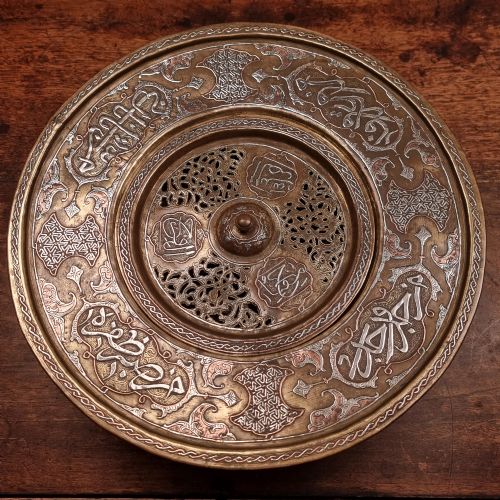
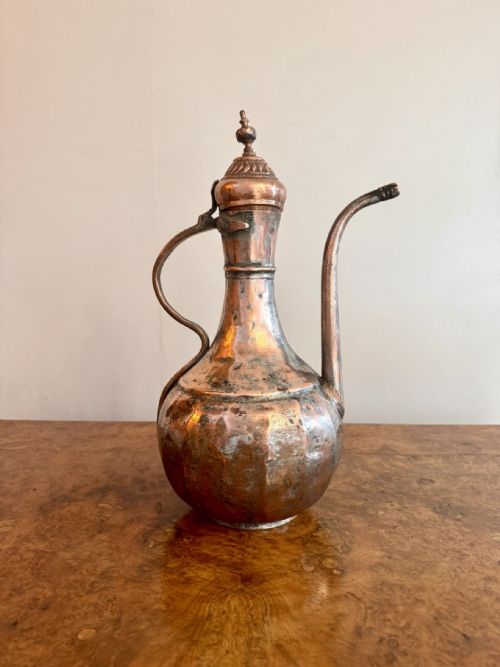
An islamic metalwork vessel encompasses decorative bowls, basins, basins, pitchers, ewers, and coffee pots shaped from brass, copper, silver, bronze, and tinned copper. These objects display styles ranging from Mamluk and Mamluk Revival to Persian Safavid, Seljuk Islamic, Ottoman, and Indo-Persian traditions.
The pieces you will encounter most frequently on this page date from the nineteenth century, including Victorian cairoware brass bowls and Middle Eastern copper coffee pots. Earlier examples from the sixteenth and pre-sixteenth centuries appear in bronze and brass with silver inlay.
Forms span from large engraved brass basins from Egypt or Syria to ritual vessels and aftabas with makara handles from Persia and India. Each object reflects distinct regional techniques of metalworking and surface decoration passed down across generations.
How they were made
Artisans hammered and cast metals including bronze, brass, copper, and silver to form the body of each vessel. Tinned copper provided a durable and bright surface for utilitarian items.
Craftspersons then decorated the surfaces through detailed engraving and metal inlay, pressing silver and copper wires into chased grooves to create intricate geometric and Calligraphic patterns.
Some bronze aftabas sport mythical makara handles, ready to pour water with ancient sea-monster confidence.
What varies in quality
Quality rests upon the depth and precision of the engraving alongside the execution of the metal inlay. Finer pieces display crisp lines and secure, flush wirework that integrates smoothly with the base metal.
The weight and balance of the vessel, combined with the integrity of applied handles and spouts, separate standard production from superior examples of historic metalwork.
The Islamic Metalwork Vessel Glossary
- Aftaba
- A traditional ewer used for ritual washing or pouring water, often featuring a long spout and a distinct handle. In some regions, these incorporate decorative motifs such as the mythical makara.
- Cairoware
- A nineteenth-century term for metalwork produced in Cairo, typically constructed from brass and inlaid with silver and copper to emulate earlier Mamluk designs.
- Inlay
- A decorative technique where contrasting metals like silver and copper are hammered into recessed channels carved into a bronze or brass base.
- Mamluk Revival
- A nineteenth-century artistic movement that recreated the heavy brass engraving and silver inlay techniques of the medieval Mamluk sultanate of Egypt and Syria.
Islamic Metalwork Vessel: Frequently Asked Questions
How do I clean an antique metal vessel?
Dust the surface gently with a soft, dry cloth to remove loose particles. Avoid using metal polishes or abrasive cleaners, which can strip away historic patinas and damage delicate metal inlays.
Store the object in a stable environment away from high humidity to protect the brass, copper, and bronze surfaces from further oxidation.
Were these vessels used daily?
Many pieces served practical functions in households and courts, including pouring water from ewers, brewing coffee in copper pots, or washing hands in large brass basins.
Others held ritual significance or served purely as decorative objects to display wealth and artistic appreciation in domestic spaces.
How can I tell the period?
Dating relies on examining the specific style of engraving, the composition of the base metal, and the characteristic forms of handles, spouts, and rims. Nineteenth-century revival pieces often exhibit different construction markers compared to sixteenth-century originals.
Regional traditions from Persia, Egypt, Syria, and India also employ distinct decorative motifs that help narrow down the date and origin of the piece.
Can I use these for liquids?
While coffee pots and ewers were originally made to hold liquids, historic vessels often develop micro-fissures or fragile interior conditions over centuries. Using them for liquids today can cause internal corrosion or leaks that damage the antique metal.
It is best to display these objects dry and treat them as works of sculptural art rather than functional kitchenware.