



Iron Tripod Side Table
An iron tripod side table brings sturdy utility and compact charm to any room, offering a clever surface for a lamp, a drink, or a small plant.
Iron Tripod Side Table
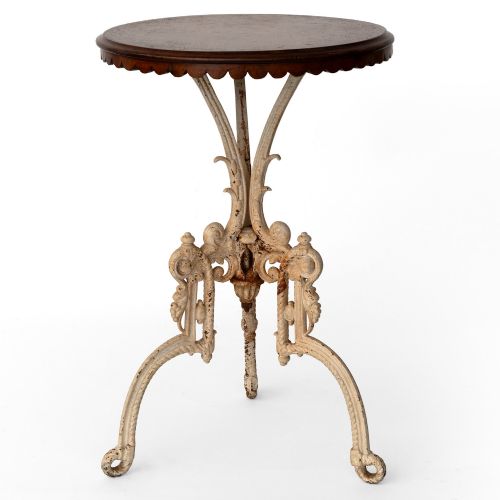
An iron tripod side table is a versatile small furniture piece defined by a central pedestal or three-legged iron base supporting a compact top. When you search for an iron tripod side table, you encounter a practical domestic surface rooted in industrial, garden, and hospitality traditions.
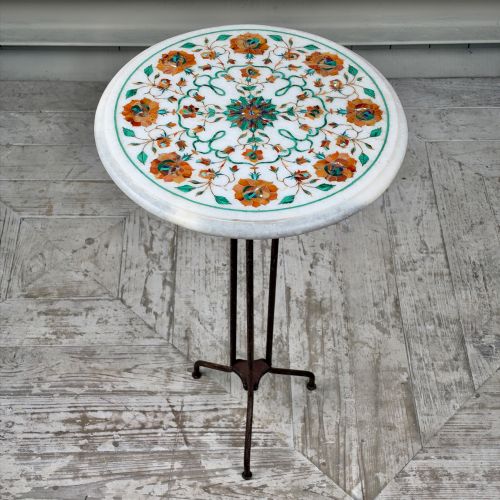
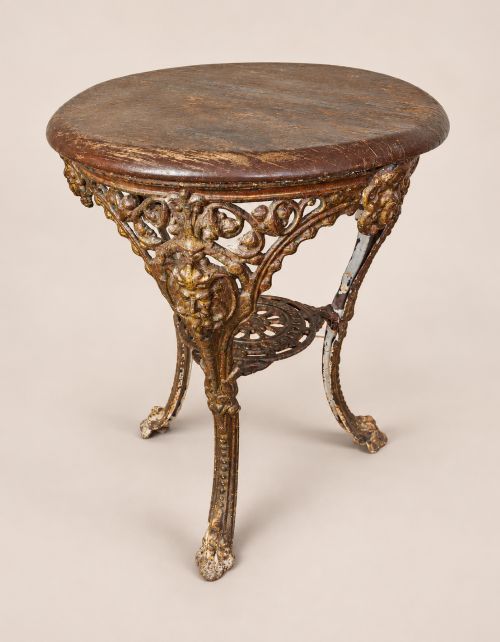
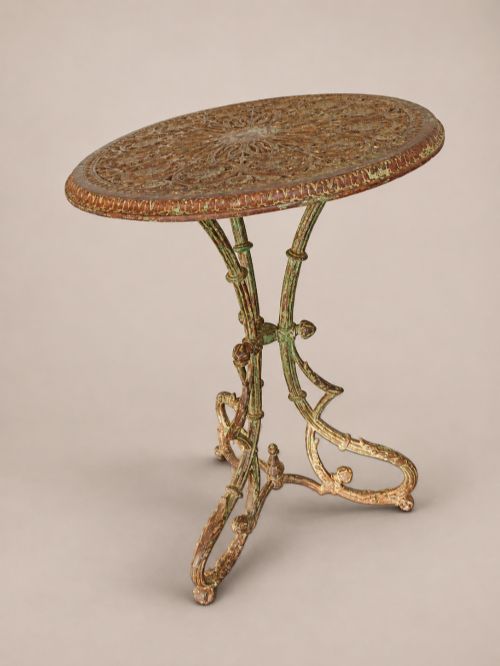
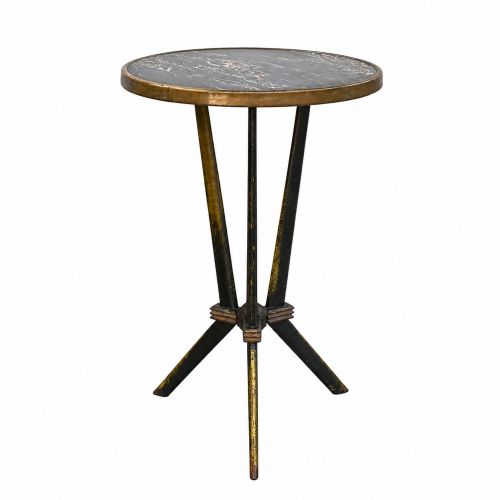
The selections available here draw heavily from nineteenth-century Victorian designs, early twentieth-century French bistro pieces, and rustic country origins. These tables appear in forms ranging from casual garden tables and pub tables to decorative occasional tables and butchers blocks.
Most examples combine a robust metal structure with a contrasting surface material such as marble, wood, or stone. Buyers choose these tables to add industrial character or period elegance to modern living spaces without sacrificing valuable floor area.
How they were made
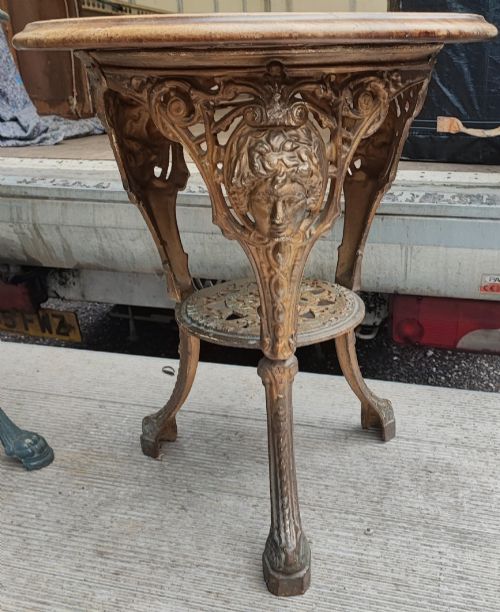
Makers constructed the foundational supports using durable cast iron or wrought iron, often shaping the metal into intricate scrollwork, sturdy tripod legs, or distinctive Britannia bases. These metallic structures frequently retain original paintwork or patinated surfaces developed through decades of use.
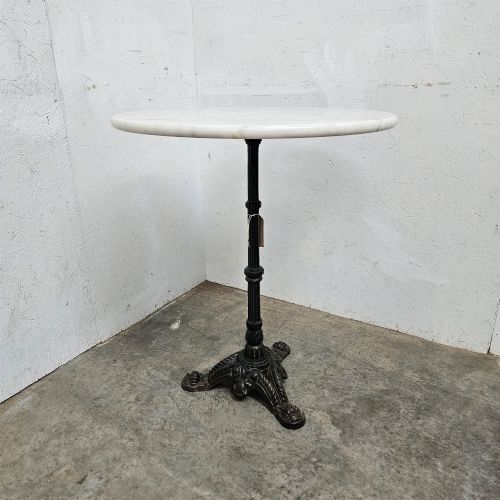
The tabletops present a diverse material palette, featuring white marble, green marble, semi-precious stone, natural timber, hardwood, and mahogany. Carpenters and stonemasons fitted these solid tops securely to the metal frames, creating stable surfaces designed to endure daily service in cafes, pubs, gardens, and homes.
Iron Tripod Side Table Retail Price Guide 2026
Typical asking prices for iron tripod side table among the pieces listed under this phrase on Sellingantiques today, from the lower quarter to the upper quarter. They describe what is for sale here now, not the wider market.
Listings span from the 19th century through the 1930s, featuring cast iron, wrought iron, marble, brass, hardwood, and semi-precious stone.
What varies in quality
Quality in these pieces rests upon the integrity of the original materials and the finesse of the metal casting. Tables featuring finely detailed scrollwork or robust foundry work command attention for their sculptural presence.
The choice of tabletop material also dictates the character and distinction of the piece. Heavy marble slabs, inlaid semi-precious stones, and thick hardwood tops elevate the functional design far beyond standard utility.
The Iron Tripod Side Table Glossary
- Tripod base
- A three-legged support structure designed to maintain stability on uneven floors. This configuration is standard across the pedestal tables seen here.
- Cast iron
- A strong, heavy iron-carbon alloy poured into moulds to create intricate bases and legs. It provides the solid weight necessary for a stable small table.
- Britannia table
- A traditional pub table style featuring a heavy cast iron pedestal base, often moulded in the form of Britannia. These sturdy tables date predominantly to the nineteenth century.
- Occasional table
- A small, movable table designed for intermittent use in living areas or hallways. They serve practical functions while adding decorative character to a room.
- Bistro table
- A compact table originally utilised in French cafes and refreshment rooms. They typically pair an iron or metal base with a round wooden or marble top.
Iron Tripod Side Table: Frequently Asked Questions
Where do iron tripod side tables work best?
These compact tables fit easily beside armchairs, in tight hallways, or as bedside surfaces where space is limited. Their sturdy metal bases also make them suitable for conservatory and garden use.
They bring industrial character and practical surface area to both traditional and contemporary interiors without overwhelming the room.
How do I clean a marble tabletop?
Wipe the marble surface regularly with a soft, damp cloth and mild, neutral soap. Avoid acidic cleaners or harsh chemicals that can etch the stone.
Dry the surface thoroughly afterwards to protect the natural finish and maintain its historic appearance.
Are these tables suitable for outdoor use?
Many of these pieces originate as garden, cafe, or pub tables designed to withstand regular use. Cast iron frames handle sheltered outdoor environments well.
Tables with wooden tops or delicate marble require protection from harsh winter weather to preserve their original materials.
How do I date a cast iron table?
Examine the casting quality, surface patina, and any signs of original paintwork. Nineteenth-century examples often feature robust, heavier ironwork and traditional fixings.
Stylistic cues, such as Victorian scrollwork or early twentieth-century French bistro forms, help narrow down the period of production.