




Interwar Wooden Furniture
Interwar wooden furniture brings utilitarian craft and domestic comfort together, offering sturdy forms built for everyday use during a period of transition.
Interwar Wooden Furniture
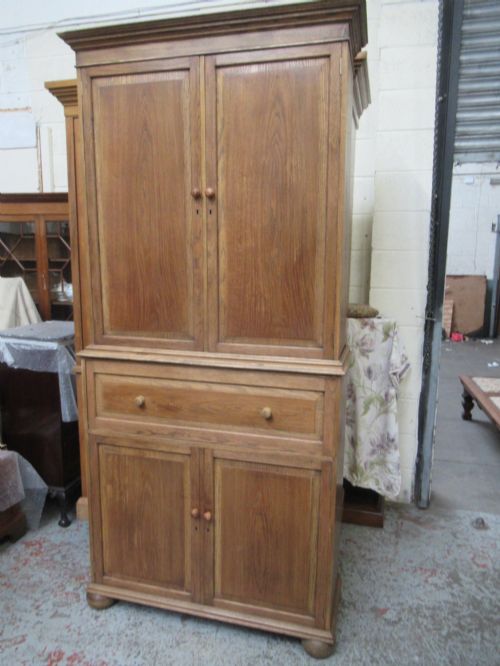
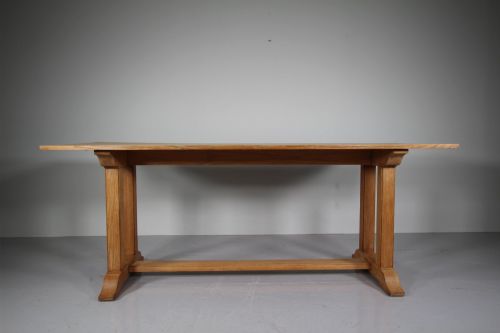
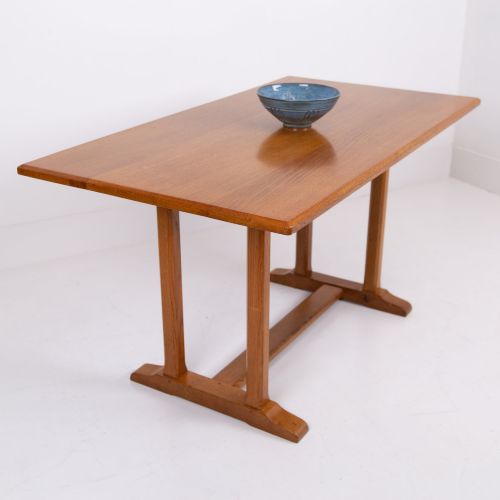
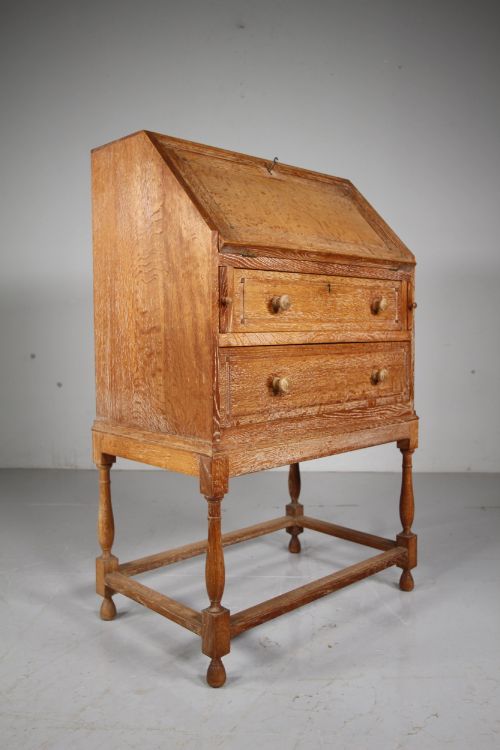
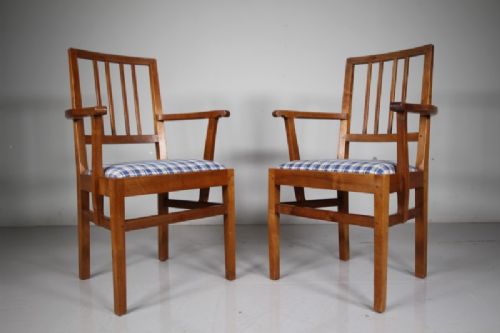
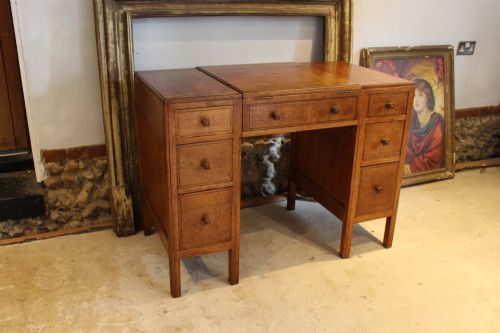
Interwar wooden furniture encompasses domestic and office pieces produced during the nineteen twenties and nineteen thirties, reflecting traditional craftsmanship alongside emerging twentieth-century styles. Buyers encounter dining tables, writing bureaux, armchairs, beds, dressing chests, and storage cupboards originating from this two-decade span.
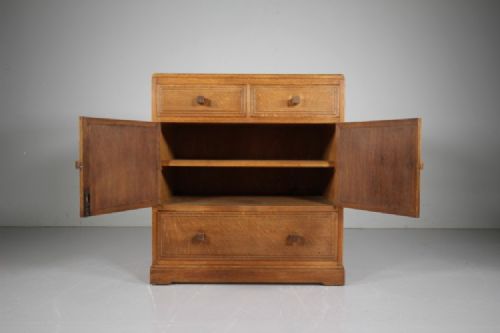
The pieces appearing on this page lean heavily towards solid oak and fruitwood constructions, often displaying stylistic influences from the Arts and Crafts movement, Jacobean Revival, and early British modernism. Forms range from domestic seating and bedroom sets to specialised storage items like tambour front filing cabinets and music cabinets.
Makers and retailers of the era, including Heal's and individual craftsmen such as Edward Barnsley and Arthur Reynolds, shaped the output with labelled or stamped designs. The resulting inventory provides practical utility alongside distinct period character suitable for contemporary interiors.
Materials and construction
The construction relies primarily on solid oak and fruitwood, supplemented by occasional use of walnut and mahogany for specific cabinet pieces. Structural integrity is reinforced through iron, metal, brass, and glass components applied to handles, hinges, and tabletops.
Joinery techniques balance traditional hand-tool methods with early industrial production, utilising carved details, tambour fronts, and barley twist legs. Workshops employed durable timbers designed to withstand daily domestic and office wear over decades.
Interwar Wooden Furniture Retail Price Guide 2026
Typical asking prices for interwar wooden furniture among the pieces listed under this phrase on Sellingantiques today, from the lower quarter to the upper quarter. They describe what is for sale here now, not the wider market.
Object forms include dining tables, writing bureaux, armchairs, double bedsteads, dressing chests, and tambour front office filing cabinets.
Judging quality
Quality rests upon the selection of timber and the precision of the joinery, distinguishing workshop-produced items from standard commercial output. Pieces bearing maker stamps or original labels demonstrate documented provenance that elevates their standing among collectors.
The integration of secondary materials, such as brass hardware and glass inserts, dictates the refinement of a piece. Finer examples maintain original finishes and structural soundness without compromising the integrity of the wood.
Heal and Sons·Arthur Reynolds·Oliver Morel·Edward Barnsley·Bryn Mawr
The Interwar Wooden Furniture Glossary
- Tambour front
- A series of narrow wooden slats glued to a flexible canvas backing, allowing the door to slide open around a curve. This mechanism appears frequently on office filing cabinets and writing bureaux from the period.
- Barley twist
- A decorative turning technique resembling a spiralling rope, carved into furniture legs and upright supports. It remains a prominent feature of Jacobean Revival and nineteen thirties oak tables.
- Bureau
- A desk featuring a sloping hinged flap that opens to reveal a writing surface and small compartment drawers. These pieces served as essential domestic and study furniture throughout the interwar years.
- Arts and Crafts
- A design movement prioritising traditional craftsmanship, visible construction, and simple forms. It heavily influenced the oak dining tables and armchairs produced during the nineteen twenties and thirties.
Interwar Wooden Furniture: Frequently Asked Questions
How do I identify a Heal's piece?
Heal and Sons items often bear original paper labels, brand marks, or stamps confirming their origin in London workshops.
These pieces typically showcase clean lines in solid oak, distinguishing them from unlabelled commercial furniture of the same decade.
Were these pieces used in offices or homes?
Makers produced items for both domestic interiors and professional workspaces, supplying dining tables and beds alongside tambour front filing cabinets.
Office furniture of this era prioritised functional storage built from sturdy oak and fitted with metal hardware.
How should I care for vintage oak furniture?
Solid oak and fruitwood require protection from direct sunlight and sudden humidity changes to prevent timber movement and cracking.
Regular dusting with a dry cloth and occasional application of appropriate natural wax preserves the original finish.