
Interior Wall Art
Interior wall art encompasses oil paintings, framed works and shadow boxes that bring domestic scenes, portraits and historic rooms onto your walls.
Interior Wall Art
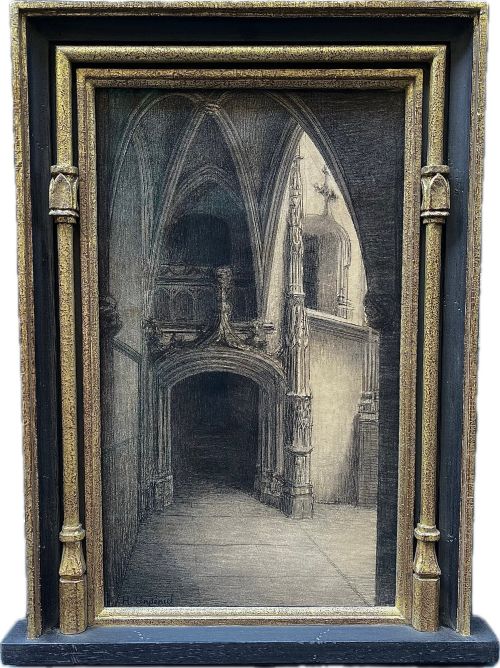
When you examine interior wall art on this page, you encounter oil paintings, watercolours and engravings spanning multiple centuries. The majority of these pieces originate from the nineteenth century through to the mid-twentieth century, showcasing diverse stylistic movements from Victorian genre scenes to mid-century modernist compositions.
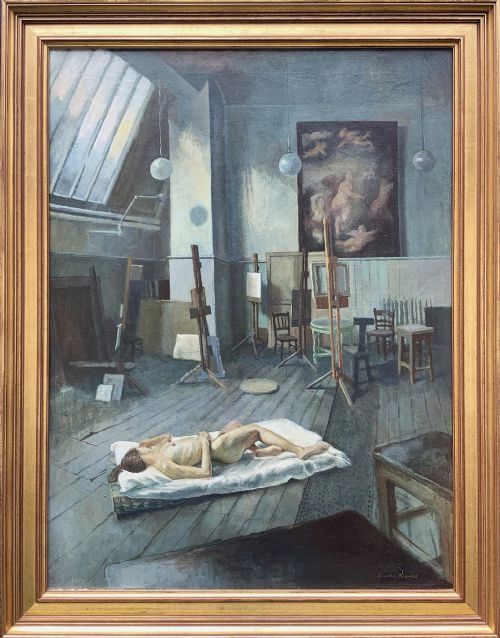
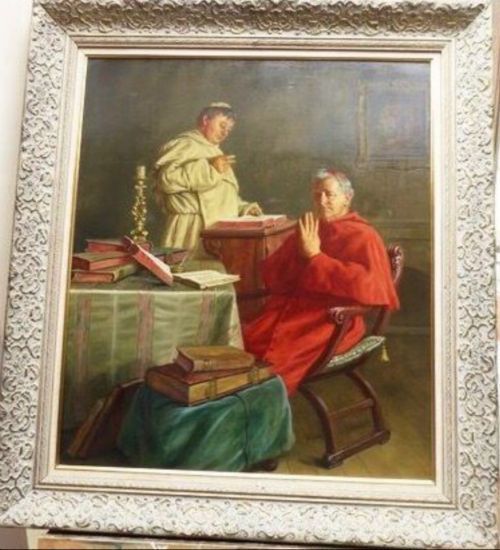
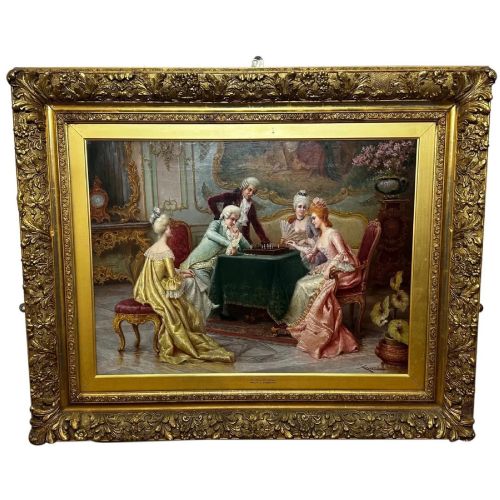
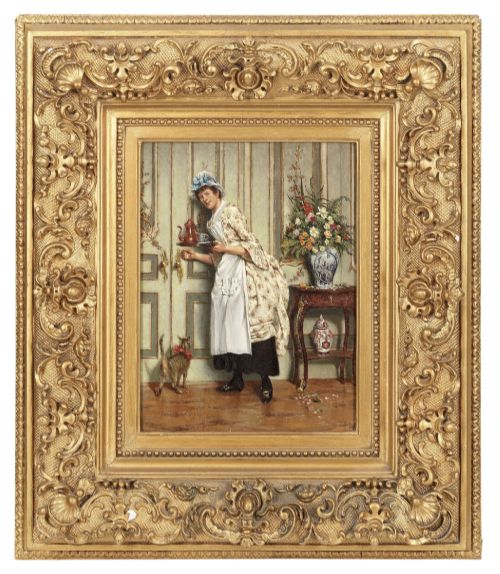
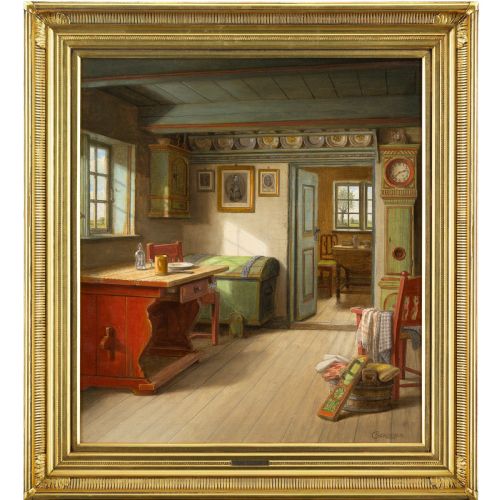
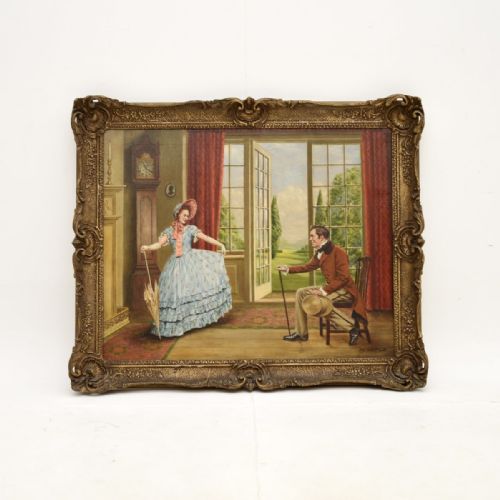
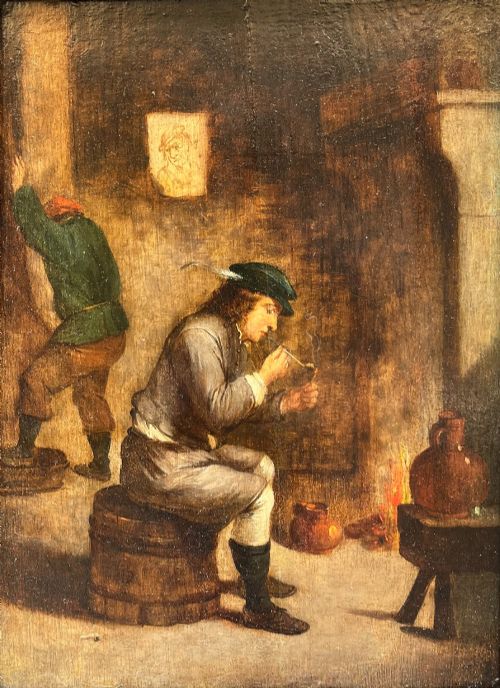
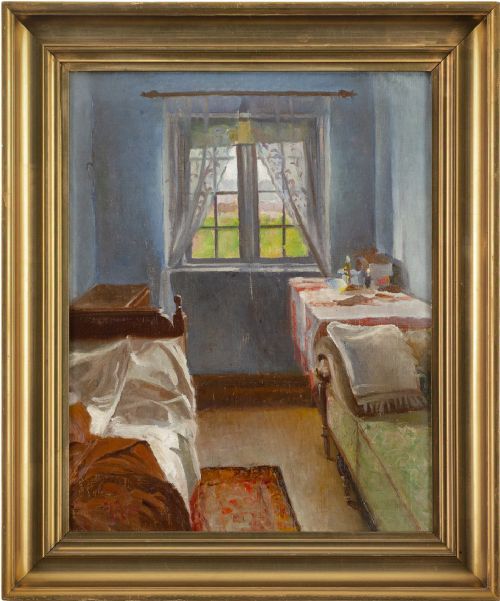
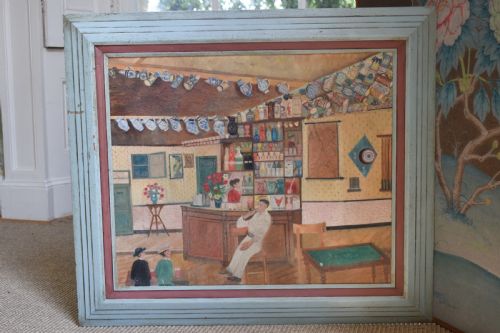
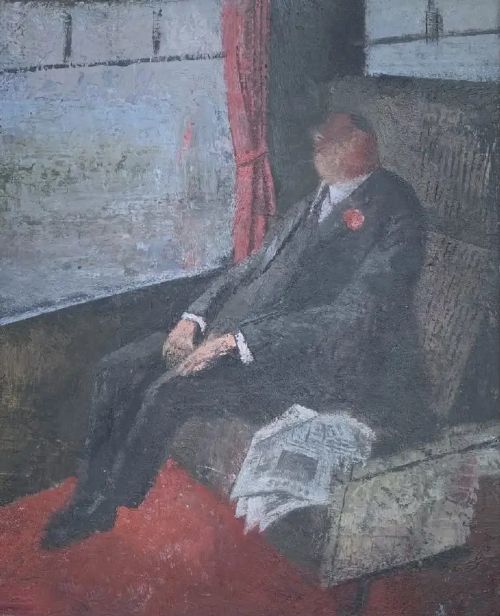
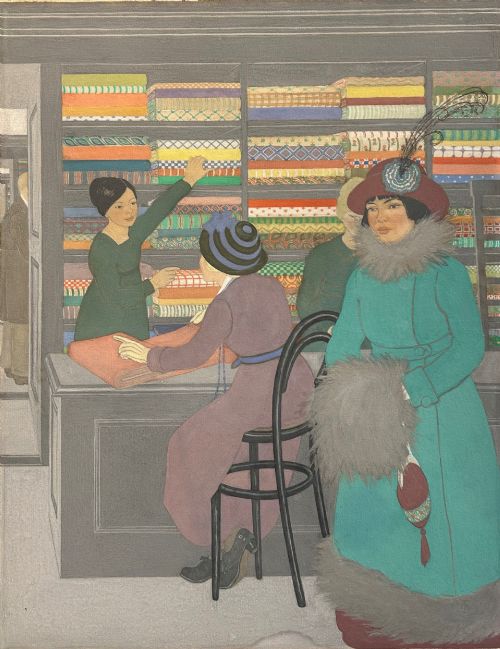
Domestic interiors, tavern scenes, country house rooms and quiet domestic moments form the core subjects of these works. Painters capture figures engaged in daily routines, card games or tea hours, providing a visual record of historical domestic spaces.
Alongside conventional oil on canvas works, the selection incorporates maritime shadow boxes, reverse paintings on glass and printed fabrics. Each format offers a distinct way to introduce historical narrative and painterly texture into a room.
Materials and construction
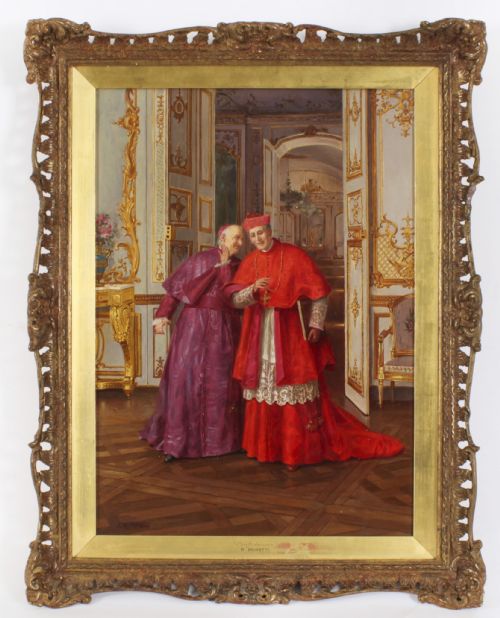
Artists painted primarily with oil on canvas or wood panel, applying layers of oil paint that built up rich colour depth and subtle chiaroscuro effects. Giltwood and gesso frames, often original to the period, house many of these works with applied gold leaf detailing.
Engravings and prints utilise paper substrates mounted within traditional frames such as Hogarth mouldings. Mixed media pieces incorporate canvas, board and specialised painted glass surfaces.
Subject matter ranges from domestic tea hours and quiet bedrooms to bustling tavern scenes and maritime dioramas.
Qualities that distinguish individual works
Quality rests upon the artist's handling of light, shadow and spatial depth within the depicted room. Superior canvases display confident brushwork and anatomical precision in figures, whereas lesser pieces can feel stiff or formulaic in their composition.
The preservation of the original surface and the integrity of the period frame strongly influence a piece's standing. Works retaining their untouched nineteenth or twentieth-century framing demonstrate greater historical cohesion than those paired with modern replacements.
Deidre Daines·Henry Barraud·Carlo Ferranti·Ernst Stierhof·Stephen Samuel Lewin·Alfred Lyndon Grace·David Teniers·Henri Charles Angéniol·Harry Kluge·Valdemar Magaard·Renato Moretti·Jacob Akkersdijk·Harry Brooker·Benjamin Eugene Fichel·Alexander Rosell·John Arthur Lomax·Albert Clark·John Watkins Chapman·Charles Haigh Wood·Frank Moss Bennett·Haynes King·James Kyd
The Interior Wall Art Glossary
- Genre painting
- A style depicting scenes from everyday life, typically involving ordinary people in domestic or social settings. These works provide valuable insights into historical manners and dress.
- Chiaroscuro
- An artistic technique employing strong contrasts between light and dark to give subjects a three-dimensional volume. Painters use this method to create dramatic tension in interior tavern and room scenes.
- Gesso
- A plaster-like mixture applied to wooden frame mouldings as a base for gilding. It allows craftsmen to carve intricate decorative reliefs before applying gold leaf.
- Maritime shadow box
- A deep frame containing a three-dimensional diorama of ships, often incorporating painted backdrops and carved wooden vessels. These constructions combine painting with model-making techniques.
- Oil on canvas
- Pigment mixed with a drying oil applied to a stretched woven fabric support. This combination offers durability and allows artists to rework areas during creation.
Interior Wall Art: Frequently Asked Questions
What periods do these paintings cover?
The selection spans from the seventeenth century through the Victorian era up to the mid-twentieth century.
Nineteenth-century works dominate the listings, alongside modernist and mid-century interpretations from the nineteen-fifties.
Are the frames original?
Many pieces retain their period frames, including original giltwood, gesso and Hogarth mouldings.
Descriptions specify whether a frame dates concurrently with the artwork.
How should I hang an oil painting?
Hang paintings away from direct sunlight and fluctuating heat sources to protect the canvas and oil pigments.
Secure heavy framed works to wall studs using appropriate hardware rated for the weight.
What is a genre scene?
A genre scene depicts everyday subjects and ordinary people engaged in common activities rather than grand historical narratives.
These interior views capture domestic life, card games and tea hours.