

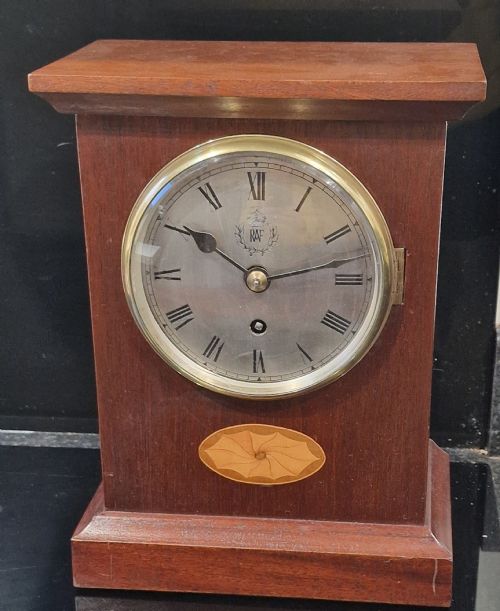
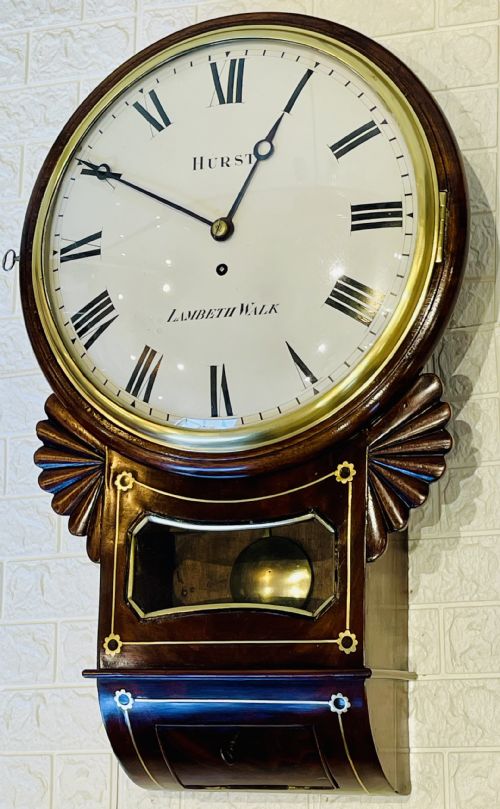


Inlay Wood Clock
When you search for an inlay wood clock, you encounter timepieces combining cabinet-making traditions with precision mechanisms.
Inlay Wood Clock
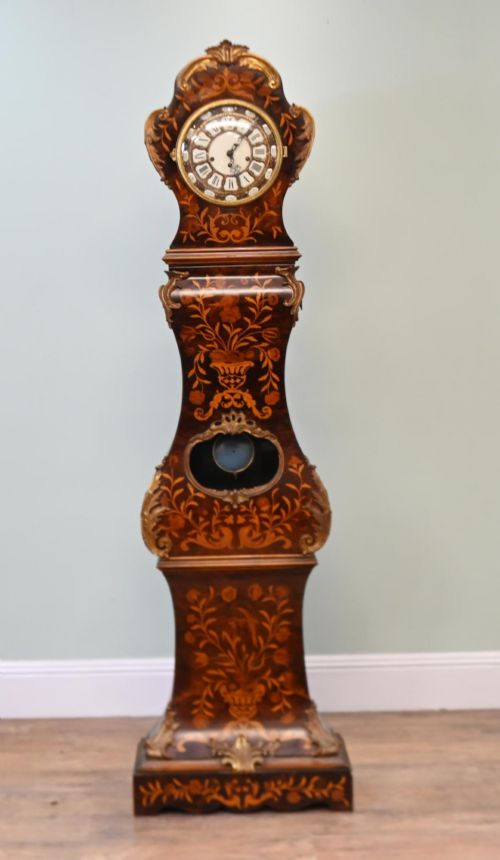
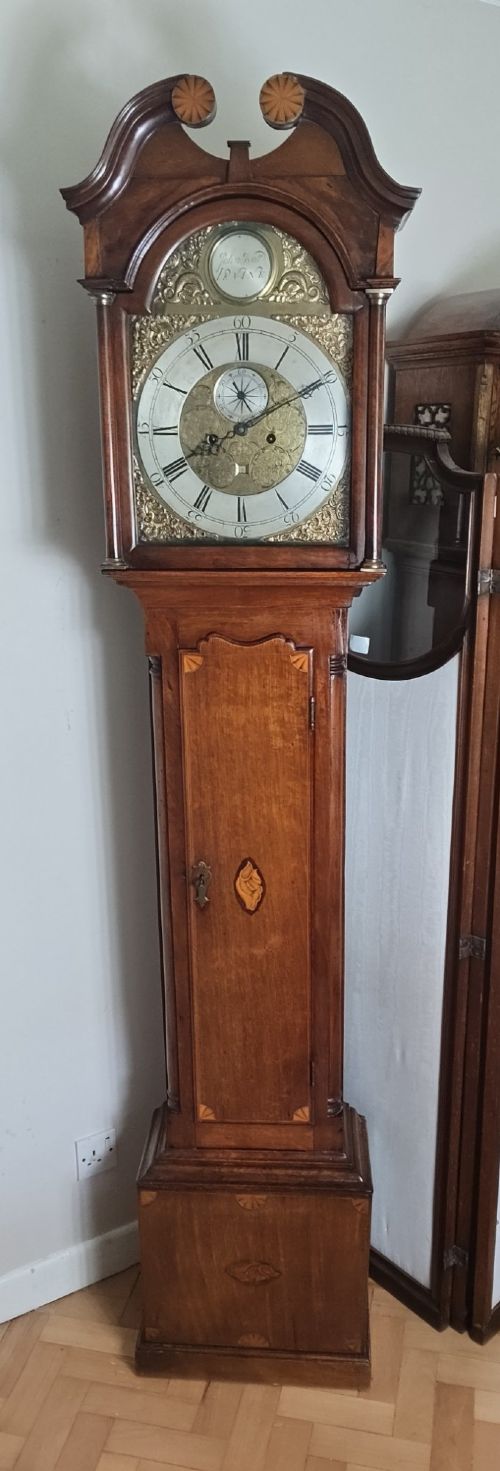
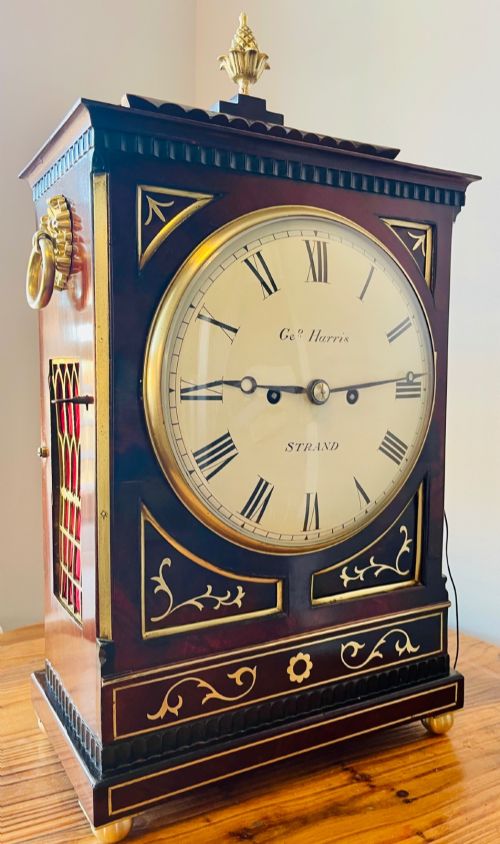
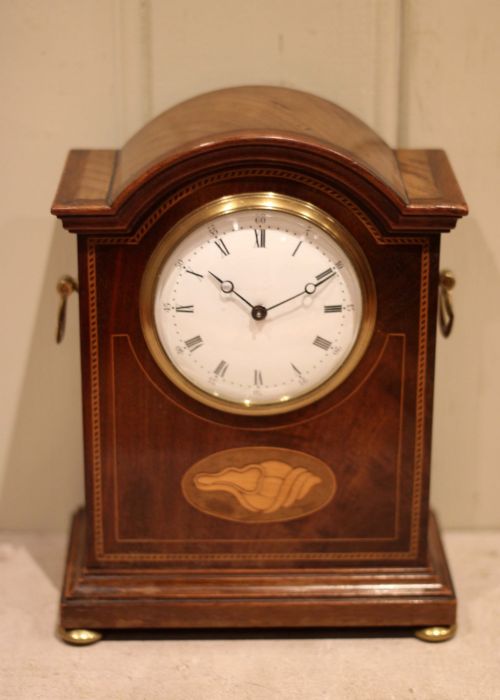
An inlay wood clock is a timepiece housed within a wooden cabinet embellished with contrasting timber veneers, stringing, or brass motifs. Buyers searching this phrase meet a diverse selection ranging from compact mantel and bracket formats to towering longcase grandfather clocks.
The prevailing examples across these listings emerge predominantly from the nineteenth and early twentieth centuries, spanning Regency, Victorian, and Edwardian periods. Mahogany and rosewood form the primary cabinet bodies, frequently accented with satinwood, boxwood, or mother of pearl details.
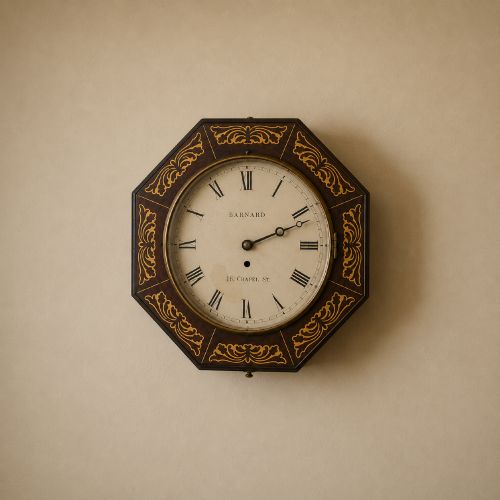
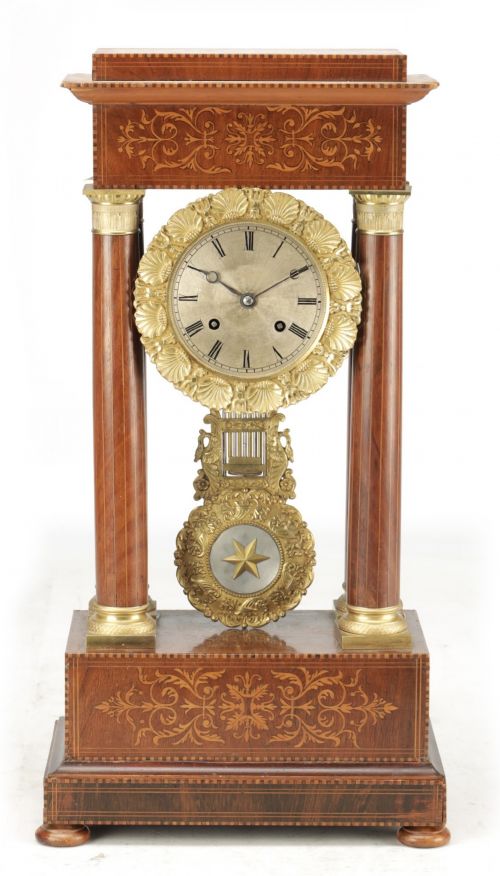
Formats vary widely between wall-mounted drop-dial variants, freestanding floor-standing longcases, and decorative table or mantel pieces designed for domestic interiors. Each iteration reflects the prevailing stylistic preferences of its respective era, from French portico designs to traditional English fusee movements.
How they were made
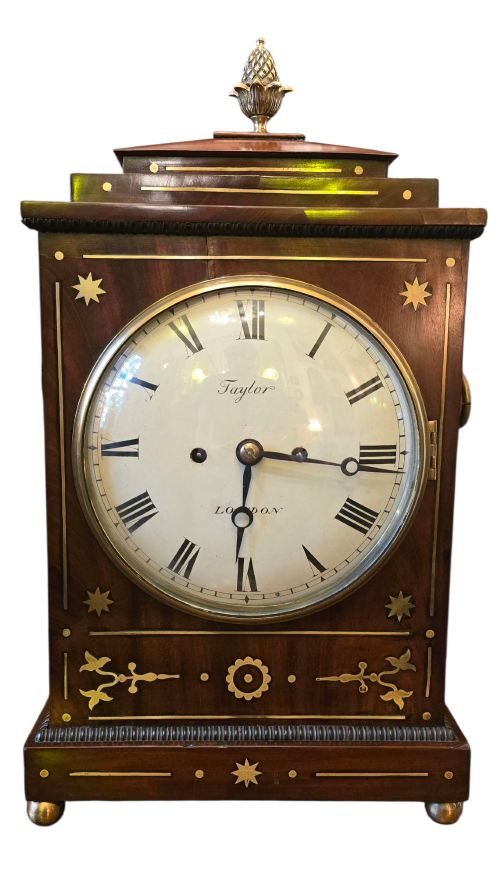
Cabinet-makers constructed the cases using solid and veneered timbers such as mahogany and rosewood, applying contrasting stringing and marquetry panels into recessed channels within the wood. Master artisans utilised boxwood, satinwood, and lemon wood to create geometric borders, paterae motifs, and floral patterns across the faces and plinths.
Mechanical components housed within these wooden enclosures relied on brass plates, steel pivots, and gear trains powered by weights or spring-driven fusee movements. Enamel, convex glass, and cast or gilt ormolu bezels were integrated into the design to frame the painted or metal clock dials.
Inlay Wood Clock Retail Price Guide 2026
Typical asking prices for inlay wood clock among the pieces listed under this phrase on Sellingantiques today, from the lower quarter to the upper quarter. They describe what is for sale here now, not the wider market.
Some nineteenth-century French mantel clocks hide delicate silk-suspension pendulums behind convex glass dials.
What varies in quality
Quality in an inlay wood clock rests upon the precision of the cabinet work and the integrity of the internal movement. Finer examples display meticulously fitted contrasting veneers without gaps, alongside high-grade mechanical movements bearing the signature of a recognised maker.
The refinement of the decorative detailing - such as finely executed brass inlay, delicate marquetry, and well-cast ormolu mounts - distinguishes standard production models from superior artisan commissions. Original components, legible dial signatures, and balanced proportions further elevate the standing of a piece.
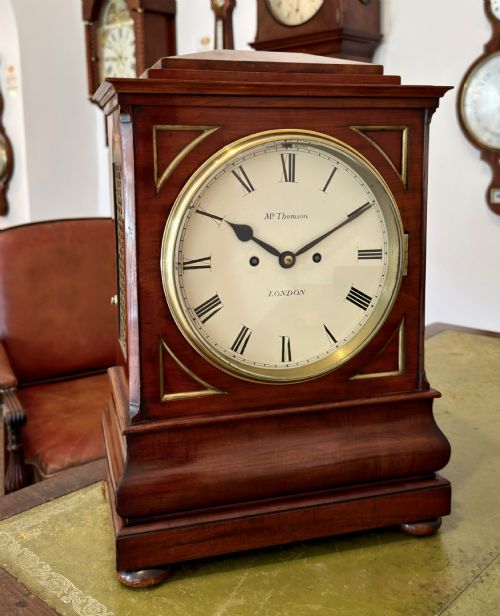
Thomson of London·Barnard·John Denbigh Merton Park·S Simpson Southampton·Thomas Connold of Alysham·Henry Marc·Joseph Jump of London·Summerhayes of Taunton·John Calver Woodbridge Suffolk
The Inlay Wood Clock Glossary
- Fusee
- A conical pulley used in clock movements to maintain an even pull on the gear train as the mainspring unwinds. This mechanism ensures consistent timekeeping accuracy throughout the running cycle of the clock.
- Marquetry
- The art of applying pieces of veneer to a structure to form decorative patterns and pictures. Craftsmen assemble various coloured woods to create intricate surface designs.
- Paterae
- Small, round decorative motifs carved or inlaid into furniture and clock cases, often resembling a classical flower or rosette. They frequently appear on the corners of longcase or mantel clock hoods.
- Drop Dial
- A wall clock design featuring an extended wooden case beneath the circular dial to accommodate a pendulum or weight drop. These cases are commonly executed in mahogany or rosewood with inlay accents.
- Portico Clock
- A mantel clock style built to resemble a classical architectural portico supported by columns. These nineteenth-century pieces often showcase rich rosewood veneers and ormolu mounts.
Inlay Wood Clock: Frequently Asked Questions
What is a fusee movement?
A fusee movement uses a conical pulley connected to the mainspring by a chain or cord, designed to equalize the decreasing power of the spring as it unwinds.
This mechanical arrangement ensures the clock delivers consistent force to the escapement throughout its running period, resulting in superior timekeeping precision.
How do I identify a Regency clock?
Regency clocks typically date from the early nineteenth century and display classical architectural influences, crisp brass inlay, and rich mahogany or rosewood surfaces.
Look for geometric brass stringing, distinct dial proportions, and high-quality fusee movements housed in bracket or wall-mounted drop-dial formats.
Where were mantel clocks placed?
Mantel clocks were designed for display upon fireplace mantelpieces, sideboards, and occasional tables within principal domestic rooms.
Their compact proportions allowed them to serve as both decorative focal points and practical timekeepers for the household.
What is the difference between a bracket clock and a mantel clock?
Bracket clocks historically originated as portable spring-driven timepieces resting on wall brackets, featuring sophisticated bell-striking or musical mechanisms.
Later mantel clocks evolved into broader domestic shelf pieces produced in various architectural styles, including balloon and architectural portico shapes.