
Inlaid Wooden Sideboard Credenza
These inlaid wooden sideboard credenza pieces span Georgian to Edwardian periods, bringing timeless storage and detailed craftsmanship to dining rooms and living spaces.

Inlaid Wooden Sideboard Credenza
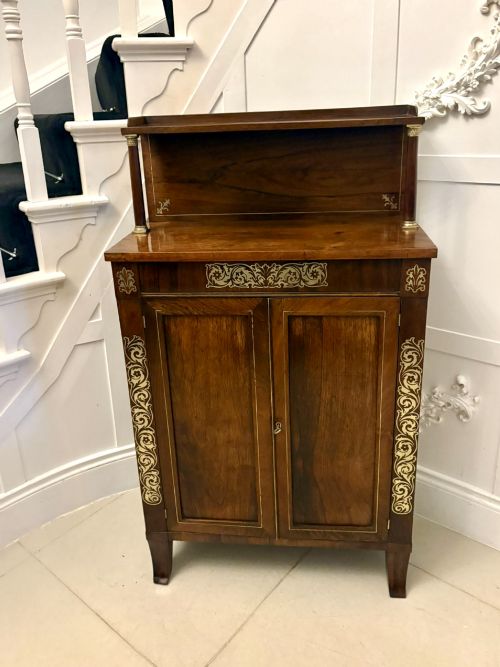
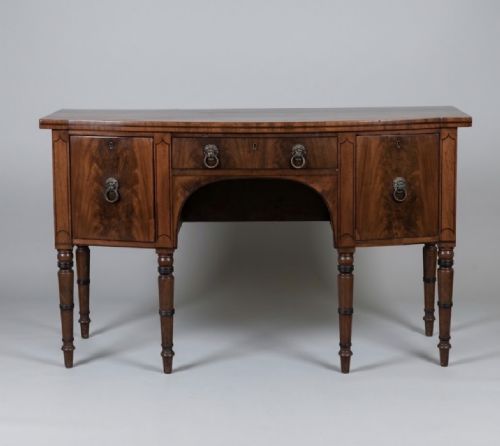
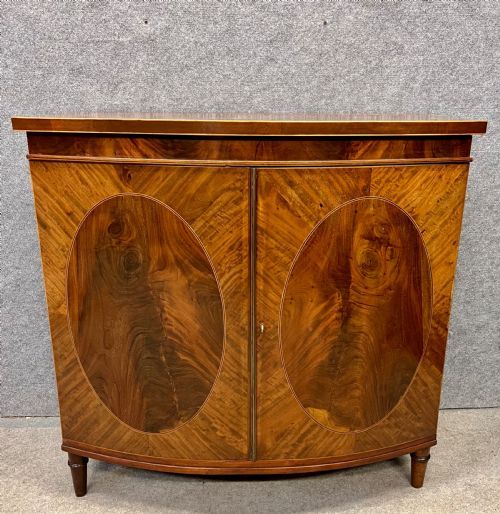
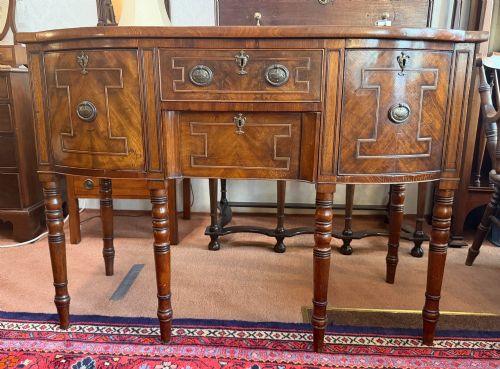
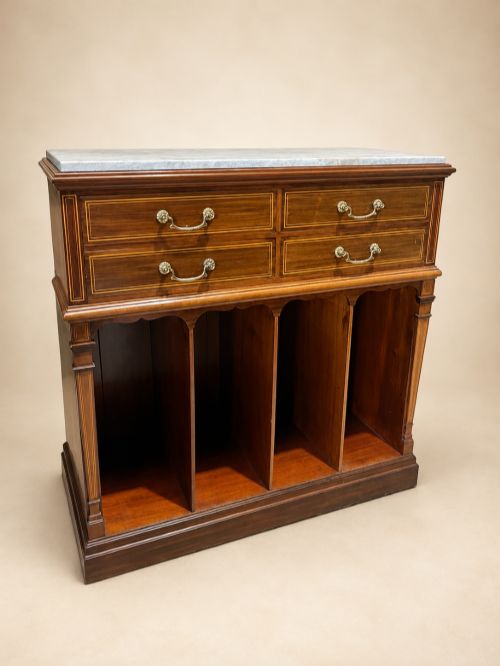
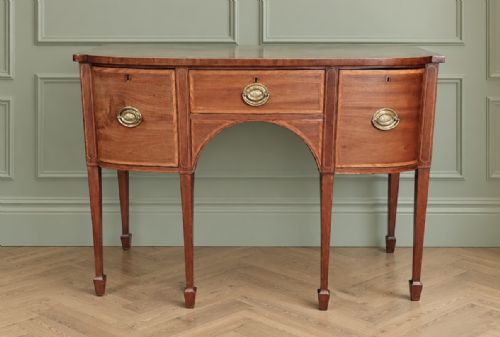
When you search for an inlaid wooden sideboard credenza, you encounter a substantial dining and display furniture group spanning the eighteenth, nineteenth, and early twentieth centuries. The selection centres primarily on mahogany, satinwood, and walnut pieces originating from the Georgian, Regency, and Victorian eras.
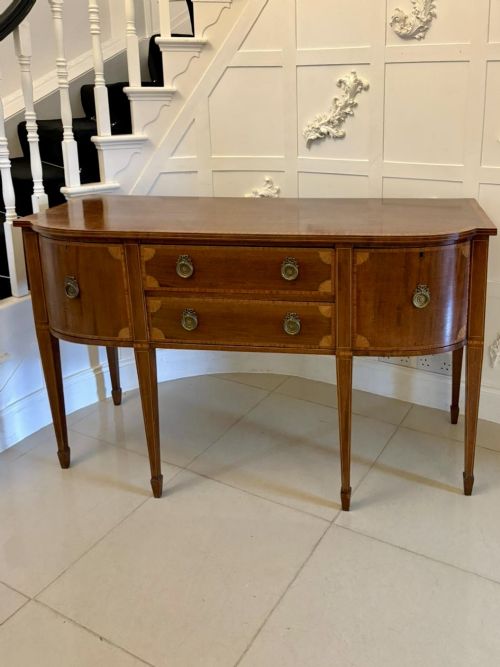
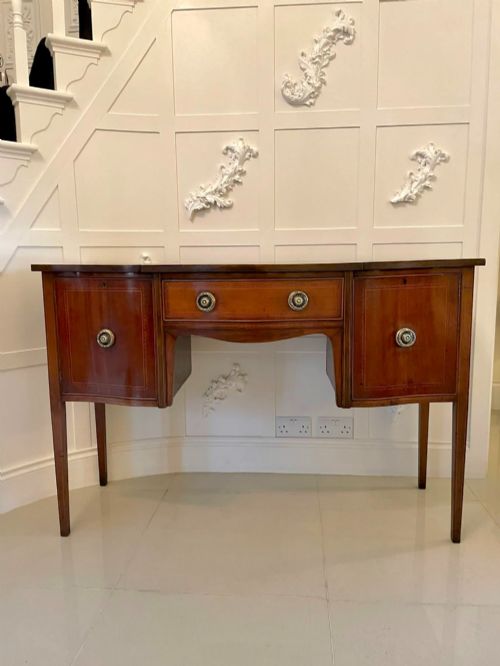
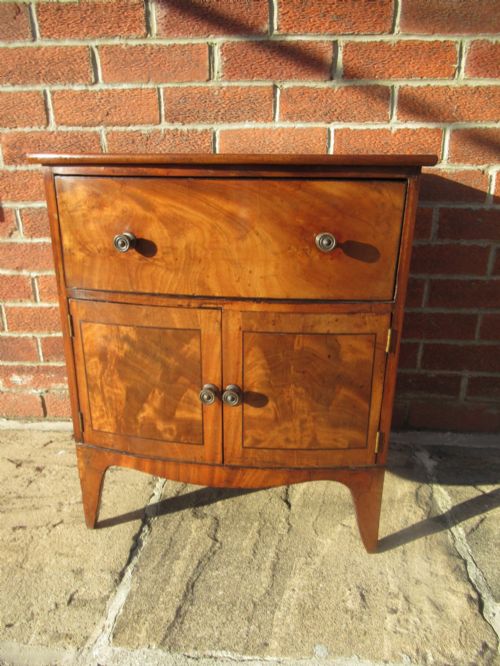
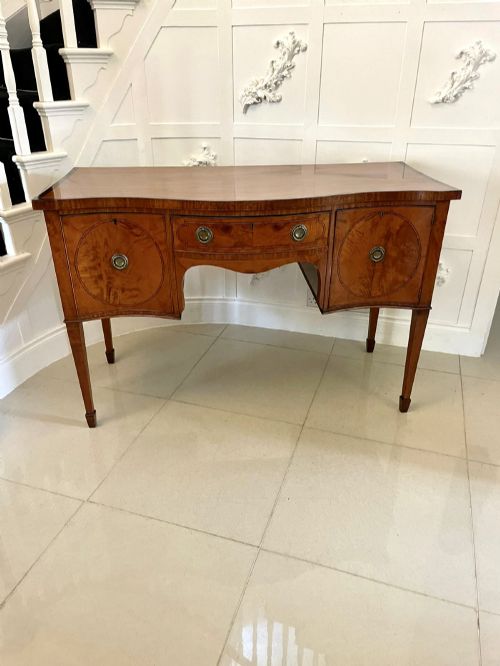
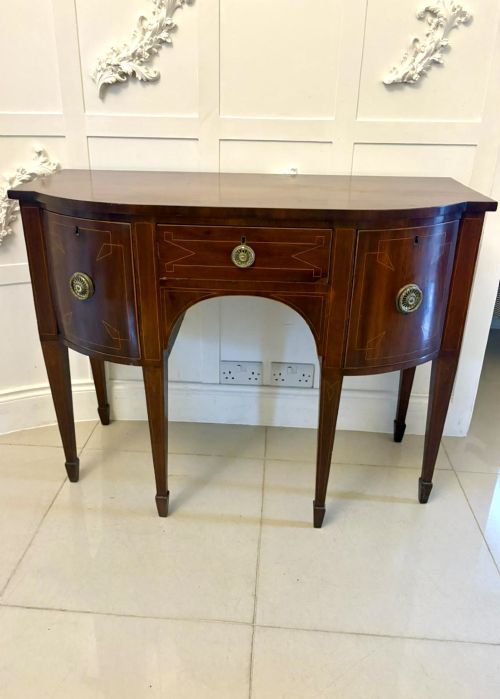
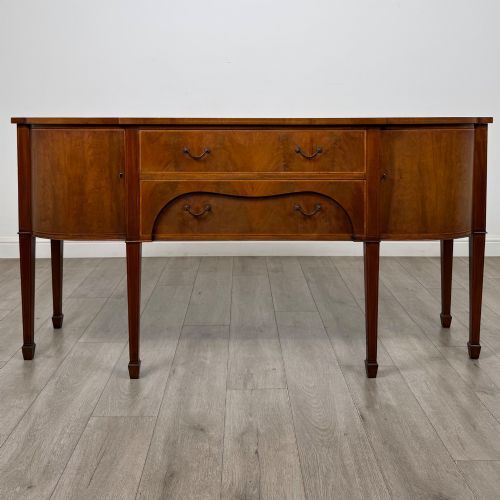
You frequently meet bow-front and serpentine forms alongside traditional rectangular sideboards, alongside specific credenzas and side cabinets equipped with cupboards and drawers. Makers across the Georgian and Sheraton Revival periods applied contrasting wood veneers and delicate stringing to organise dining rooms and reception spaces.
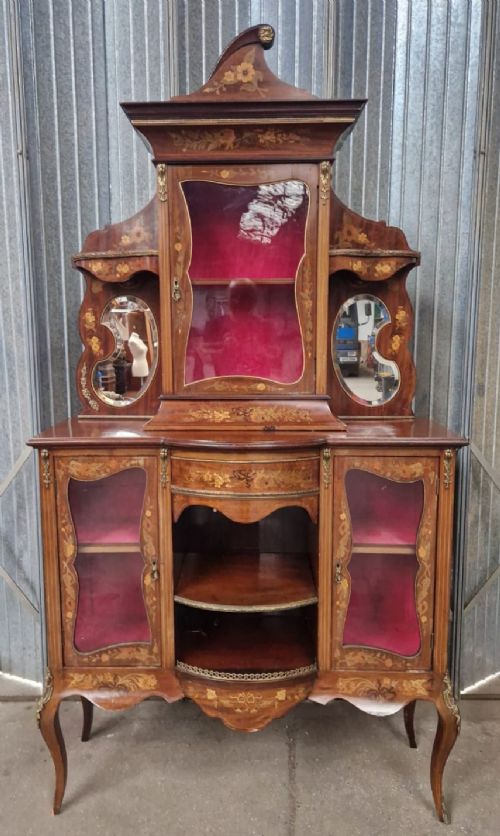
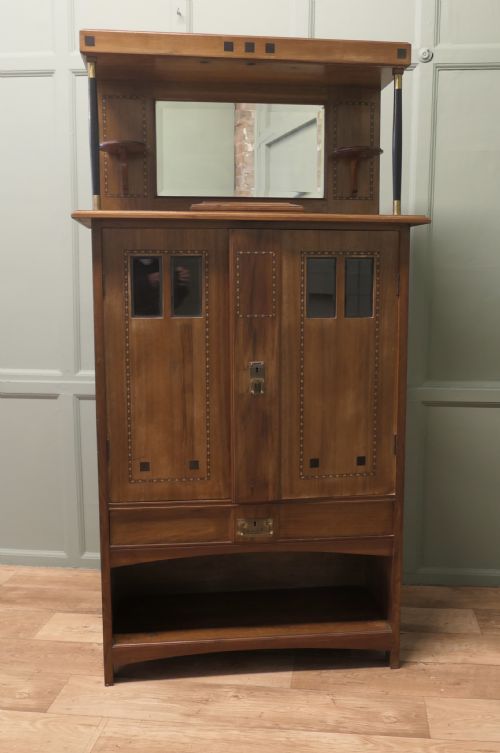
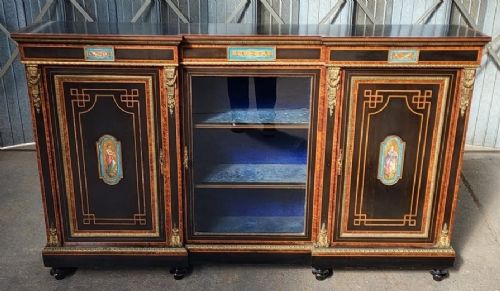
The assortment balances formal George III dining room servers with decorative Victorian burr walnut and marquetry credenzas intended for drawing rooms. Edwardian pieces maintain this heritage through lighter satinwood crossbanding and compact proportions suitable for varied domestic interiors.
Materials and construction techniques
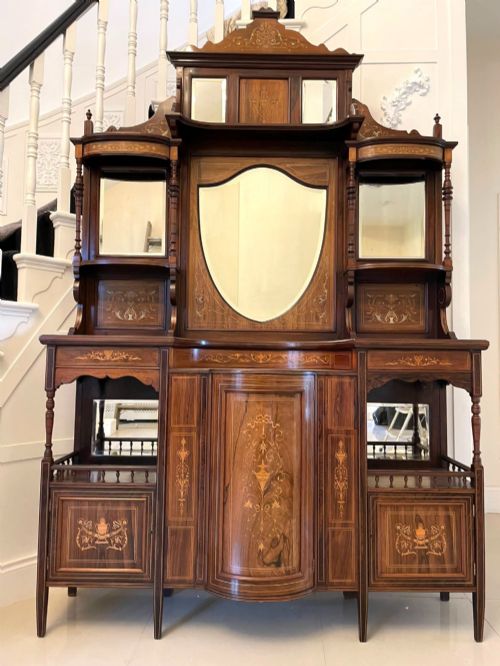
Cabinet makers built these pieces using solid timbers such as mahogany, walnut, and rosewood for structural integrity, often applying figured mahogany flames and burr walnut veneers to primary surfaces. They enriched these foundational woods with contrasting details in boxwood, satinwood, and fruitwood.
Surface decoration relies heavily on marquetry and intricate inlay, supplemented by brass stringing, ormolu mounts, and mother-of-pearl in specific Victorian and Regency examples. Joinery follows traditional cabinetry standards, accommodating curved serpentine and bow-front shapes through steam bending and segmented construction.
The listings span from seventeenth-century oak pieces through Georgian mahogany to Edwardian satinwood servers and cocktail cabinets.
Distinctions in execution and material selection
The highest tier is defined by the depth of figure in the timber, such as flame mahogany or burr yew, paired with crisp, symmetrical boxwood and satinwood inlay rather than painted imitation. Superior examples show meticulous alignment of grain across drawer fronts and cupboard doors.
Hardware and mounts also signal distinction, where original brass handles, locks, and cast ormolu details remain intact and properly fitted. The precision of the joinery around curved serpentine and bow-front edges separates workshop masterworks from standard commercial production.
The Inlaid Wooden Sideboard Credenza Glossary
- Credenza
- A low cabinet or sideboard, frequently featuring glass doors or marquetry, traditionally used for display and serving in Victorian drawing rooms.
- Serpentine
- A furniture front characterised by a gentle convex centre flanked by concave curves, requiring advanced woodworking skill.
- Marquetry
- Decorative patterns formed by fitting together contrasting veneers of wood, shell, or ivory onto a structural carcase.
- Crossbanding
- A narrow border of veneer laid around the perimeter of a panel with the grain running perpendicular to the centre.
- Satinwood
- A pale, hard wood with a natural sheen, prized for inlay and stringing during the Georgian and Sheraton Revival periods.
Inlaid Wooden Sideboard Credenza: Frequently Asked Questions
What is the difference between a sideboard and a credenza?
Sideboards traditionally served dining rooms to hold cutlery, linen, and serving dishes, while credenzas originated as lower display cabinets often featuring glass doors and elaborate marquetry for drawing rooms.
Over time, terminology overlapped as makers adapted forms for varied domestic spaces, though credenzas typically retain a more decorative, architectural presence.
How do I identify a Georgian inlaid sideboard?
Georgian pieces, particularly from the George III and Sheraton periods, rely on solid mahogany carcases with disciplined boxwood and satinwood stringing, tapered spade feet, and balanced proportions.
They avoid the heavier carving and darker ebonised finishes seen in later Victorian revivals, focusing instead on the natural grain of flame mahogany.
Where should I place a credenza at home?
These pieces suit dining rooms, living areas, or large hallways where their surface can hold lamps or decorative objects while providing substantial interior storage.
Ensure adequate clearance for doors or drawers to open fully, particularly on serpentine or bow-front models that project further into the room.
How do I care for antique inlaid wood?
Maintain stable humidity and temperature away from direct sunlight and heat sources to prevent timber from splitting and veneers from lifting.
Clean surfaces gently with a soft, dry cloth and apply occasional specialist wax polish sparingly to nourish the antique finish.