




Inlaid Wood Shelving
Inlaid wood shelving brings together rich timbers and delicate marquetry to create display pieces that anchor a room.
Inlaid Wood Shelving
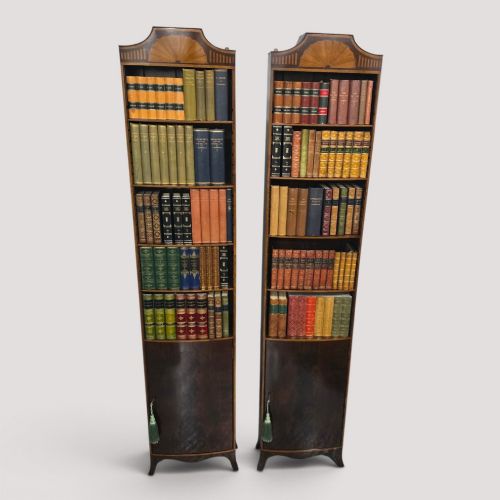
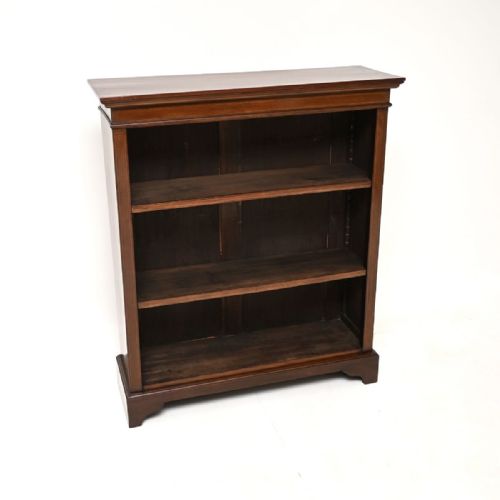
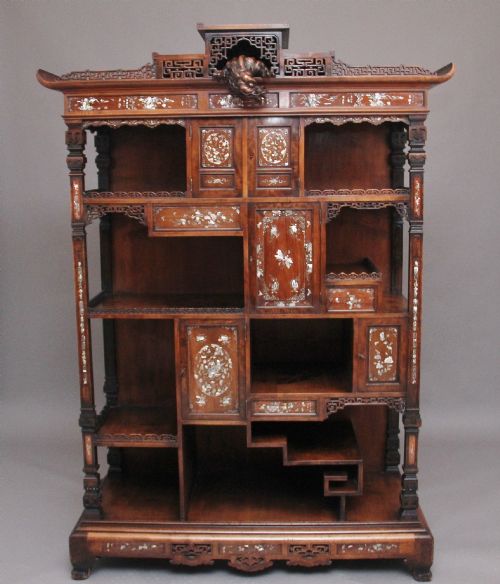
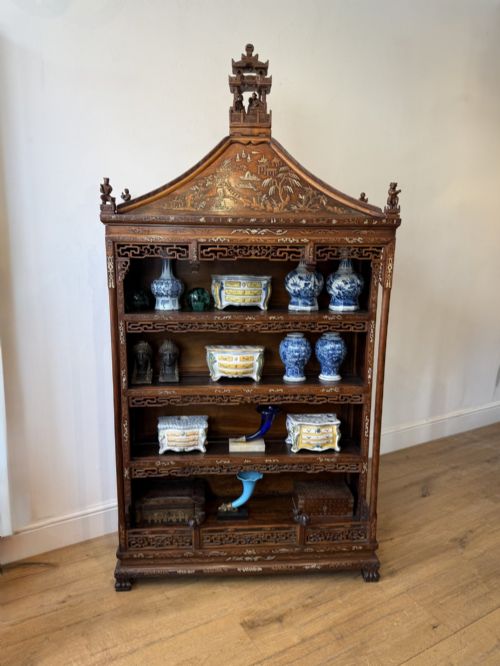
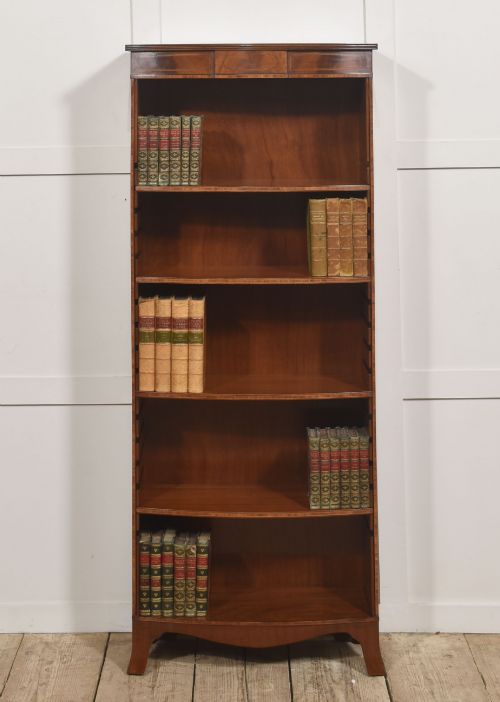
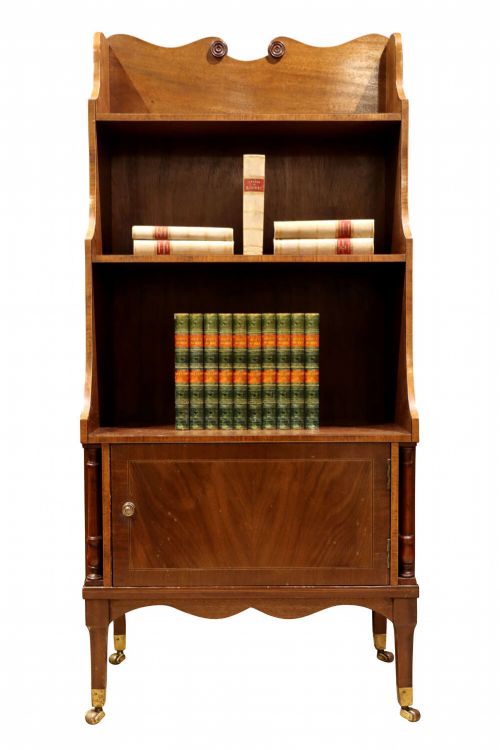
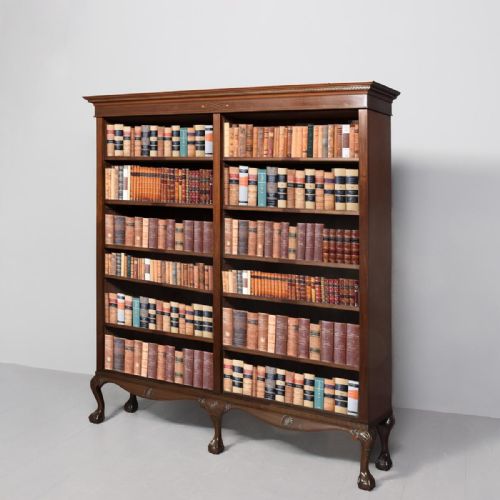
Inlaid wood shelving encompasses open bookcases, multi-tiered whatnots, corner stands, and hanging cabinets produced primarily across the nineteenth and early twentieth centuries. These functional furniture items combine storage with decorative display surfaces, often featuring rich timber grounds embellished with contrasting wood details.
Origins range from English cabinet workshops to French-influenced designs and specialised Sorrento productions. Each regional variation brings distinct timber choices and decorative motifs to the foundational shelf structure.
How they were made
Cabinet makers built these pieces using solid timbers such as mahogany, walnut, and rosewood, often applying fine veneers to structural carcases. Marquetry inlay and boxwood stringing were carefully fitted into recessed channels to create intricate surface patterns across shelves, friezes, and back panels.
Metal elements including brass mounts, castors, and gilt metal details were incorporated to reinforce corners and elevate mobility on larger floor-standing pieces. Glass doors and mirrored backs also appeared on cabinets and wall shelves to enhance light reflection within the display space.
Inlaid Wood Shelving Retail Price Guide 2026
Typical asking prices for inlaid wood shelving among the pieces listed under this phrase on Sellingantiques today, from the lower quarter to the upper quarter. They describe what is for sale here now, not the wider market.
What varies in quality
The standard of timber selection and the precision of the marquetry define the upper tier of these pieces. Fine examples display tightly figured grain, harmonious contrasts between woods, and crisp, flush inlay work that sits perfectly level with the surrounding surface.
Structural integrity and the quality of secondary framing timber separate workshop standards. Superior pieces maintain rigid joints, substantial backboards, and well-cast brass hardware that integrate seamlessly into the original cabinet design.
The Inlaid Wood Shelving Glossary
- Marquetry inlay
- Decorative patterns formed by fitting contrasting veneer pieces into a prepared wood ground. This technique creates pictorial or geometric designs across cabinet doors and shelf friezes.
- Etagere
- A set of open tiered shelves designed for displaying ornaments and small objects. These pieces often feature three or four levels supported by turned or pillar uprights.
- Whatnot
- A freestanding piece of furniture composed of multiple open shelves for books or ornaments. Victorian examples frequently utilise walnut or mahogany with corner supports.
- Boxwood stringing
- Narrow inlaid lines of pale boxwood used to outline panels and drawer fronts. This linear detail provides subtle contrast against darker timbers like mahogany or walnut.
- Chiffonier
- A low sideboard or cabinet featuring shelves or a mirror superstructure. Nineteenth-century versions often incorporate brass mounts and glazed doors.
Inlaid Wood Shelving: Frequently Asked Questions
Where should I place an etagere?
Tiered etageres and corner stands work best in drawing rooms or studies where their open shelves can display collections of small objects and books. Their compact footprints allow them to utilise corner spaces effectively without crowding the floor.
Keep these pieces away from direct heat sources and strong sunlight to protect the polished timber and delicate veneer work from drying out over time.
How do I clean inlaid wood shelves?
Dust the surfaces regularly with a soft, dry cloth along the grain of the wood. Avoid using modern aerosol polishes or silicone sprays, which build up residue and dull the antique finish.
Apply a traditional beeswax sparingly once or twice a year to nourish the timber and maintain the soft sheen on the marquetry inlay.
Are these shelves suitable for heavy books?
Open bookcases and adjustable shelving units in mahogany or walnut handle standard book collections well. However, tiered whatnots and wall-hanging shelves are generally engineered for lighter display items rather than heavy volumes.
Check the wall fixings on hanging cabinets and the corner joints on etageres before loading them with heavy objects to ensure adequate structural support.
How can I tell Victorian from Edwardian pieces?
Victorian shelving often employs darker timbers like walnut and rosewood, featuring heavier proportions, bold mouldings, and intricate marquetry. These pieces lean towards formal, rich interior displays.
Edwardian examples frequently utilise lighter mahogany and satinwood finishes with Sheraton revival influences, presenting a cleaner, brighter aesthetic with restrained inlay work.