

Inlaid Wood Cupboard
An inlaid wood cupboard brings together rich timber surfaces and delicate contrasting bands of detail, offering practical storage with decorative presence.
Inlaid Wood Cupboard
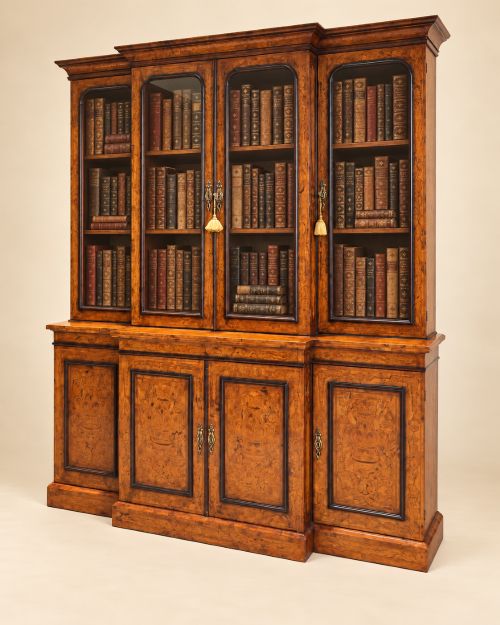
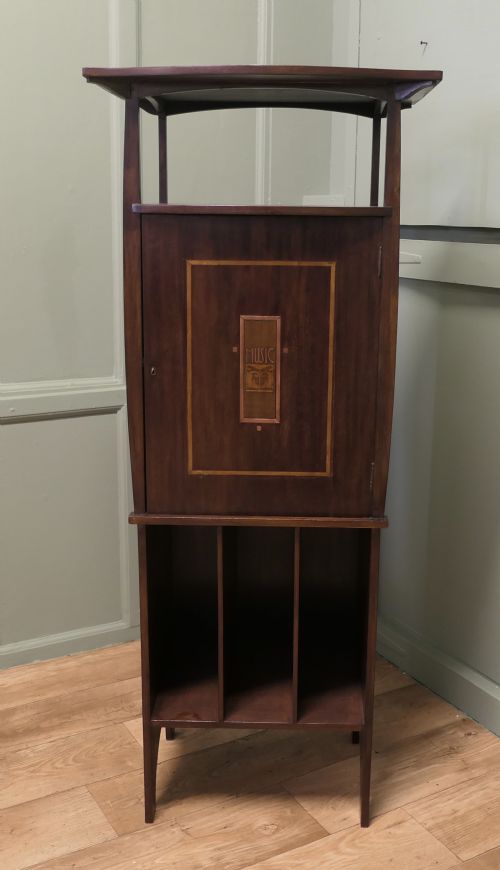
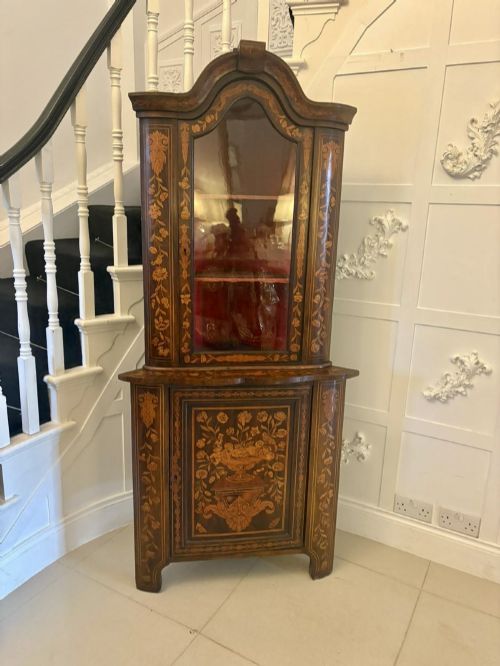
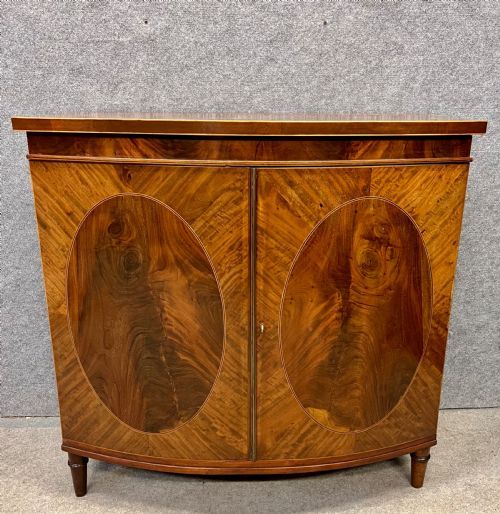
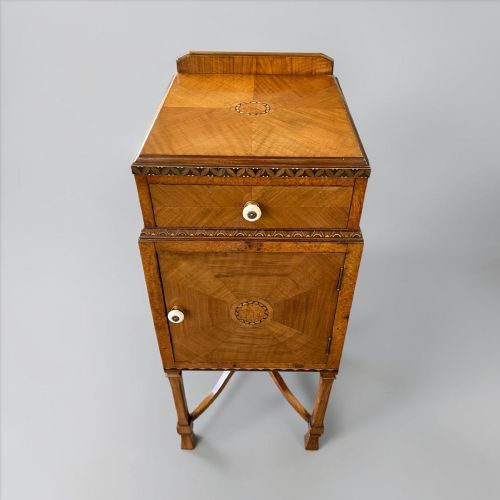
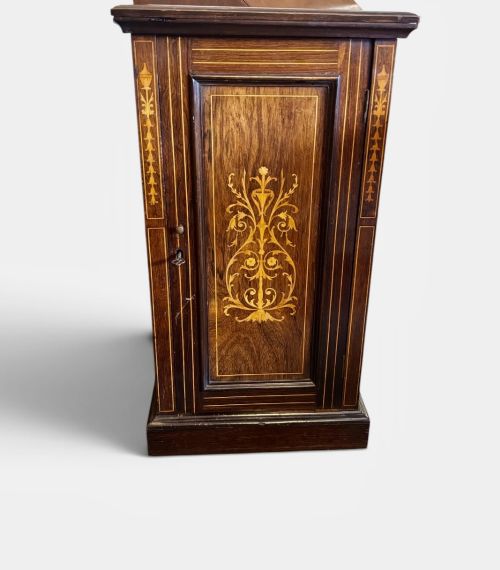
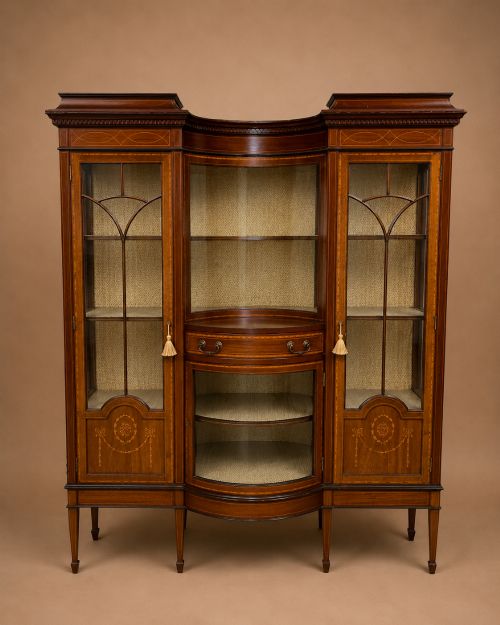
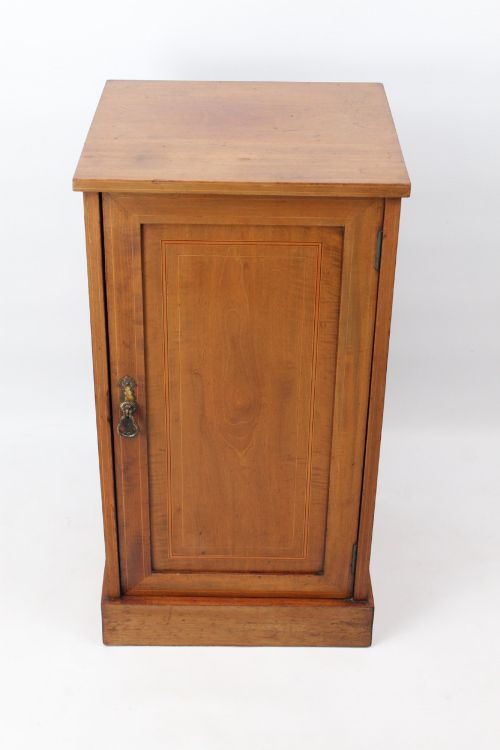
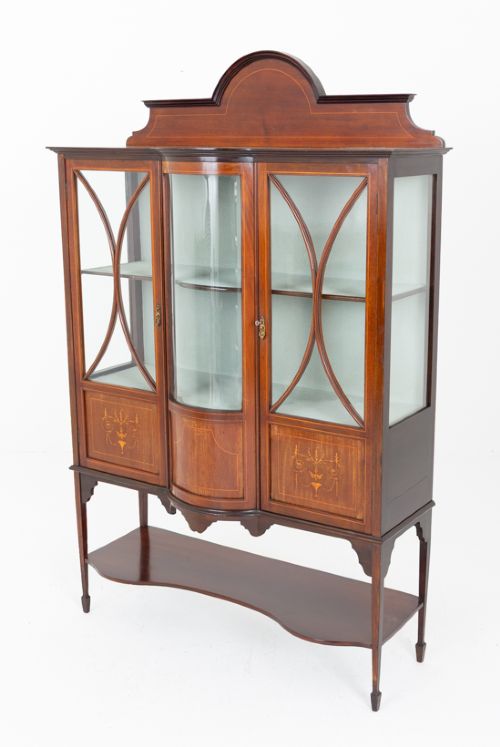
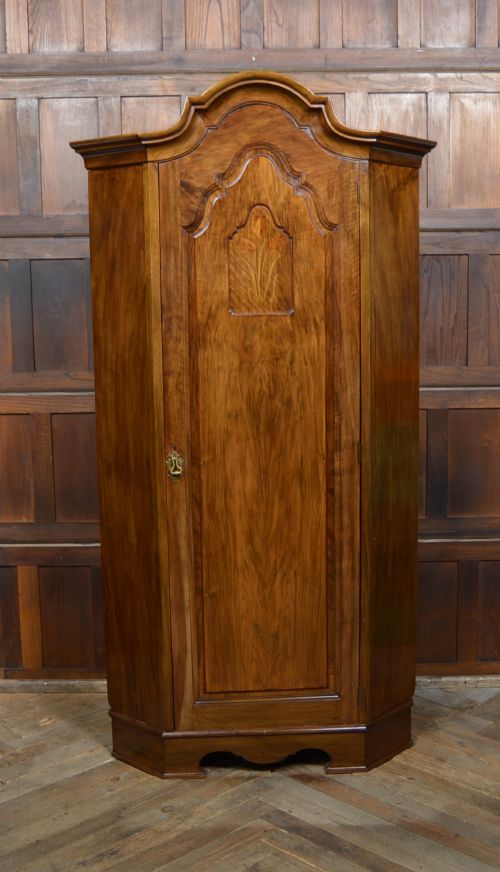
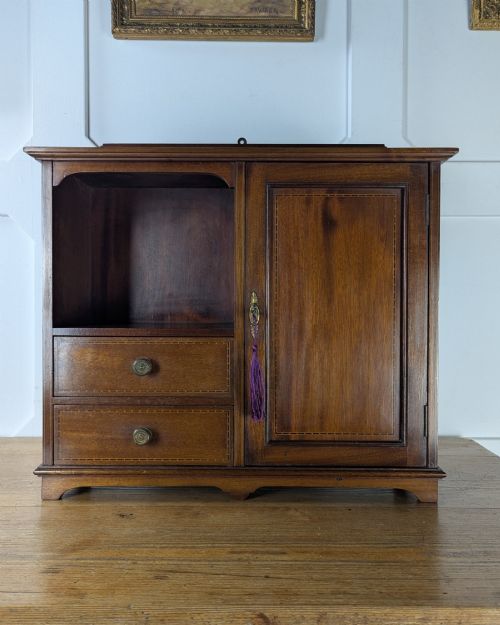
An inlaid wood cupboard encompasses everything from tall linen presses and corner cabinets to compact bedside furniture and display cases. The pieces span several centuries, with Georgian, Victorian and Edwardian examples forming the majority of the selection.
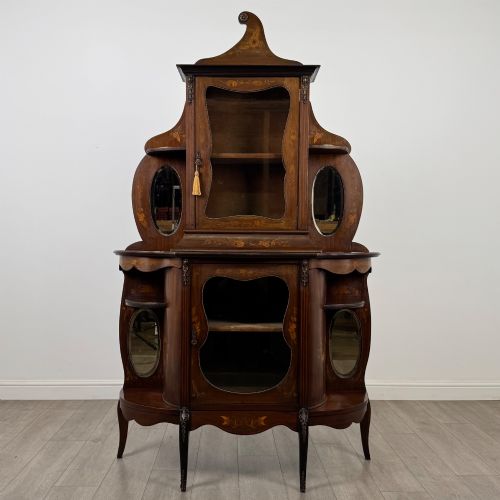
Makers utilised various primary timbers such as mahogany, walnut and rosewood, enriching the surfaces with contrasting satinwood or marquetry details. Forms range from freestanding floor models to wall-mounted corner cupboards and bedside tables.
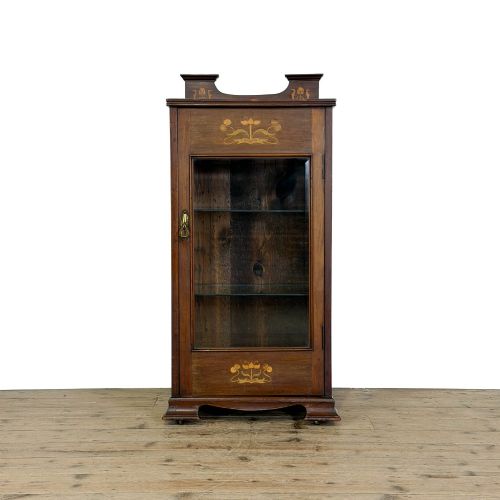
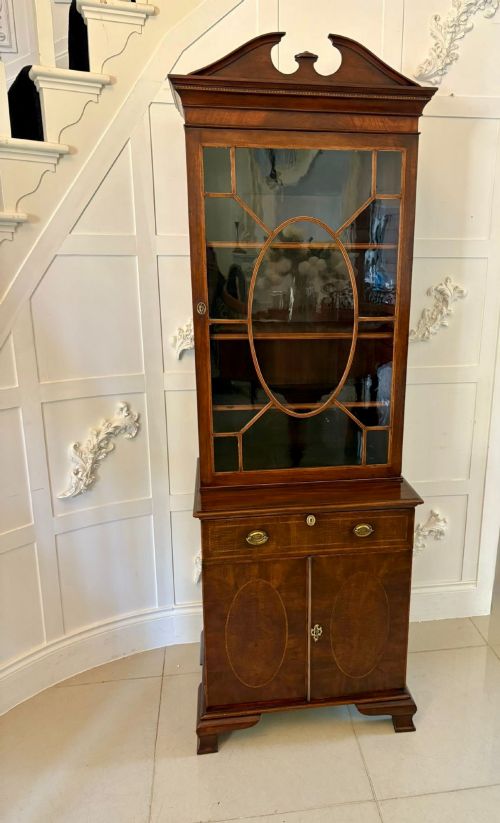
The selection reflects distinct stylistic revivals alongside period originals, capturing Georgian elegance, Sheraton Revival symmetry and Art Nouveau curves. Buyers frequently encounter glazed display versions and small bedside storage units among the available options.
How they were made
Craftsmen built these carcasses using solid hardwoods such as mahogany and oak, often applying fine veneers to create expansive flat surfaces. Brass hardware, glass panels and fabric linings supplemented the wooden structures on display cabinets and linen presses.
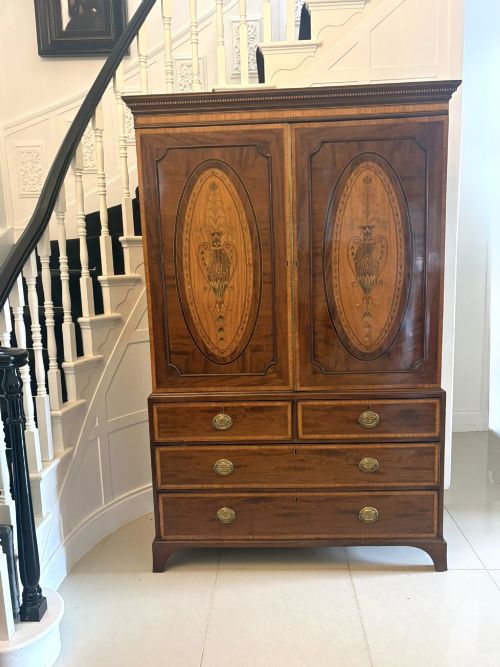
Decoration relied heavily on precise inlay work, slotting contrasting timbers like satinwood into precision-cut channels within the primary wood. Marquetry panels featured pictorial or floral compositions, whilst simpler lines used cross-banding to frame drawer fronts and doors.
Listings feature items spanning the eighteenth, nineteenth and twentieth centuries, incorporating mahogany, walnut, rosewood and satinwood alongside brass and glass elements.
What varies in quality
The sophistication of the timber selection and the precision of the inlay work dictate the standing of an individual piece. Subtle contrasts in grain direction and cleanly executed stringing demonstrate superior workshop practice.
Proportion and structural integrity separate standard utility items from more ambitious cabinet work. Well-balanced cornices, harmonious door panels and undamaged veneer surfaces reflect the original maker's skill.
GM Elwood for JS Henry·Morant and Co London·Louis Constantin Le Gaigneur
The Inlaid Wood Cupboard Glossary
- Inlay
- A decorative technique where pieces of contrasting wood, metal or shell are inserted into recess depressions flush with the surface. This method creates geometric patterns or pictorial scenes across doors and drawer fronts.
- Marquetry
- Elaborate veneer work forming decorative patterns, floral motifs or scenes using various coloured woods. It requires immense skill to cut and assemble the tiny wooden segments.
- Satinwood
- A lustrous yellow timber imported from the tropics, prized for its bright appearance and used extensively for inlay and banding. It provides a striking contrast against darker woods like mahogany and rosewood.
- Linen Press
- A tall piece of furniture featuring upper doors enclosing sliding trays for textiles, positioned above a chest of base drawers. Georgian and nineteenth-century examples often display fine mahogany and satinwood detailing.
- Astrigal
- A narrow moulding used to divide panes of glass in cabinet doors. These delicate wooden bars form geometric grids across bookcases and display cabinets.
Inlaid Wood Cupboard: Frequently Asked Questions
Where should an inlaid wood cupboard go?
Smaller bedside versions and corner cupboards fit neatly into tight bedroom spaces or unused room angles. Larger floor-standing display cabinets and linen presses require more wall space to showcase their timber grains.
Placing them away from direct sunlight protects delicate satinwood inlay and rosewood veneers from fading over time. Pairing them with complementary period furniture enhances their decorative impact within a room.
Can I use a corner cupboard for storage?
Corner cabinets provide surprisingly deep internal shelving for glassware, books or everyday items while utilising awkward room angles. Wall-mounted versions free up floor space in compact dining rooms or hallways.
Freestanding cupboard bases offer enclosed shelving beneath upper display sections. This combination conceals clutter while keeping cherished objects visible behind glass.
How do I date an inlaid wood cupboard?
Examining the secondary timbers inside drawers and behind back panels often reveals clues about the period of manufacture. Georgian pieces display hand-cut dovetails, while later nineteenth-century and Edwardian examples show more mechanical precision.
Stylistic markers such as Sheraton Revival motifs point toward the late Victorian or Edwardian eras. Maker stamps or labels, when present, provide definitive historical context.