
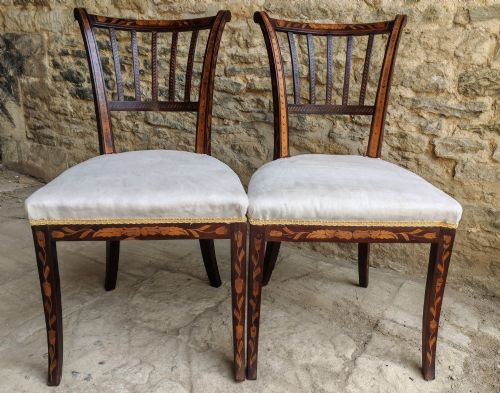
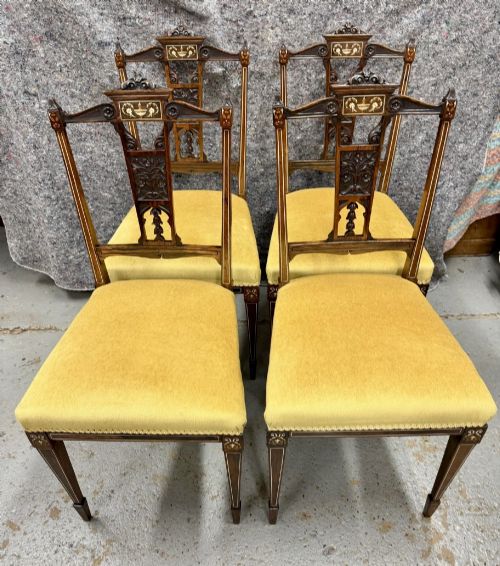


Inlaid Wood Accent Chair
An inlaid wood accent chair brings decorative marquetry and contrasting timber details into a room while providing a functional seat.
Inlaid Wood Accent Chair
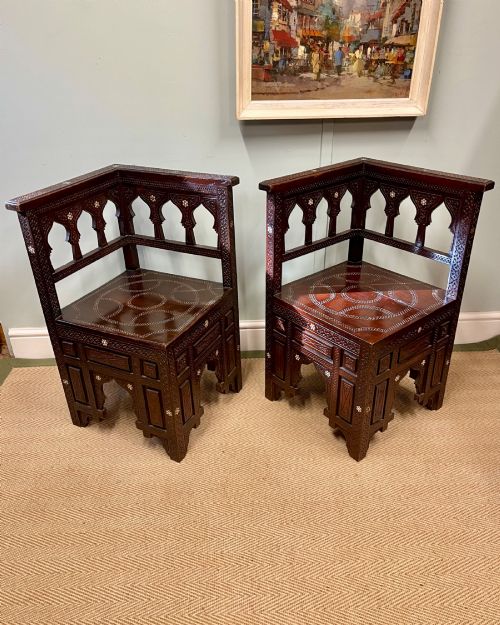
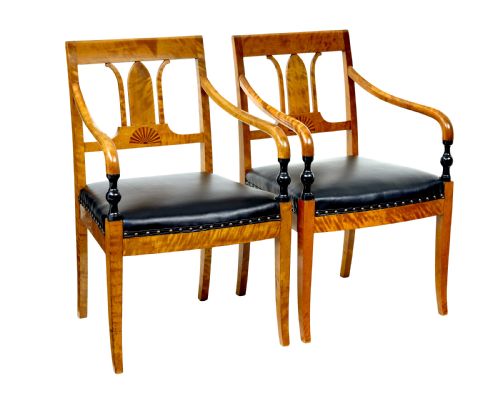
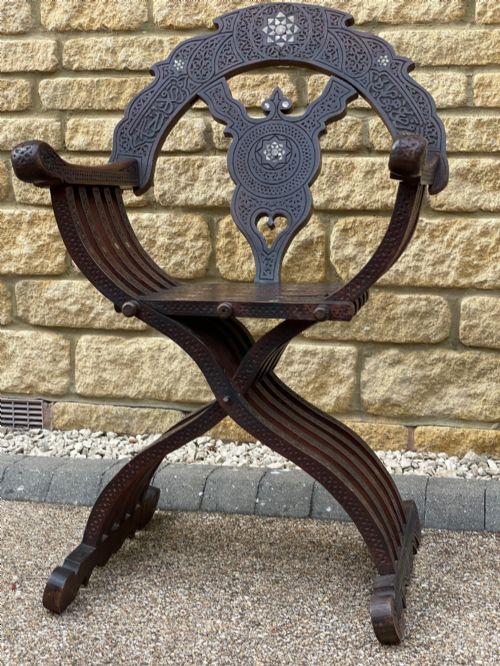
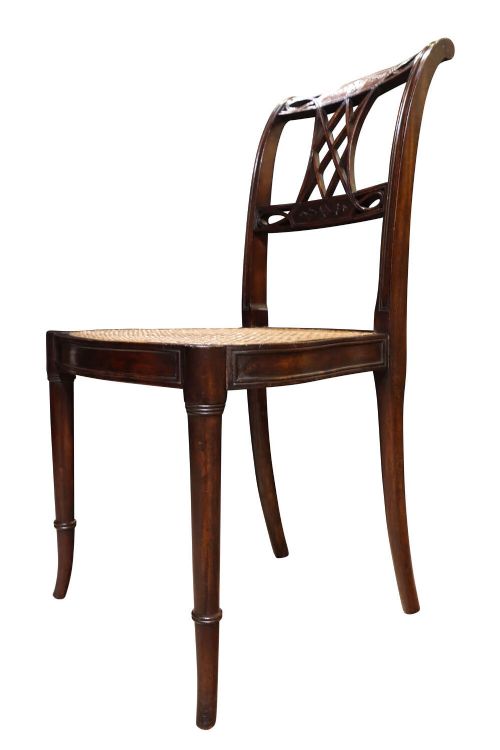
An inlaid wood accent chair encompasses various seating forms designed to catch the eye through ornamental surface decoration rather than heavy upholstery alone. You will find pieces originating from the Edwardian period, the nineteenth century, the Georgian era, and the nineteen-thirties.
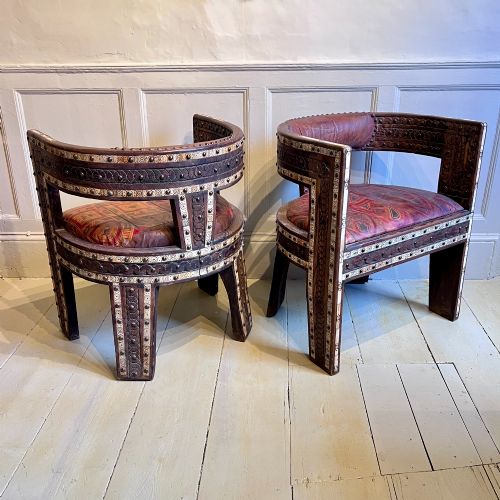
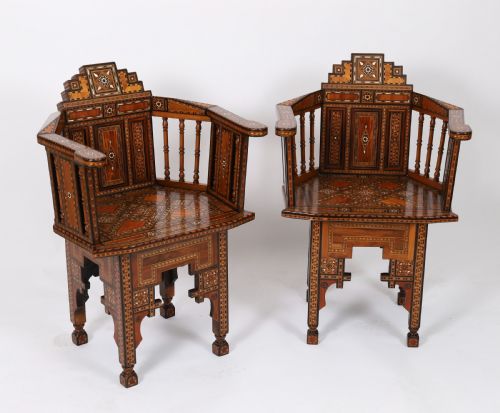
The selection ranges from bedroom chairs and occasional armchairs to salon seating and elbow chairs. Many examples incorporate specific stylistic influences such as Sheraton Revival, Art Nouveau, Syrian Ottoman, and Moorish designs.
Mahogany, rosewood, and walnut form the primary wooden structures for these chairs. These timbers provide a dark or rich ground that allows lighter decorative inlays to stand out clearly.
How they were made
Cabinetmakers constructed the frames of these chairs using solid hardwoods like mahogany, walnut, rosewood, and beech. Joinery methods varied from traditional mortise and tenon joints to bentwood and folding mechanisms found in Levantine and Islamic pieces.
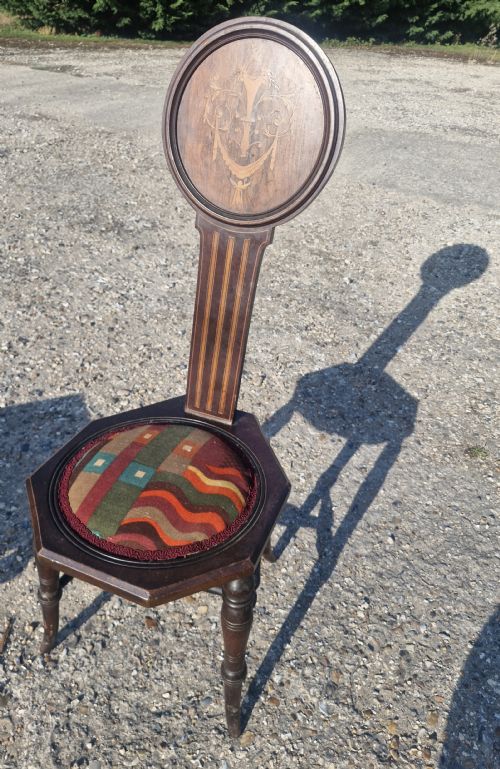
Wood inlay techniques involved cutting precise recesses into the primary timber to receive contrasting materials such as boxwood and satinwood. Artisans also utilised brass wire and mother of pearl to build up complex geometric patterns, floral motifs, and marquetry pictorial scenes.
Surfaces were frequently finished with cane seating inserts, leather upholstery, or patterned fabric coverings. These textile and organic additions complemented the intricate woodwork visible on the backs and rails.
One listed armchair incorporates a built-in musical movement, turning a standard nineteenth-century seat into a melodic parlour curiosity.
What varies in quality
The precision and complexity of the inlay work distinguish finer examples from simpler production. Sharp, tight junctions between the contrasting woods and the base timber indicate skilled craftsmanship, whereas careless fitting leaves noticeable gaps filled with dark stopping.
The choice of primary timber and secondary decorative woods alters the visual depth of the piece. Selected cuts of mahogany or figured rosewood paired with crisp boxwood and satinwood lines elevate the overall presence of the chair.
The structural integrity of the frame and the retention of original elements determine the condition and merit of each piece. Chairs that retain their original cane work, upholstery style, and complete brass or mother of pearl components hold greater historical consistency.
The Inlaid Wood Accent Chair Glossary
- Marquetry
- Decorative veneer applied to a furniture structure to form pictures or ornamental patterns. It differs from simple inlay by covering the entire surface in fitted pieces of wood.
- Satinwood
- A durable, yellowish timber native to India and Ceylon. Cabinetmakers utilised it for contrasting stringing and lighter panels within darker mahogany frames.
- Boxwood
- A dense, pale yellow wood frequently employed for fine stringing and delicate floral inlays. Its uniform grain allows for precise cutting.
- Sheraton Revival
- A late nineteenth and early twentieth century design movement that reinterpreted the elegant, classical furniture styles of the late eighteenth century. These pieces often feature painted details alongside fine wood inlay.
- Parquetry
- Geometric mosaic woodwork used for floors and furniture surfaces. It creates repeating patterns utilising various wood types.
Inlaid Wood Accent Chair: Frequently Asked Questions
Where should I place an accent chair?
An accent chair functions well in a bedroom, hallway, or corner of a living room where extra seating is required without cluttering the floor space. These chairs offer a decorative focal point while remaining light enough to move between rooms.
Because many examples feature detailed woodwork or cane seats, placing them away from direct heat sources and strong sunlight protects the timbers and inlay work from drying out.
How do I care for inlaid wood?
Dusting the chair regularly with a soft, dry cloth prevents dirt from settling into the micro-joints of the inlay work. Avoid using modern silicone polishes, as they build up residue over time and can loosen historical veneers.
Maintaining a stable room temperature and humidity level prevents the wood from expanding or contracting, which helps keep the delicate boxwood and satinwood inlays secure within their channels.
How can I identify an Edwardian inlaid chair?
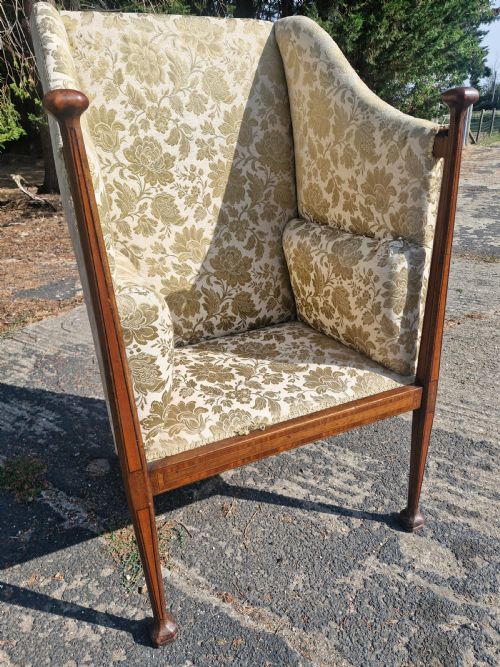
Edwardian chairs frequently utilise lightweight mahogany frames decorated with contrasting satinwood and boxwood stringing. They often draw inspiration from earlier Georgian and Sheraton Revival styles while incorporating lighter proportions.
Many pieces from this era combine carved or pierced splats with floral marquetry motifs on the top rail or back panel, reflecting the mass production capabilities and decorative preferences of the early twentieth century.