

Inlaid Victorian Mirror
An inlaid victorian mirror brings contrasting woods and glass together into a striking nineteenth-century focal point.
Inlaid Victorian Mirror
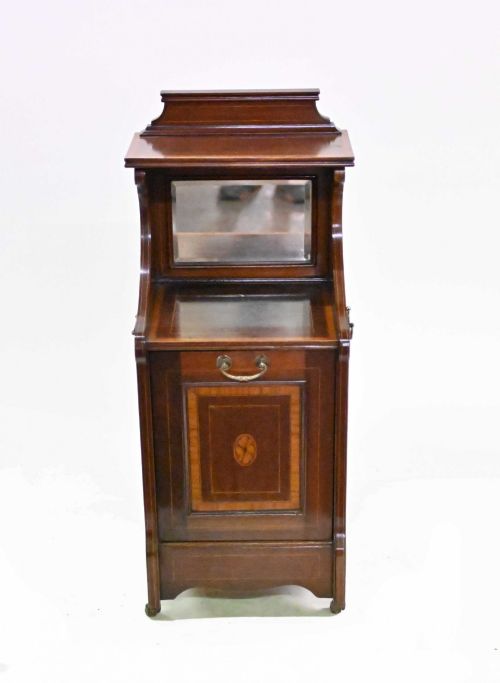
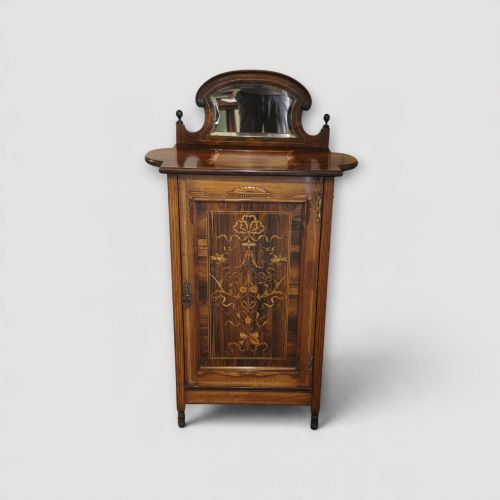
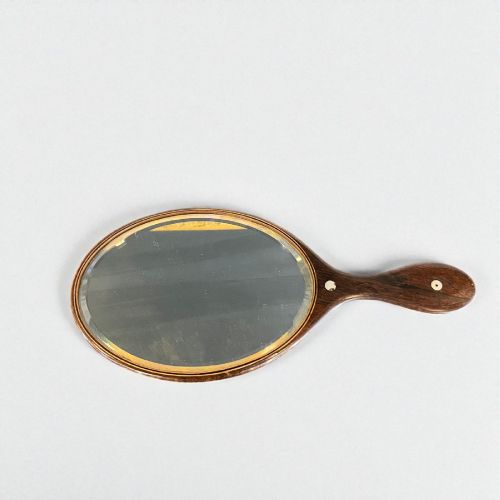
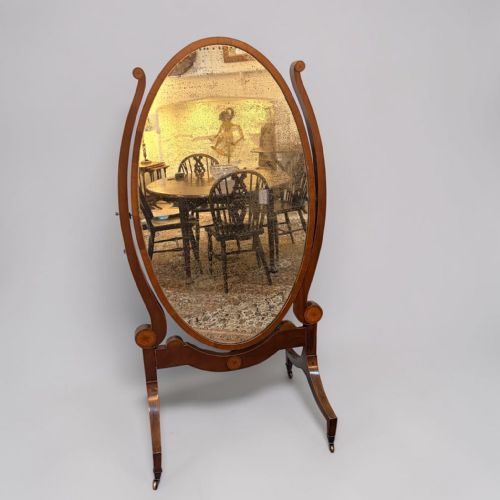
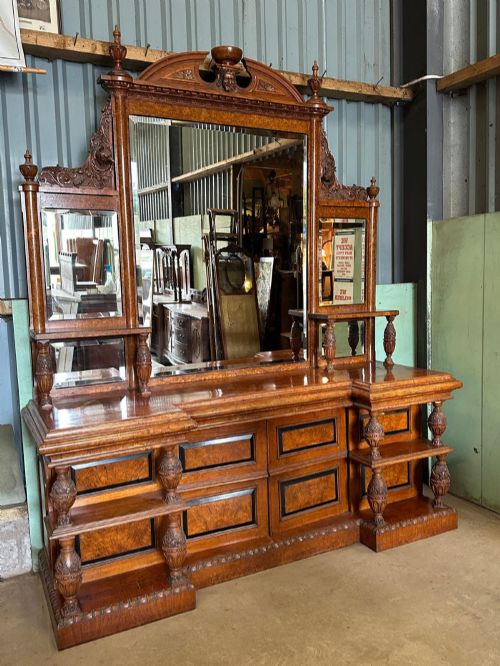
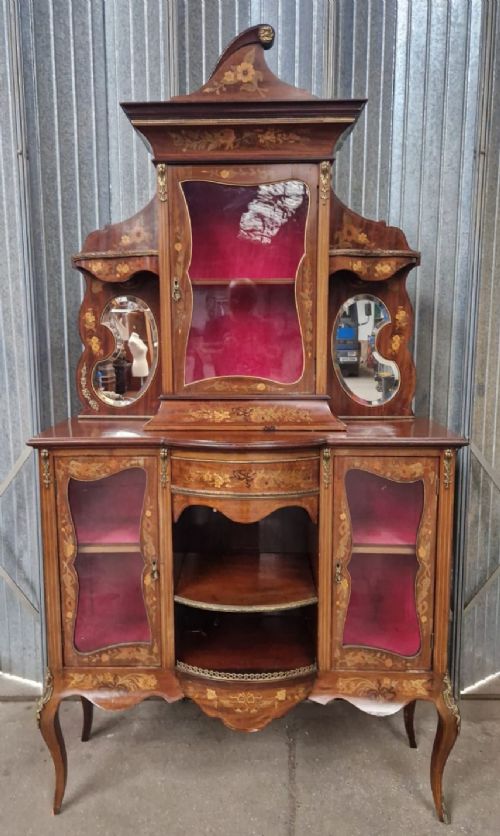
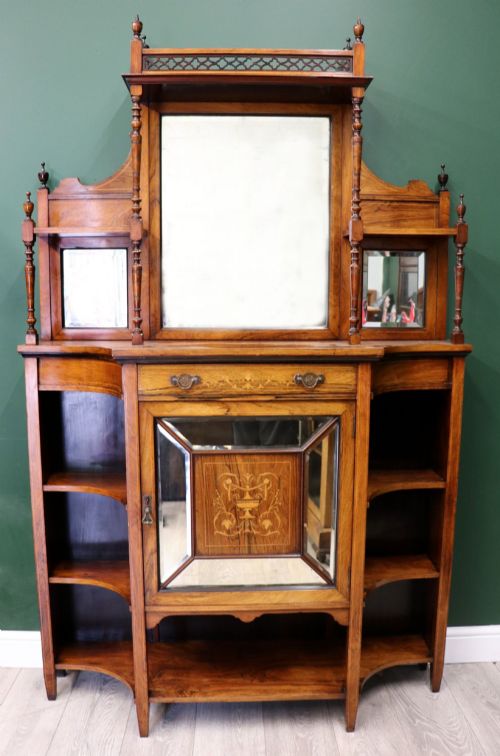
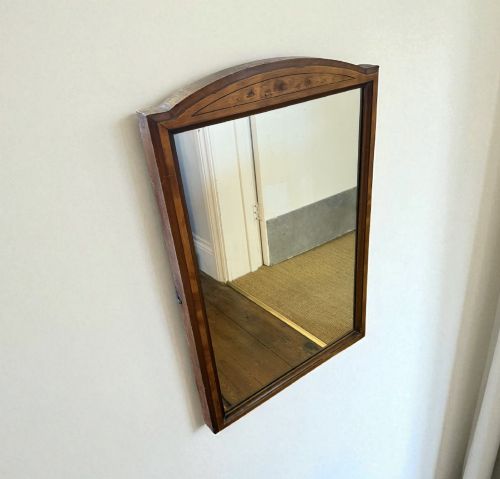
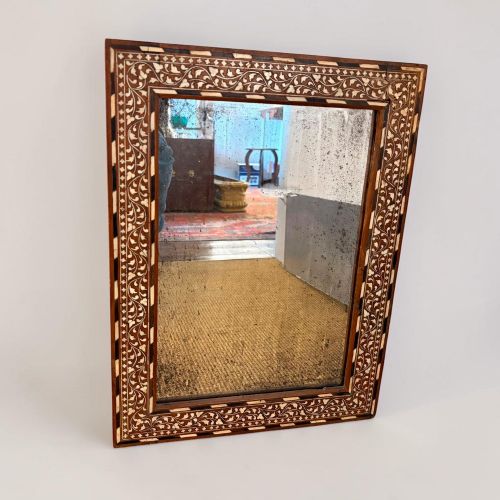
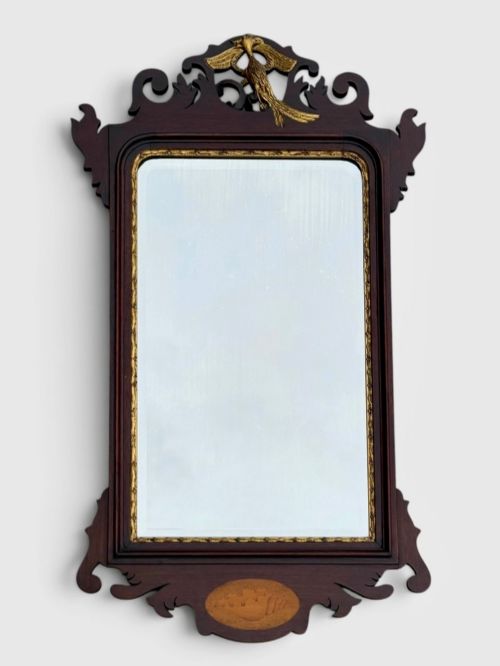
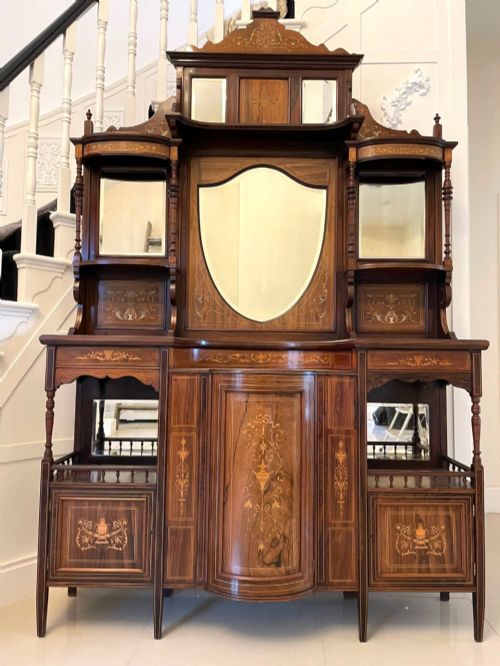
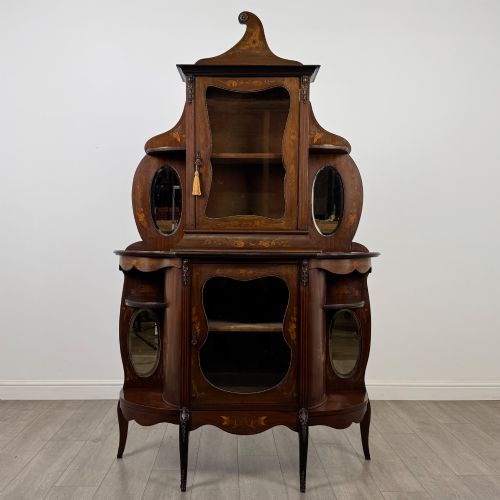
An inlaid victorian mirror spans wall-hanging glass, overmantels designed for the mantelpiece, and floor-standing cheval mirrors. Makers during this era incorporated marquetry and contrasting timber stringing into frames of varying scale.
The selections here frequently pair rosewood, walnut, or mahogany with lighter satinwood inlay. Pieces range from compact bedroom looking glasses to grand architectural overmantels intended for principal reception rooms.
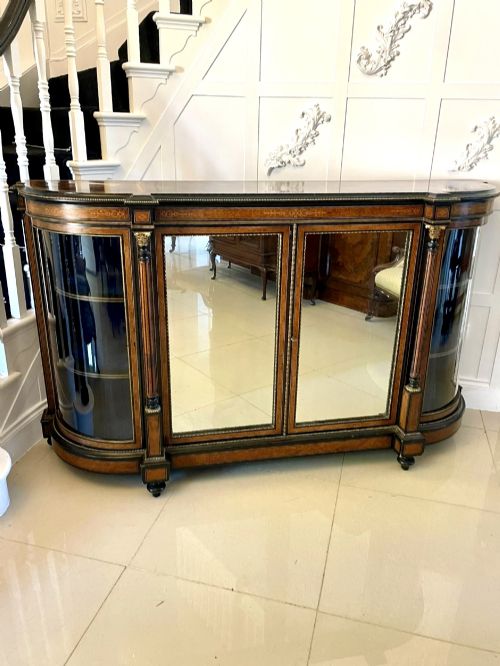
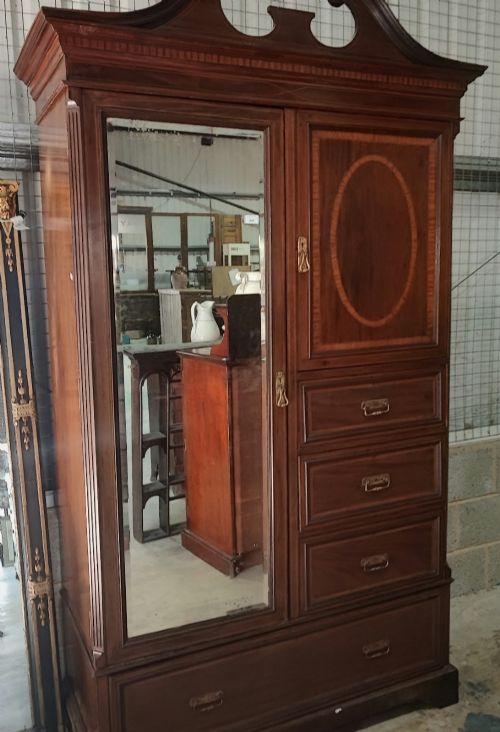
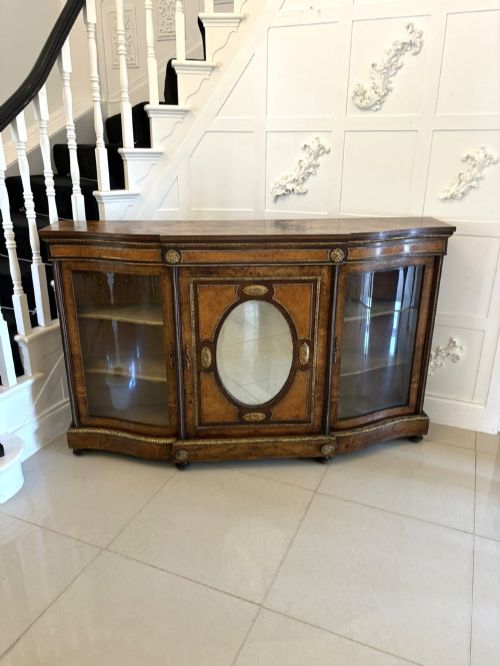
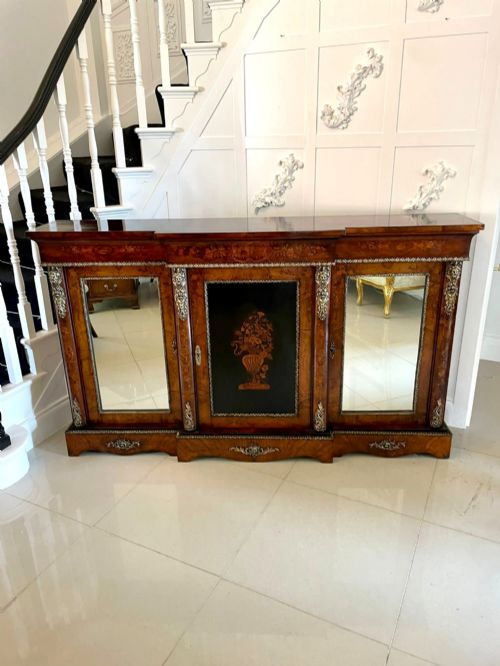
Beyond standalone looking glasses, many items integrate mirrors into larger furniture forms such as wardrobe doors, sideboard backs, and dressing tables. These composite pieces reflect the nineteenth-century preference for combining utility with decorative cabinetwork.
How they were made
Cabinetmakers constructed the foundational frames using dense timbers like mahogany, rosewood, and burr walnut, often applying distinct grains to achieve visual depth. Artisans then recessed contrasting veneers, including satinwood and lighter fruitwoods, directly into the primary wood surface.
Marquetry panels within the frames required precise hand-cutting of diverse wood veneers to form floral or geometric motifs. Traditional joinery techniques secured the heavy glass plates safely within the decorated wooden surrounds.
Inlaid Victorian Mirror Retail Price Guide 2026
Typical asking prices for inlaid victorian mirror among the pieces listed under this phrase on Sellingantiques today, from the lower quarter to the upper quarter. They describe what is for sale here now, not the wider market.
Listings feature mahogany, rosewood, and burr walnut frames decorated with marquetry and satinwood inlay.
What varies in quality
The refinement of the marquetry work and the choice of primary timber distinguish exceptional examples from standard production. Finely figured burr walnut or richly grained rosewood combined with intricate satinwood stringing demonstrates superior workshop execution.
Proportion and frame depth also determine the grade of a piece, with robust mouldings and well-balanced dimensions indicating higher craftsmanship. Original brass fittings, bevelled mirror glass, and stamped maker attributions further elevate the standing of an individual mirror.
Edwards and Roberts·Collinson & Lock·Gillows·Maple & Co
The Inlaid Victorian Mirror Glossary
- Marquetry
- Decorative veneer work assembled to form pictorial or geometric patterns on a wooden surface. Craftsmen cut thin slices of different timbers and fitted them together like a puzzle before gluing them to the carcase.
- Overmantel mirror
- A wide looking glass specifically designed to sit on top of a fireplace mantel. These pieces often feature extended bases and elaborate frames to anchor the domestic hearth.
- Cheval mirror
- A freestanding full-length looking glass hung on vertical pivots within a frame. This design allows the glass to tilt to various angles.
- Stringing
- Thin lines of contrasting wood inlay used to outline panels and drawers. It creates a crisp linear border around the primary timber.
- Ormolu
- Gilded bronze mounts applied to furniture and mirror frames for decoration. This technique adds metallic highlights to the wooden structure.
Inlaid Victorian Mirror: Frequently Asked Questions
How do I hang a heavy overmantel mirror?
Heavy nineteenth-century wall and overmantel mirrors require secure fixings directly into structural wall studs or masonry using appropriate steel brackets. Distributing the weight evenly across multiple points ensures the frame remains stable.
Because these antique frames incorporate dense timbers and thick glass, professional installation is often advisable to protect both the wall and the piece.
Are these mirrors suitable for bathrooms?
Original nineteenth-century mirrors feature silvered glass and polished wooden frames that are sensitive to persistent moisture and humidity. Placing them in damp environments can damage the silver backing and cause the veneer to lift.
Dry interior rooms such as hallways, bedrooms, and reception spaces provide the stable climate required to preserve the materials.
How do I clean the wooden frame?
Dust the inlaid wooden surfaces gently with a soft, dry cloth to prevent accumulation without disturbing the delicate veneer. Avoid using modern chemical polishes or water, which can penetrate old finishes and loosen the glue beneath the marquetry.
Occasional application of traditional beeswax helps nourish the timber and maintain the natural lustre of rosewood or walnut.
What is the difference between an overmantel and a wall mirror?
Overmantel mirrors are traditionally proportioned to rest horizontally upon a fireplace mantelpiece, often featuring architectural styling designed to complement the hearth. Standard wall mirrors are built to hang independently at various heights across a room.
Both forms utilise similar inlay techniques, but their intended placement dictates their overall shape and scale.