


Inlaid Small Tables
Inlaid small tables bring warmth and useful surface area to a room, ranging from Edwardian mahogany lamp tables to Victorian walnut occasional pieces.
Inlaid Small Tables
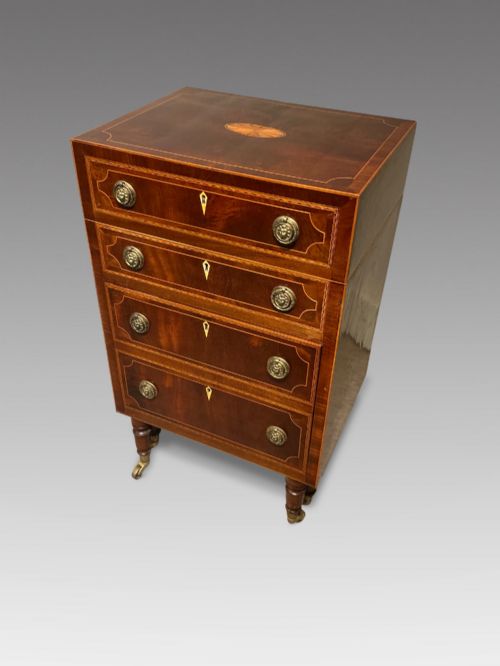
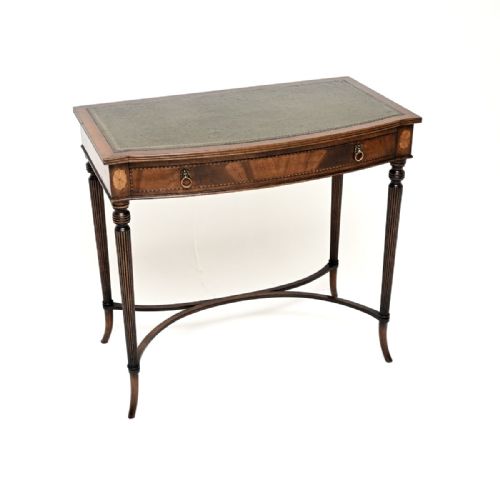
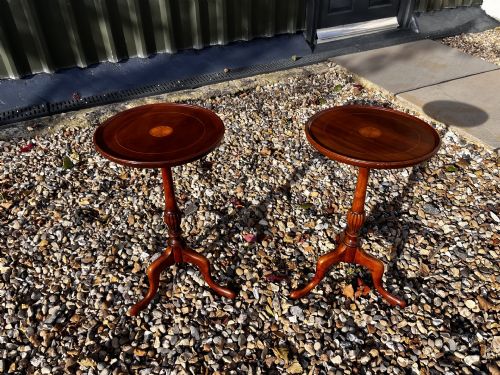
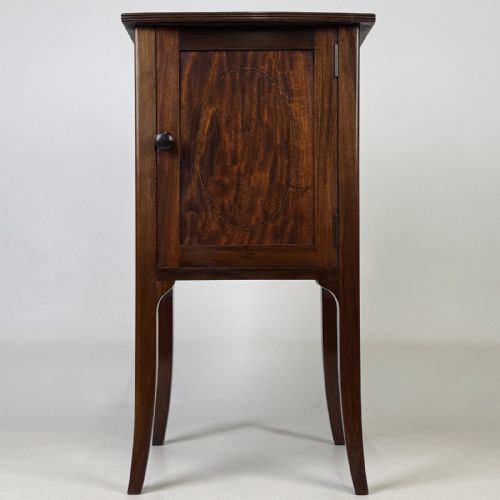
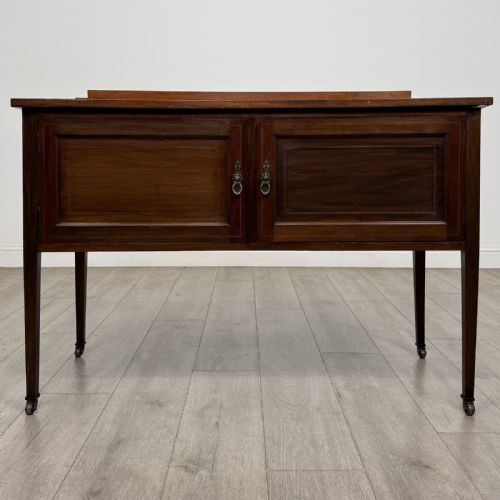
When you search for inlaid small tables, you encounter a wide variety of compact furniture designed for specific domestic tasks. The selections span occasional tables, wine tables, bedside cabinets, and small desks originating mainly from the Victorian and Edwardian periods, alongside eighteenth-century examples.
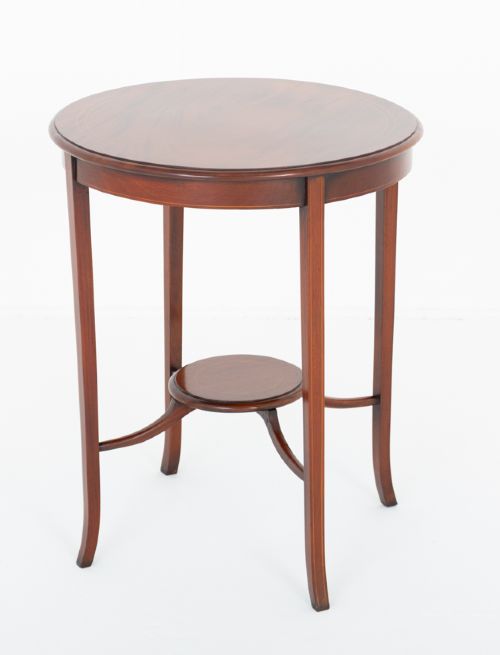
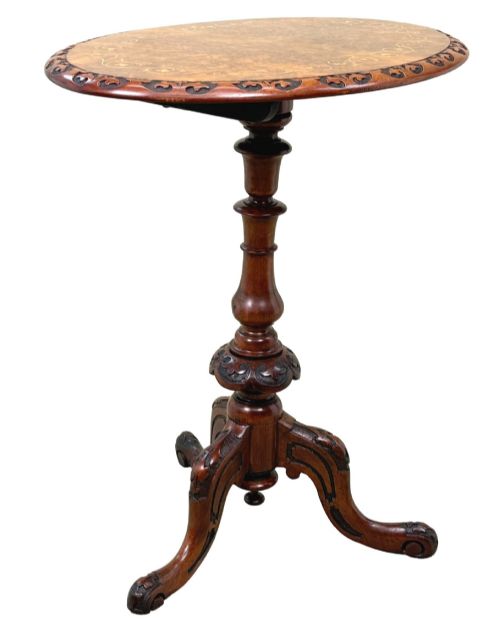
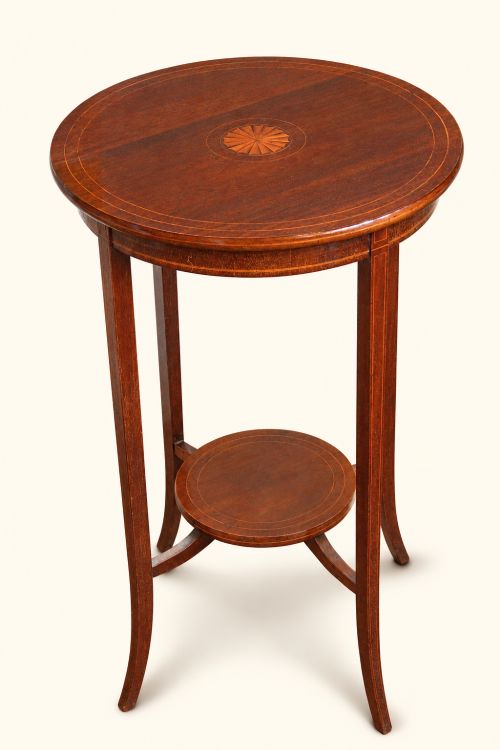
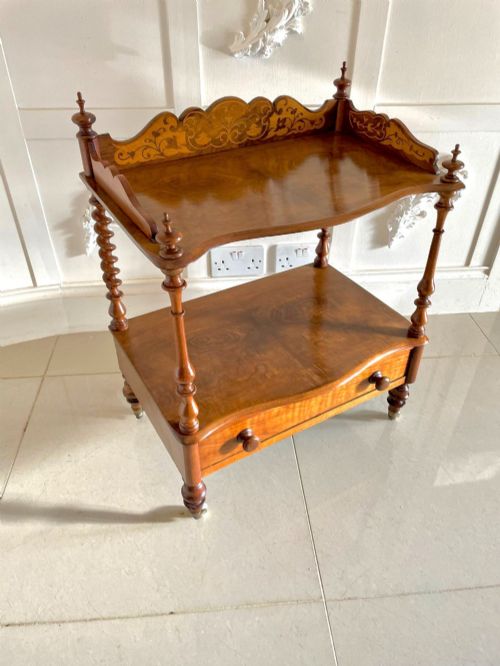
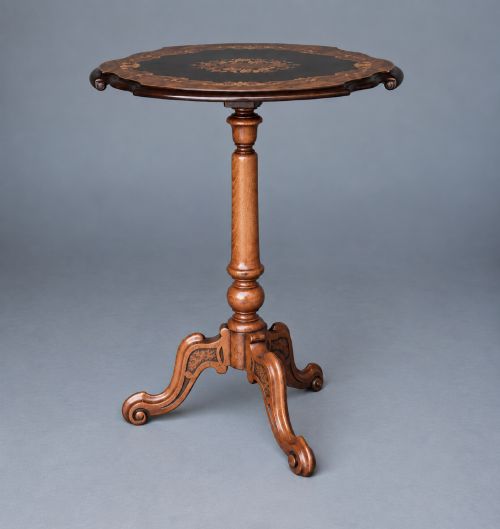
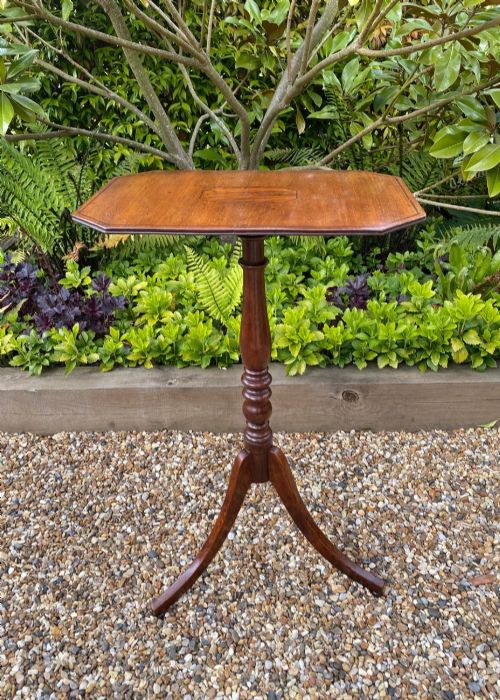
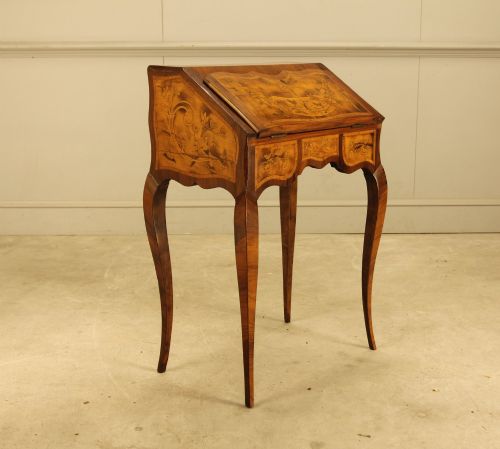
Mahogany and walnut form the structural backbone of these pieces, often enriched with satinwood, rosewood, and boxwood details. You find round, oval, and octagonal tops supported by tapered legs or tripod bases, reflecting stylistic revivals such as Sheraton, Louis XV, and Syrian Ottoman designs.
Materials and construction
Cabinet makers utilised solid timbers and selected veneers such as burr walnut, burr birch, and mahogany to construct the carcase and tabletops. These primary woods provide stability while offering rich grain patterns that complement the decorative work on the surface.
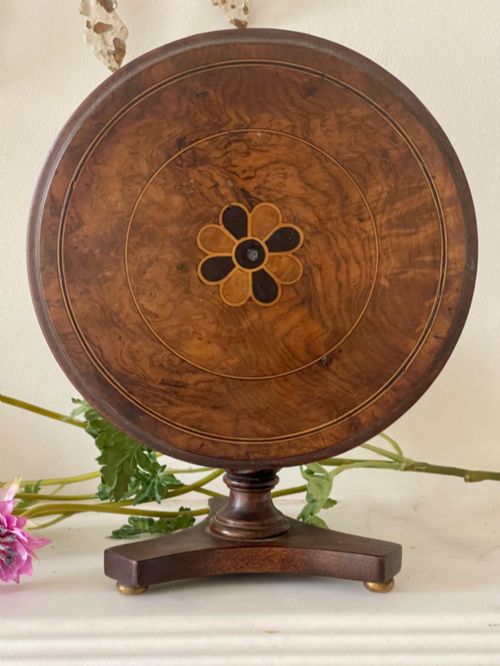
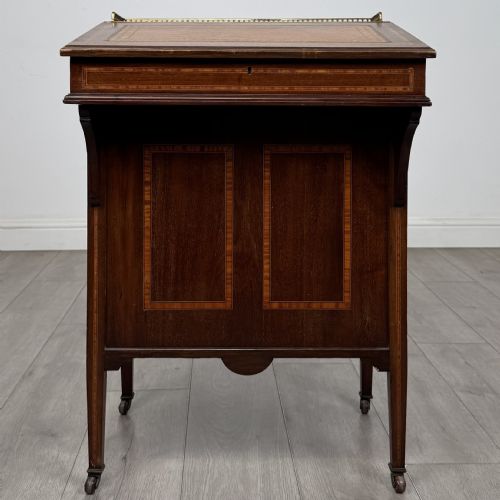
Wood inlay, parquetry, and marquetry techniques integrate contrasting timbers like boxwood and satinwood directly into the top surface and legs. Craftsmen cut precise recesses into the background wood to fit delicate botanical or geometric motifs into place.
Inlaid Small Tables Retail Price Guide 2026
Typical asking prices for inlaid small tables among the pieces listed under this phrase on Sellingantiques today, from the lower quarter to the upper quarter. They describe what is for sale here now, not the wider market.
Some nineteenth-century tables cleverly double as chess boards, proving our ancestors took their parlour games very seriously indeed.
Judging the quality
The standard of a piece rests on the precision of the timber selection and the crispness of the inlay work. Finer examples display tight, symmetrical grain patterns in burr walnut or mahogany paired with neatly fitted contrasting stringing and floral motifs.
Structural integrity and proportion distinguish superior pieces from standard workshop output. Well-made items maintain stability across tripod bases and drop leaves, retaining original handles, brass accents, and fitted interior compartments without heavy alterations.
JAS Shoolbred·Maple and Co
The Inlaid Small Tables Glossary
- Marquetry
- A decorative technique where small pieces of veneer are arranged to form pictorial or floral patterns on a wooden surface. This method creates detailed pictures using contrasting natural timber colours.
- Parquetry
- Geometric wood inlay forming repeating patterns such as cubes, tiles, or zigzags across a tabletop. It is frequently seen on nineteenth-century French and English occasional tables.
- Satinwood
- A durable, lustrous timber with a golden-yellow sheen used extensively for fine veneer and inlay during the Sheraton revival. It catches the light differently depending on the grain orientation.
- Pembroke table
- A small rectangular table featuring two hinged drop leaves on opposing sides. It often includes one or two small drawers and tapered legs.
- Tripod table
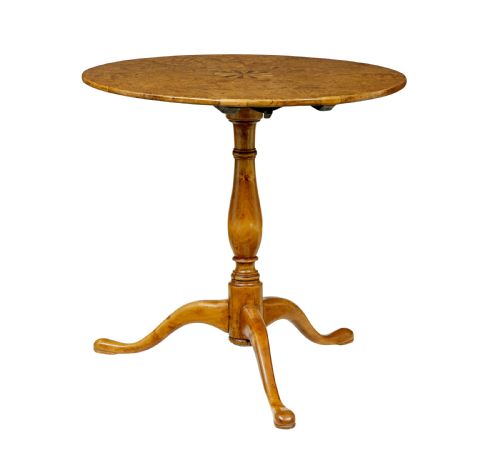
- A small round or oval table supported by a pillar above three spreading legs. These pieces gained popularity for serving wine or holding bedside lamps.
Inlaid Small Tables: Frequently Asked Questions
What is an occasional table?
An occasional table is a small, movable piece of furniture designed to serve a specific, temporary function in a room. These tables are easily repositioned to hold lamps, drinks, or books.
In period interiors, they appeared in various shapes including round, oval, and octagonal forms with inlaid tops. Their compact nature allowed them to fit neatly beside seating areas or in corners.
Where were wine tables used?
Wine tables served as small, portable stands for holding glasses and bottles during evening gatherings in eighteenth and nineteenth-century homes. Their stable tripod bases prevented tipping on carpets.
Today, buyers utilise these compact stands as bedside tables or decorative lamp supports in smaller spaces.
What is burr walnut?
Burr walnut is a highly decorative wood veneer harvested from the growth warts or burls of walnut trees. It exhibits swirling, organic patterns that make each tabletop unique.
Cabinet makers in the Victorian era prized this material for prominent surfaces on occasional tables and Davenport desks.