



Inlaid Marquetry Hall Chair
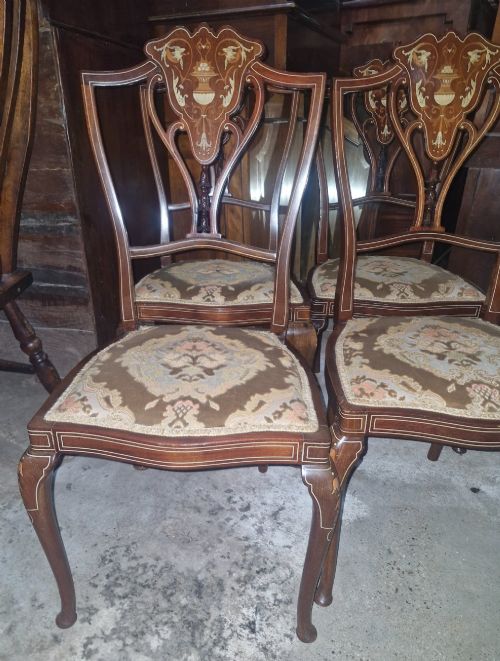
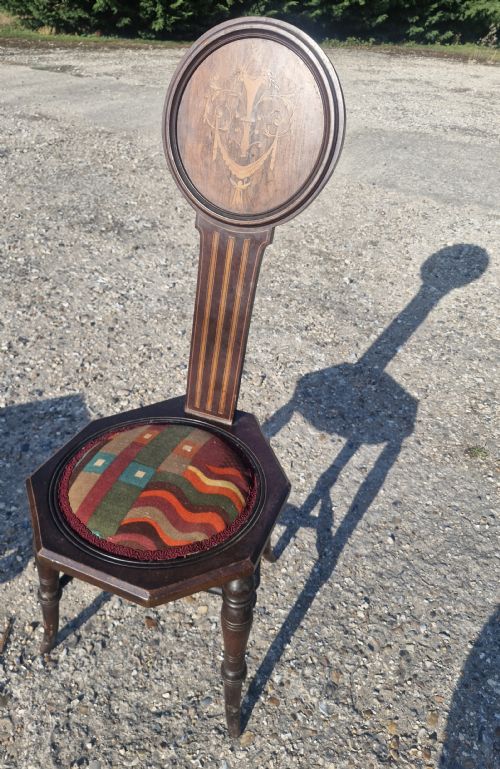
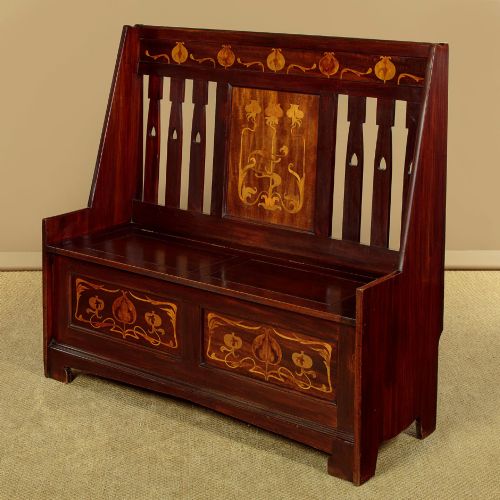
An inlaid marquetry hall chair brings striking decorative timberwork and historical character straight into an entranceway or living space.
Inlaid Marquetry Hall Chair
An inlaid marquetry hall chair combines structural seating timber with intricate decorative wood designs set into the surface. The pieces available span several eras, including the Edwardian period, the nineteenth century, and the eighteenth century.
The decorative styles applied to these forms range across Edwardian, Arts and Crafts, Dutch Baroque, Swiss and Victorian decorative, Regency, Carolean Revival, Art Nouveau, and George I aesthetics.
Materials and construction methods
Cabinetmakers constructed the foundational frames of these chairs using solid timbers such as mahogany, walnut, beech, and fruitwood. These primary woods provided the necessary structural stability for daily seating use.
Artisans applied wood inlay, boxwood inlay, and brass details directly into the timber surfaces to create elaborate marquetry patterns. Additional material elements like fabric and specialised musical mechanisms appear in specific surviving examples.
Inlaid Marquetry Hall Chair Retail Price Guide 2026
Typical asking prices for inlaid marquetry hall chair among the pieces listed under this phrase on Sellingantiques today, from the lower quarter to the upper quarter. They describe what is for sale here now, not the wider market.
One particularly musical chair from the nineteenth century managed to combine traditional Swiss walnut marquetry with a built-in tune.
Distinctions in quality and execution
The sophistication of the marquetry design and the precision of the wood inlay determine the visual impact of the chair. Finer examples display seamless integration of contrasting timbers across the backrest and seat.
The choice of primary framing timber alters the heft and character of the piece, with dense woods like walnut and mahogany offering greater durability and refined grain patterns compared to softer or secondary woods.
James Shoolbred and Co
The Inlaid Marquetry Hall Chair Glossary
- Marquetry
- Decorative veneer work arranged in pictorial or geometric patterns on a wooden ground. This technique uses thin slices of various timbers to create elaborate surface designs.
- Hall chair
- A rigid wooden seat traditionally placed in an entrance hall or corridor. These pieces usually feature solid wooden seats and high decorated backs rather than plush upholstery.
- Side chair
- An upright chair without arms designed for general seating around a room. They frequently stand against walls when not in active use.
- Fruitwood
- Timber sourced from fruit-bearing trees such as pear, apple, or cherry. Cabinetmakers valued these dense, pale woods for fine inlay work and turning.
- Boxwood
- A dense, pale yellow wood commonly used for contrasting stringing and fine details in marquetry. It provides sharp visual separation against darker timbers like walnut and mahogany.
Inlaid Marquetry Hall Chair: Frequently Asked Questions
What is an inlaid marquetry hall chair?
An inlaid marquetry hall chair is a decorative wooden seat featuring detailed veneer patterns applied to the surface. These pieces range from eighteenth-century walnut examples to Edwardian and nineteenth-century variations.
They served both as functional seating and as decorative statements in historic homes, often placed in corridors or reception spaces to impress visitors.
How do I date an inlaid marquetry chair?
Dating relies on examining the underlying wood species, the framing structure, and the style of the marquetry decoration. Pieces linked to the George I or Regency eras exhibit distinct joinery and aesthetic traits unique to those periods.
Comparing the primary timber - such as mahogany, walnut, or beech - alongside regional design traits helps establish the likely period of manufacture.
Were these chairs used daily?
Many of these chairs functioned as occasional or side seating in reception rooms, hallways, and bedchambers. Their sturdy timber construction allowed for regular use while maintaining their decorative appearance.
Some specialised variants, such as musical or spinning chairs, served specific domestic purposes distinct from standard hall seating.
How should I care for antique marquetry wood?
Maintaining antique marquetry requires keeping the timber away from direct heat sources and sudden humidity changes. Regular gentle dusting preserves the surface finish without disturbing the delicate veneer.
Applying appropriate wood care products sparingly helps protect the natural oils in mahogany, walnut, and fruitwood components over time.