




Edwardian Inlay Side Chair
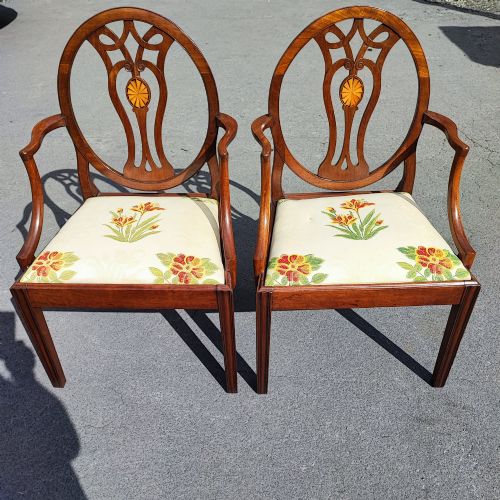
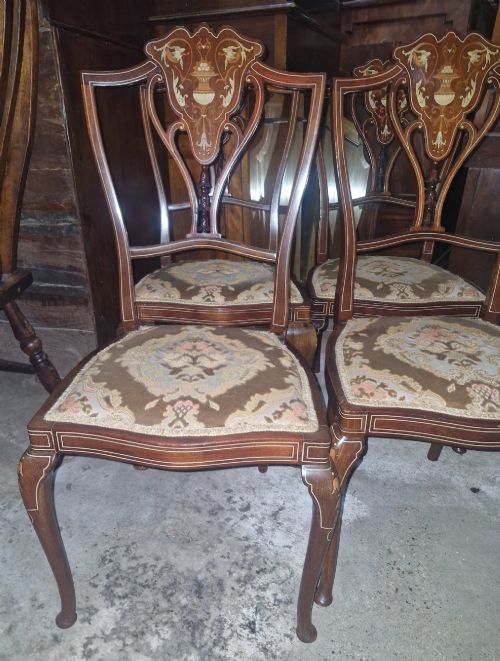
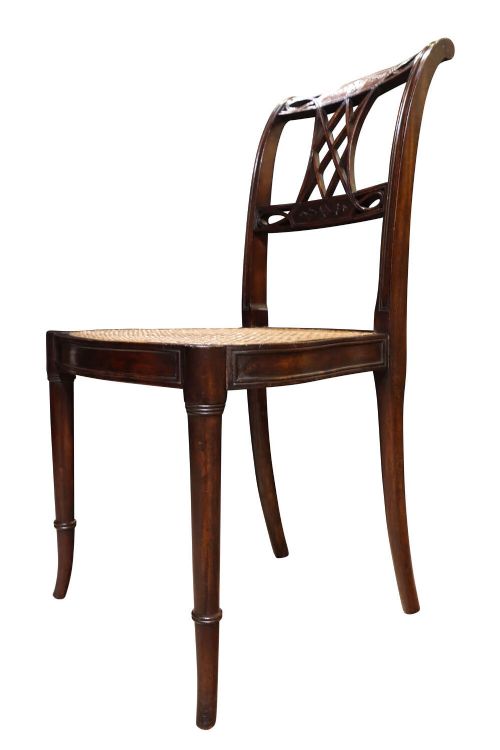
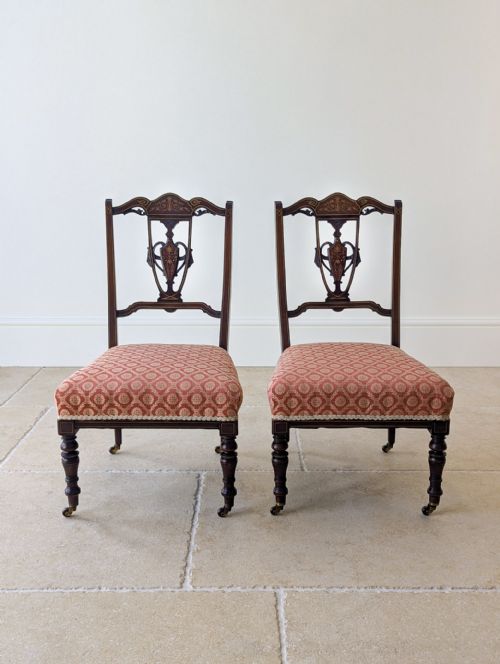
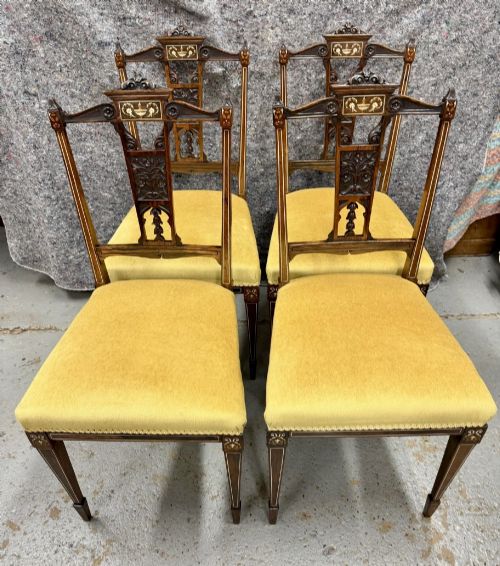
These edwardian inlay side chair selections offer refined timber framing and delicate surface decoration, suiting both sitting rooms and bedrooms.
Edwardian Inlay Side Chair
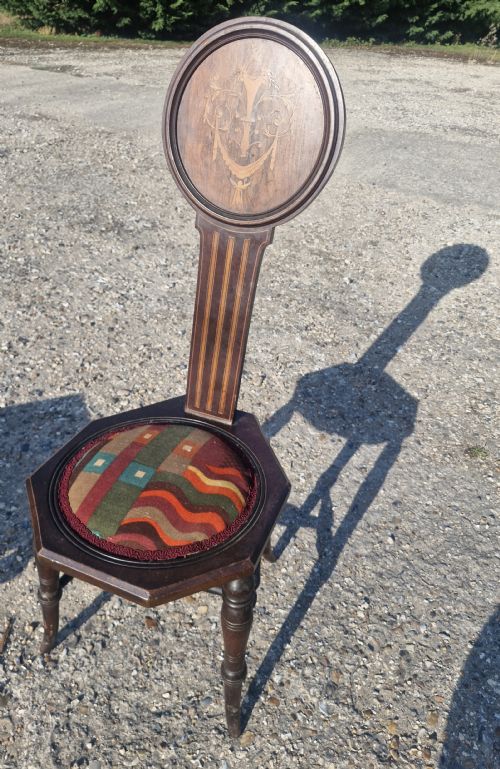
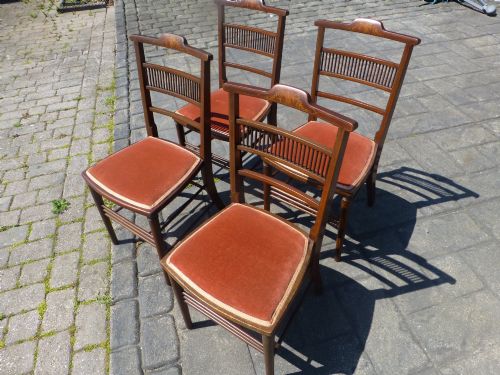
An edwardian inlay side chair stands as a lighter seating form produced primarily around the turn of the twentieth century, adopting slender proportions distinct from heavier Victorian predecessors. The examples found here encompass both single chairs and matched sets intended for salons, bedrooms, and dining spaces.
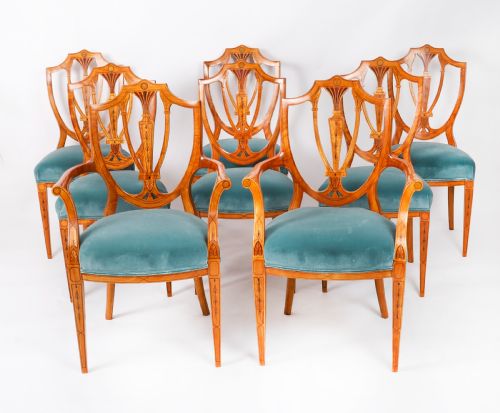
Makers of the period drew heavily on earlier Georgian vocabulary, producing Sheraton Revival pieces alongside distinct Art Nouveau motifs. Mahogany and rosewood form the primary structural timbers, often enhanced by contrasting lighter satinwood and intricate marquetry.
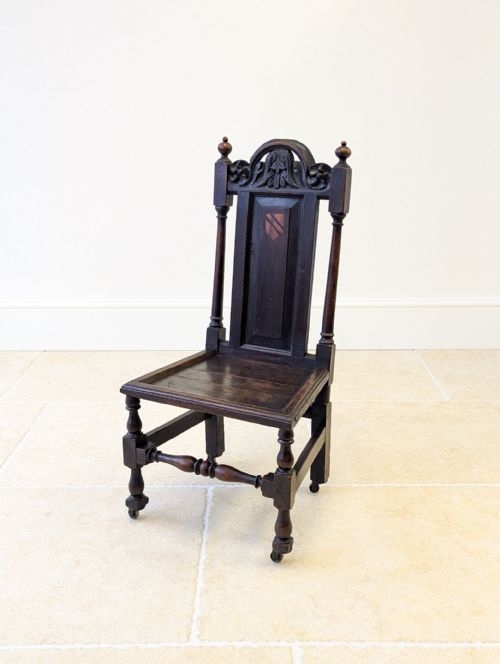
Beyond standard side chairs, the selection extends to occasional, nursing, and bedroom chairs, providing varied heights and upholstery details while retaining the characteristic surface decoration.
How they were made
Cabinet makers constructed these frames predominantly from solid mahogany, walnut, or rosewood, frequently incorporating beech or oak for secondary framing elements. Timber preparation relied on traditional joinery methods, securing legs and rails with dependable mortise and tenon joints.
Surface ornamentation involved fine wood inlay, stringing, and marquetry, setting contrasting veneers of satinwood and exotic timbers into prepared recesses within the base wood. Upholstered variants utilised supportive webbing and traditional stuffing materials beneath silk, velvet, or patterned fabric coverings.
The site listings feature rosewood, satinwood, and mahogany constructions alongside Edwardian and Sheraton Revival styles.
What varies in quality
The standard of an edwardian inlay side chair rests heavily on the precision of the cabinet work and the crispness of the timber decoration. Superior examples display tightly fitted joinery that remains rigid, whereas lesser pieces show movement in the frame and simpler painted motifs rather than genuine wood inlays.
Selection of timber also dictates overall grade, with rich, highly figured mahogany and properly matched rosewood veneers marking out finer production. The complexity and neatness of the stringing and marquetry separate standard commercial output from workshop pieces built for specific drawing rooms.
Cowtan & Sons·Shoolbred
The Edwardian Inlay Side Chair Glossary
- Inlay
- The technique of inserting pieces of contrasting timber into a prepared surface to form decorative patterns. This method defines the primary visual appeal of Edwardian seating.
- Marquetry
- Formed by assembling various wood veneers into pictorial or geometric designs before pressing them onto the panel. It requires skilled cutting and creates detailed ornamentation on backs and crest rails.
- Sheraton Revival
- A design movement drawing inspiration from late eighteenth-century classical furniture proportions and decorative motifs. These pieces typically feature tapered legs and delicate inlaid swags.
- Satinwood
- A durable, lustrous timber native to the tropics, prized for its golden yellow colour. Craftsmen utilised it extensively for contrasting stringing and banding.
- Bergere
- An enclosed upholstered armchair featuring exposed wooden framing and woven cane panels. It offers a comfortable seated posture distinct from rigid side chairs.
Edwardian Inlay Side Chair: Frequently Asked Questions
What defines an edwardian inlay side chair?
These chairs combine slender proportions with decorative wood banding or marquetry, typically produced around the opening decades of the twentieth century. Their light construction makes them suitable for flexible placement.
They reflect a stylistic shift away from heavy Victorian precedents toward revived eighteenth-century elegance and contemporary floral motifs.
Where were these chairs placed originally?
Such seating served multiple domestic rooms, including bedrooms, drawing rooms, and occasional spaces where homeowners entertained guests. Their light weight allowed easy movement around the house.
Dining variants also appeared in matched sets around formal tables during the same period.
How do I care for inlaid wooden furniture?
Maintain stable indoor humidity levels to prevent timber shrinkage and subsequent lifting of the delicate veneer inlays. Avoid placing these pieces in direct sunlight.
Apply a mild wax polish periodically to nourish the mahogany or rosewood surfaces without building up heavy chemical layers.
Can I mix these chairs with modern interiors?
The slender timber frames and restrained decoration allow them to blend easily alongside contemporary furnishings and neutral colour schemes. Their modest scale prevents them from dominating a modern room.
They function effectively as standalone accent pieces in hallways or bedrooms.
How are dining sets typically configured?
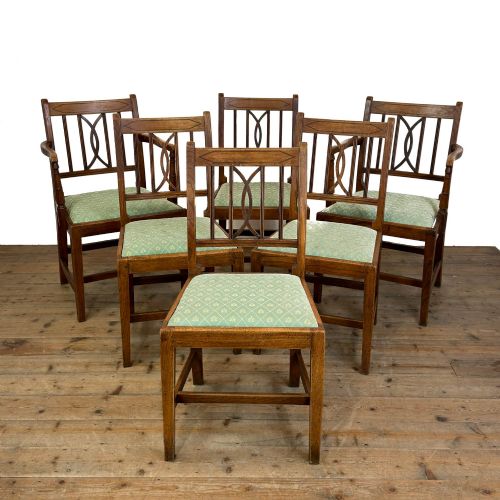
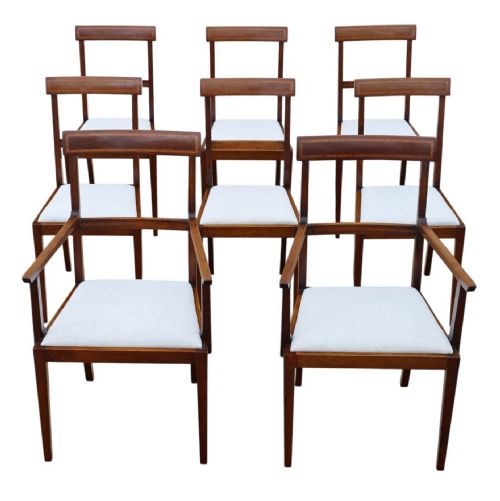
Period dining sets frequently comprise a combination of standard side chairs and paired elbow or carver chairs designed for the heads of the table. Matching relies on consistent timber grain and identical inlay patterns.
Counts vary according to the original commission and subsequent survival rates.