



Antique Small Bedroom Chair
An antique small bedroom chair offers compact comfort and period character, bringing intimate scale and traditional craftsmanship directly to your dressing room or boudoir.
Antique Small Bedroom Chair
An antique small bedroom chair encompasses a variety of compact seating forms designed for private chambers, predominantly appearing as nineteenth-century side chairs, armchairs, and occasional seats. These pieces are chosen for their diminutive proportions, allowing them to fit into tight alcoves or beside dressing tables where standard furniture proves too bulky.
The selection frequently includes Victorian and Edwardian examples alongside earlier Regency and eighteenth-century pieces. Common regional and stylistic variations range from French gilt sofas and Louis-style seating to Italian country walnut chairs and English mahogany frames.
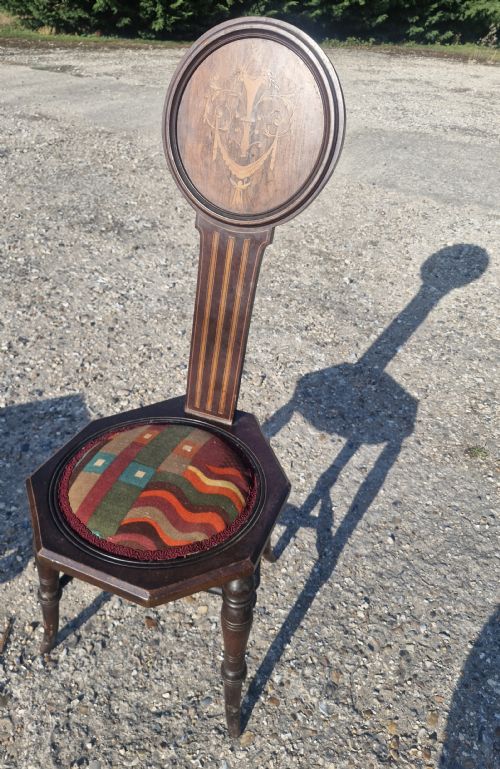
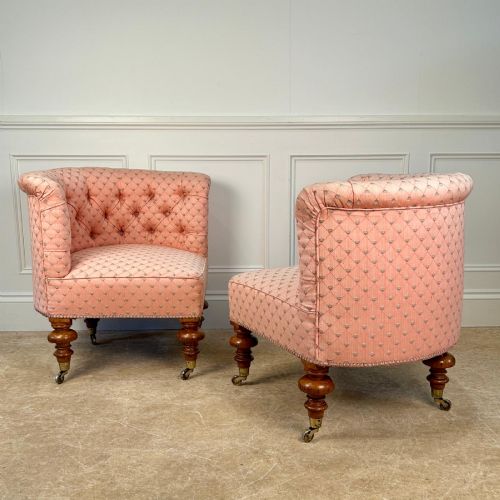
Buyers encounter diverse structural types, including bergere chairs, spinning chairs, iron-back buttoned armchairs, and upholstered corner chairs. Each variation serves the fundamental purpose of providing intimate, low-slung seating suited to personal quarters.
Materials and Construction
Cabinetmakers utilised dense hardwoods such as mahogany, oak, walnut, and general timber to build robust frames that endure through centuries of use. Giltwood and brass occasionally appear on more decorative or French-influenced pieces to accentuate carved details.
Traditional upholstery techniques form an essential part of these chairs, employing materials like velvet, linen, fabric, and leather stretched over supportive internal stuffing. Buttoning and exposed wooden frames highlight the hand-finished nature of nineteenth-century workshop production.
Antique Small Bedroom Chair Retail Price Guide 2026
Typical asking prices for small bedroom chair among the pieces listed under this phrase on Sellingantiques today, from the lower quarter to the upper quarter. They describe what is for sale here now, not the wider market.
The listings span from the eighteenth century through to the Edwardian era, predominantly featuring mahogany, oak, and walnut frames paired with velvet, leather, and linen upholstery.
Assessing Quality
Quality rests upon the integrity of the timber frame, the precision of the joinery, and the authenticity of the materials used in both structure and upholstery. Pieces retaining original makers' marks or stamps demonstrate verified workshop provenance that elevates their standing.
The refinement of the carving, the balance of the proportions, and the harmony between wood and textile determine the overall distinction of the piece. Subtle details in turning and shaping separate standard utility furniture from finer domestic seating.
Howard and Sons
The Antique Small Bedroom Chair Glossary
- Bergere
- An upholstered armchair with enclosed cane or upholstered sides, originating in France. This style provides a lighter visual weight while maintaining structured comfort.
- Giltwood
- Wood that has been covered with a thin layer of gold leaf or gesso. This decorative finish appears frequently on continental and revival frames.
- Spinning chair
- A low, small wooden seat traditionally used for domestic textile work near the hearth. These chairs often feature intricately carved backs and compact footprints.
- Mahogany
- A durable, reddish-brown tropical hardwood favoured by cabinetmakers during the eighteenth and nineteenth centuries. It takes a fine polish and resists warping.
- Corner chair
- A seating form designed to fit neatly into the corner of a room, typically featuring a diagonal orientation with a curved back rail.
Antique Small Bedroom Chair: Frequently Asked Questions
What is an antique small bedroom chair used for?
These compact seats were originally designed for private sleeping quarters to provide a comfortable place for dressing, reading, or resting.
Today, buyers use them in modern bedrooms, dressing rooms, or small studies where standard armchairs would overwhelm the available floor space.
How do I identify a Victorian bedroom chair?
Victorian examples often feature dark hardwoods like mahogany or walnut, frequently paired with buttoned upholstery, turned legs, or iron-back supports.
Proportions tend to be compact and low to the ground, reflecting the domestic comfort priorities of the nineteenth century.
Are these chairs suitable for daily use?
Most antique small bedroom chairs remain structurally sound and capable of supporting regular sitting, provided the internal framing and joints are secure.
Upholstery condition varies, so some pieces benefit from professional reupholstering to ensure long-term comfort and fabric durability.
What is the difference between a side chair and an armchair?
Armchairs feature built-in arm rests designed to support the arms and create a more enclosed, substantial seating experience.
Side chairs lack arms, offering a narrower profile that slips easily beneath dressing tables or tucks into corners.