


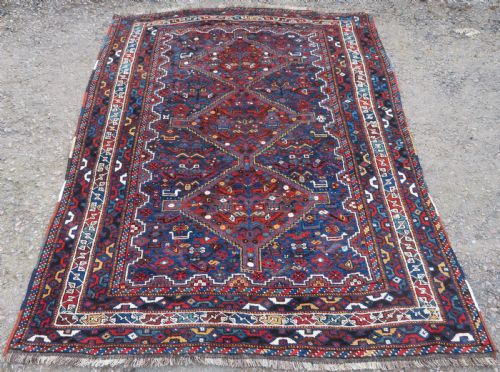

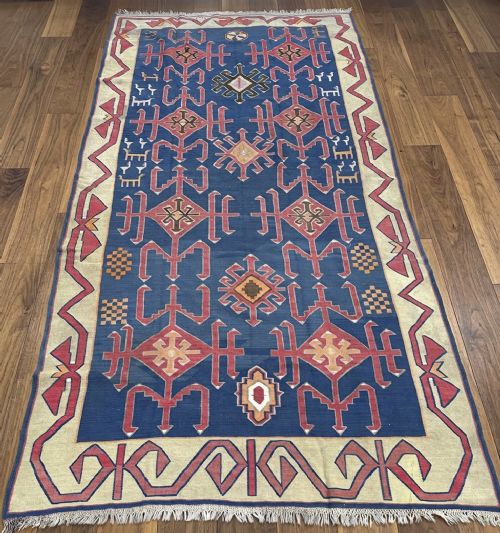
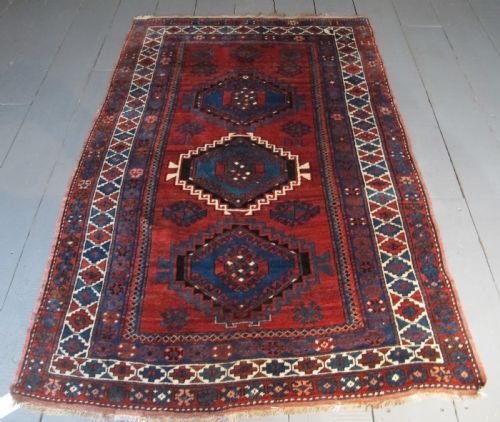


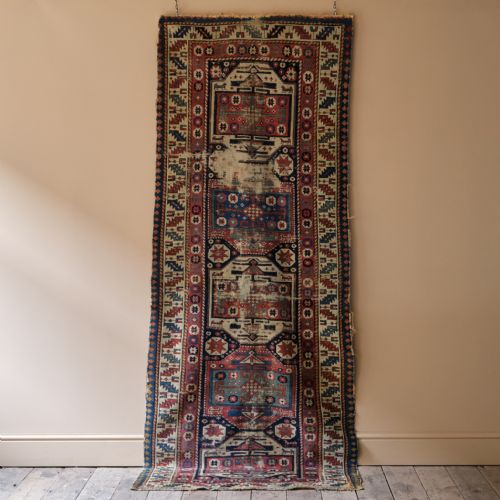


Indigo Red Oriental Rug
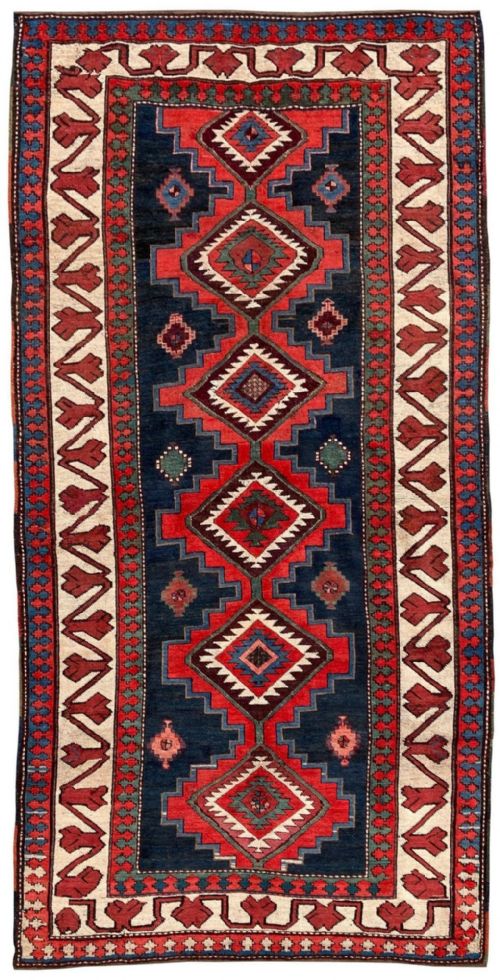
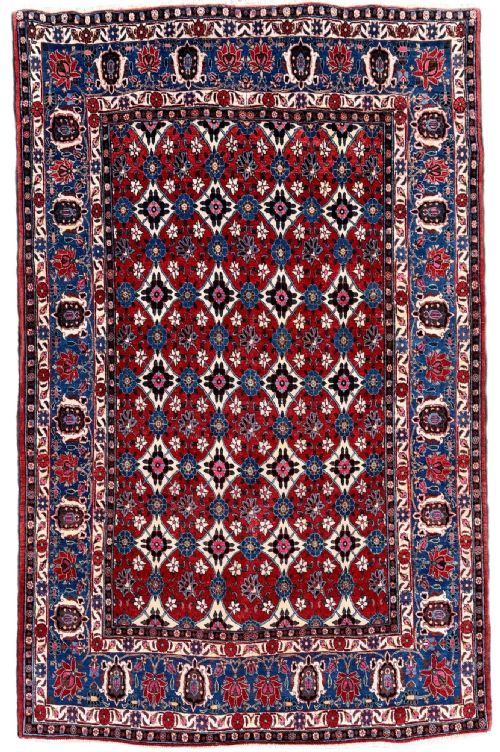
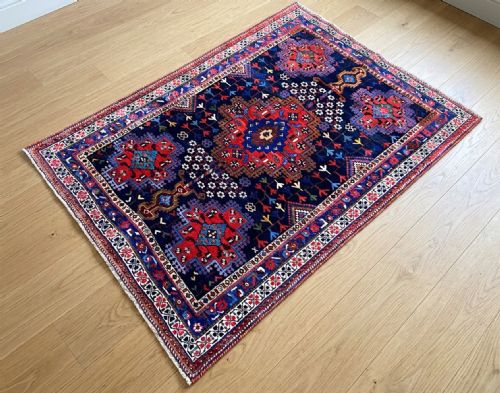
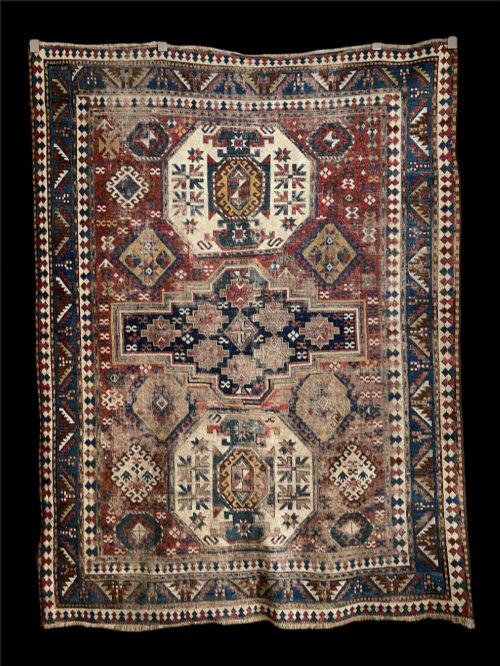
An indigo red oriental rug brings tribal motifs and deep vegetal dyes straight from nineteenth and early twentieth century looms into a modern room.
Indigo Red Oriental Rug
When you search for an indigo red oriental rug, you encounter hand-knotted tribal and village carpets originating from Persian, Caucasian, and Baluch communities. These textiles span periods from the late nineteenth century through to the early decades of the twentieth century, taking the form of area rugs, long runners, and flat-weave kilims.
The inventory encompasses diverse formats, from compact prayer rugs and square formats to room-sized kelleh carpets and multi-part flat-weaves. Each piece reflects the specific regional vocabulary of its makers, employing traditional patterns handed down through generations.
How they were made
Weavers constructed these rugs using hand-spun wool and cotton, occasionally incorporating goat hair for added durability along the outer edges. Natural dyes provided the characteristic rich palettes, anchored by deep indigo blues and saturated reds derived from local plants and insects.
The knotting and flat-weaving techniques varied by region, utilising symmetrical or asymmetrical knots on wool or cotton foundations. Artisans worked on portable vertical or horizontal looms, beating the rows down tightly with heavy combs to produce dense, resilient piles that endured decades of daily wear.
Indigo Red Oriental Rug Retail Price Guide 2026
Typical asking prices for indigo red oriental rug among the pieces listed under this phrase on Sellingantiques today, from the lower quarter to the upper quarter. They describe what is for sale here now, not the wider market.
The inventory spans styles from Caucasian and Baluch tribal to Persian village formats.
What varies in quality
The standard of an indigo red oriental rug depends heavily on the crispness of the drawing and the saturation of the natural dyes. Superior examples display precise geometry in medallions and motifs, paired with an even, lustrous wool pile that shows clear abrash variations in colour.
Structural integrity also dictates quality, seen in the firmness of the weave, the straightness of the sides, and the completeness of the original dark-dyed outer borders. Finer knot density allows complex tribal symbols, such as Lezghi stars or rams horn mihrabs, to emerge with distinct graphical clarity.
The Indigo Red Oriental Rug Glossary
- Abrash
- Natural tonal variation within a single field of colour, caused by changes in dye batches or hand-spun yarn lots. This variation creates a subtle, striated appearance across the rug surface.
- Gul
- A medallion or repeating octagonal motif commonly found in tribal weaving traditions, particularly among Turkmen and Baluch groups. These designs often signify specific ancestral clans or geographic origins.
- Kilim
- A flat-woven carpet or textile produced without a raised pile by tightly interweaving warp and weft threads. These pieces serve as floor coverings, tent dividers, or storage bags.
- Mihrab
- An arch-shaped design element borrowed from Islamic architecture, representing a prayer niche. It typically points towards Mecca on dedicated prayer rugs.
- Kelleh
- A large format rectangular carpet, traditionally longer than standard room sizes and narrower in width. These formats suited the grand proportions of nineteenth-century reception rooms.
Indigo Red Oriental Rug: Frequently Asked Questions
What is an indigo red oriental rug?
These textiles are traditional hand-knotted or flat-woven floor coverings made by tribal and village weavers in the Caucasus, Persia, and Afghanistan. They utilise natural dyes and local wool to create durable carpets featuring geometric patterns and symbolic motifs.
Production dates for the pieces found here largely centre on the late nineteenth and early twentieth centuries. Each rug carries the distinct cultural identifiers of the specific region where it was woven.
How should I clean my antique rug?
Gentle surface cleaning and regular low-suction vacuuming without a rotating brush help maintain natural wool piles over time. Professional textile cleaners who specialise in antique vegetable-dyed carpets should handle any deep washing.
Avoiding direct, harsh sunlight prevents the natural indigo and red dyes from fading prematurely. Rotating the carpet periodically ensures even wear patterns in high-traffic hallways or living spaces.
Where were these rugs made?
Weavers produced these textiles across mountainous regions spanning the Caucasus, South Persia, and Western Afghanistan. Specific source areas include Daghestan, Kerman province, and Baluchistan, each contributing distinct tribal aesthetics.
Nomadic groups and settled villagers alike contributed to this tradition, utilising local materials available to their specific communities. These geographical origins dictate the structural techniques and symbolic designs present in each piece.
How do I identify a tribal rug?
Tribal carpets typically feature asymmetrical or rectilinear geometric designs, stylised animals, and repeating star motifs rather than refined courtly florals. The use of hand-spun wool and saturated natural dyes further indicates nomadic or village production.
Slight irregularities in shape, border alignment, and colour shading point away from mass production and toward independent hand-weaving. These individual quirks highlight the personal expression of the maker working on a portable loom.