





Indigenous Artifact
These indigenous artefact examples span utilitarian tools and ceremonial pieces forged from bone, hardwood, and plant fibre across the eighteenth and nineteenth centuries.
Indigenous Artifact
When you search for an indigenous artefact, you encounter a diverse array of ethnographic objects, tribal artefacts, and sculptures originating from Indigenous Australian, Inuit, and Oceanic tribal cultures. These items range in date from the eighteenth century to the nineteenth century, reflecting utilitarian survival gear and cultural items.
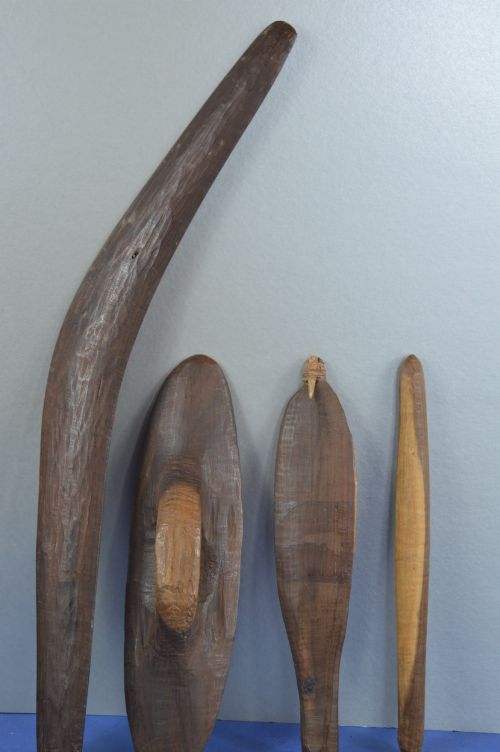
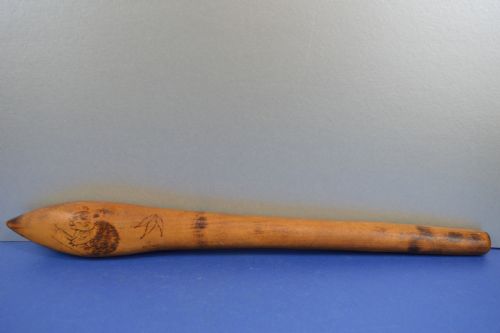
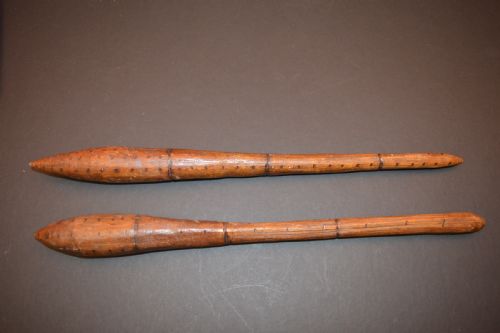
The objects most frequently met on this page include nineteenth century Australian Aboriginal throwing clubs such as nulla-nullas, woomeras, and hunting sets. Alongside these are Oceanic war clubs, Polynesian paddles, and Inuit carvings executed in whalebone and antler.
Other notable forms include hanging bowls from Papua New Guinea and long bone objects alongside collections of Native American artefacts. These pieces demonstrate the diverse functional and artistic traditions of their respective makers.
Materials and construction methods
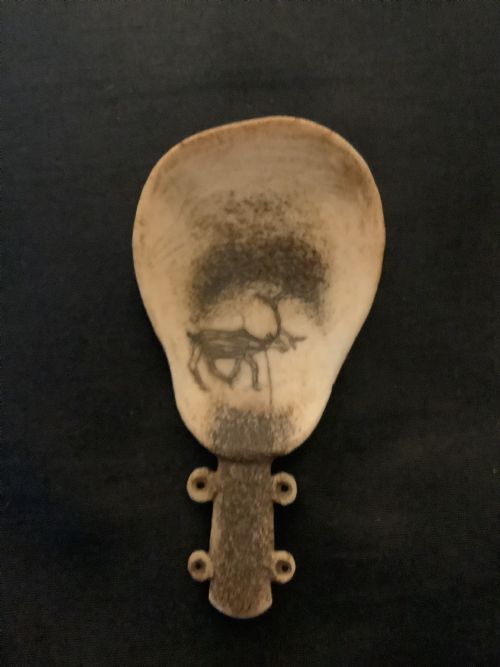
Maker communities utilised dense native hardwoods for clubs and paddles, shaping the timber with hand tools to achieve balanced weight and robust durability. Antler and whalebone served as primary mediums in Arctic regions, where carvers transformed marine materials into spoons and detailed statues.
Organic elements such as plant fibre and natural resin appear in construction and binding, while pigment provides surface decoration on select surfaces. These local materials dictated the structural limits and aesthetic finish of each piece.
Indigenous Artifact Retail Price Guide 2026
Typical asking prices for indigenous artifact among the pieces listed under this phrase on Sellingantiques today, from the lower quarter to the upper quarter. They describe what is for sale here now, not the wider market.
An eighteenth-century bone object sits quietly among heavy fighting clubs.
Factors influencing quality
Quality rests in the integrity of the carving and the purity of the form, where tool marks reveal the direct interaction of maker and material. Superior examples display confident proportion and functional balance rather than decorative excess.
Surface patination resulting from handling and age separates exceptional survivals from lesser examples. The clarity of tribal styles and the preservation of original organic components further define the hierarchy within these historical pieces.
The Indigenous Artifact Glossary
- Nulla-nulla
- An Australian Aboriginal wooden hunting club or throwing stick used for both combat and game hunting. These clubs feature dense hardwood construction and distinctive shaped heads.
- Woomera
- An Australian Aboriginal spear-thrower that acts as an extension of the arm to increase the velocity of a launched spear. It often includes a peg at one end and a grip at the other.
- Patina
- The surface sheen and coloration developed on organic materials through age, handling, and environmental exposure. It serves as a key indicator of authenticity and historical depth.
- Ethnographic
- Pertaining to the scientific description of peoples and cultures, applied here to material culture created by indigenous and tribal societies. These items record traditional social practices.
- Vunikau
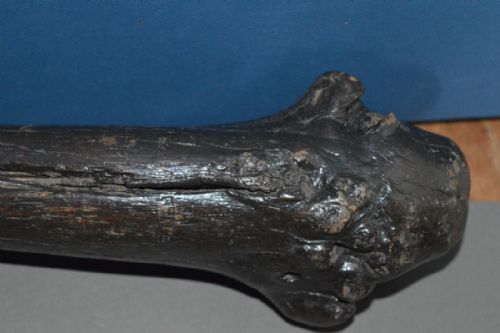
- A traditional Fijian war club carved from the rootstock of a tree to utilise the natural grain and strength of the timber. These weapons are recognised for their heavy, bulbous heads.
Indigenous Artifact: Frequently Asked Questions
What defines a tribal artifact?
A tribal artefact is an object created by indigenous communities for utilitarian, ceremonial, or decorative purposes. These items reflect the traditional technologies and social structures of their makers.
Materials typically include locally sourced timber, bone, fibre, and stone shaped by traditional hand methods.
How do I care for wooden tribal items?
Wooden objects require stable environmental conditions with moderate humidity to prevent timber splitting or warping. Keep them away from direct sunlight and artificial heat sources.
Avoid applying modern polishes or oils, as these can alter the historical surface patination and damage organic fibres.
How can I distinguish regional styles?
Regional styles depend on the specific geographic origins and cultural traditions of the makers, such as Oceanic, Inuit, or Australian Aboriginal. Each group utilised distinct forms, like Pacific war clubs or Arctic whalebone carvings.
Examining the specific carving methods and material choices helps identify the cultural source.