






Indigenous Art Artefact
These indigenous art artefact pieces bring tangible cultural heritage to your collection, offering authentic historical work from global indigenous traditions.
Indigenous Art Artefact
An indigenous art artefact encompasses a diverse range of cultural objects and traditional creations from global regions, reflecting specific historical practices and heritage. When searching for an indigenous art artefact, you will primarily encounter items from the eighteenth and nineteenth centuries.
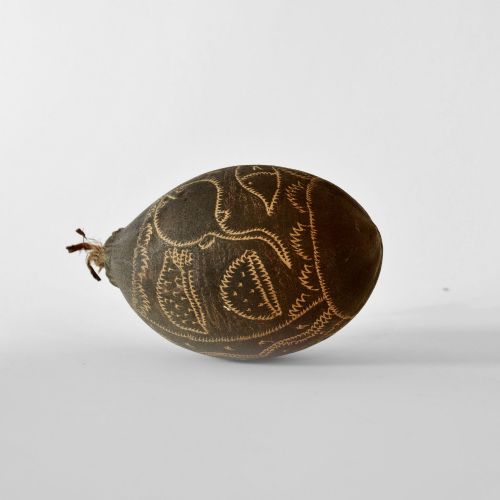
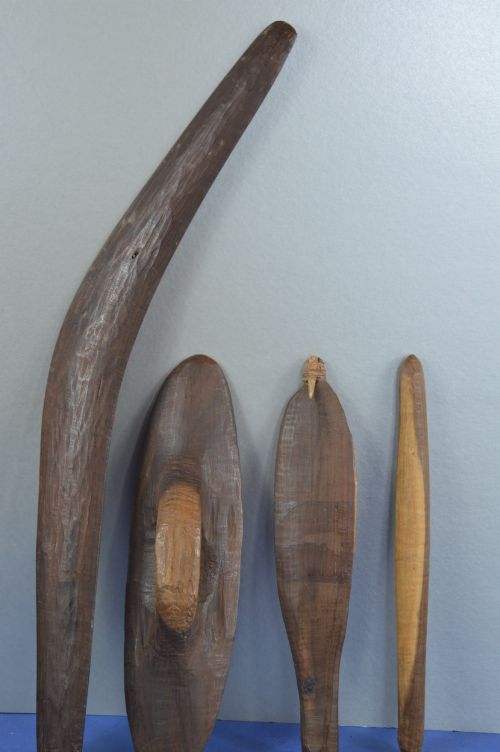
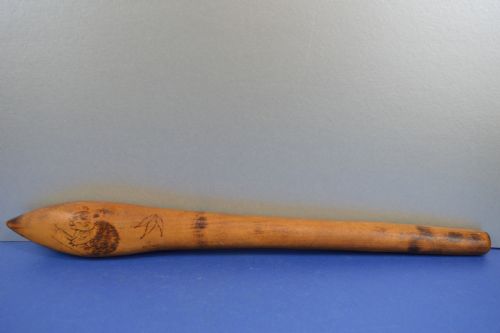
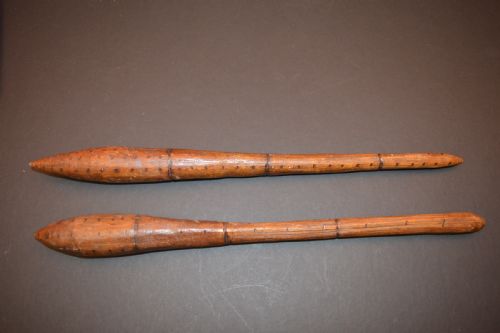
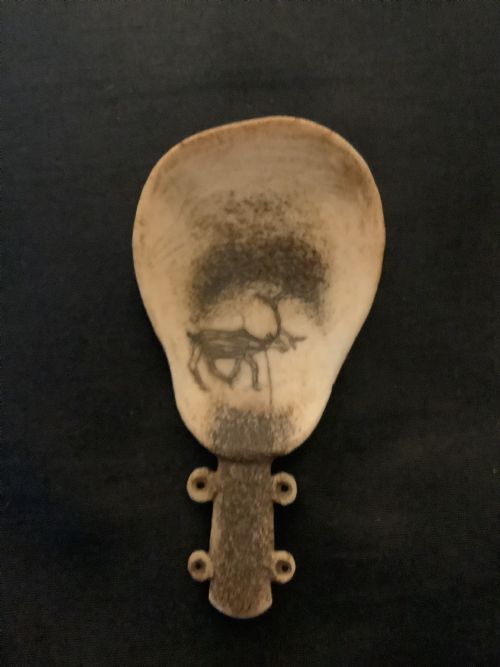
The selections available on this page feature regional works spanning Indigenous Australian, Oceanic Tribal, Inuit Tribal Art, and Native American traditions. Common forms include throwing clubs, war clubs, sculptures, hanging bowls, paddles, spoons, spear throwers, and comprehensive collections of cultural artefacts.
Most examples originate from the nineteenth century, with specific pieces dating back to the late eighteenth century. These objects serve as physical records of distinct material cultures and traditional craftsmanship.
How indigenous art artefact pieces were made
Maker communities utilised local organic materials harvested from their surrounding environments, working primarily with hardwood, wood, whalebone, antler, and bone. Plant fibre and natural resin frequently supplement these structural elements in traditional construction and binding.
Surface treatments often incorporate pigment to add visual depth or ritual significance to the finished items. Artisans shaped these materials using traditional hand-carving and joining techniques suited to each specific medium.
Indigenous Art Artefact Retail Price Guide 2026
Typical asking prices for indigenous art artefact among the pieces listed under this phrase on Sellingantiques today, from the lower quarter to the upper quarter. They describe what is for sale here now, not the wider market.
What varies in quality in indigenous art artefact pieces
The standard of an indigenous art artefact depends on the integrity of the material and the precision of the carving. Masterworks display confident handling of dense hardwoods, whalebone, or antler, showing deliberate tool marks that evidence skilled execution.
Proportion and balance distinguish finer functional forms, such as throwing clubs and paddles, where utility and aesthetic form align. The preservation of original surface pigments and natural patination also influences the character of each piece.
The Indigenous Art Artefact Glossary
- Nulla - Nulla
- A traditional Australian Aboriginal heavy wooden club used for hunting or combat. These striking implements are shaped from local hardwoods.
- Whalebone
- Dense skeletal material utilised by Arctic communities such as the Inuit for carving statues and functional implements. This durable medium allows for detailed sculptural work.
- Vunikau
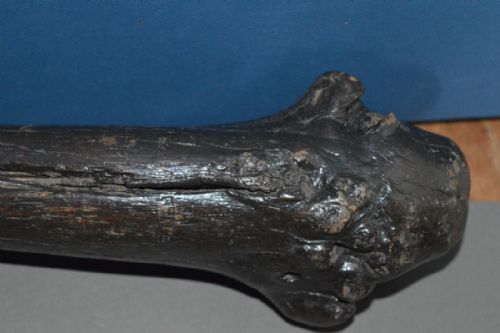
- A traditional Fijian war club fashioned from the rootstock of a small tree to create a heavy, bulbous striking head. These eighteenth-century weapons display notable density and natural grain patterns.
Indigenous Art Artefact: Frequently Asked Questions
What is an indigenous art artefact?
An indigenous art artefact is a cultural object created by traditional communities around the world, encompassing weapons, vessels, and carvings.
These items reflect the distinct materials and artistic practices of regions such as Oceania, the Arctic, and Australia during past centuries.
How were tribal clubs used?
Tribal clubs served practical roles in hunting, warfare, and ceremonial practices within indigenous societies.
Specific forms like throwing clubs and heavy wooden war weapons were balanced for physical utility and carried distinct cultural significance.
How do I care for organic artefacts?
Organic artefacts made from wood, bone, and whalebone require stable environmental conditions away from direct sunlight and excessive humidity.
Maintaining consistent indoor temperatures helps preserve the natural materials and historic surface patinas without chemical intervention.
How are nineteenth century pieces identified?
Nineteenth-century pieces are identified through material analysis, tool marks, and stylistic characteristics specific to known regional traditions.
Documentation and comparative study of period forms help determine the likely origin and approximate age of each object.