



Indian Wooden Sculpture
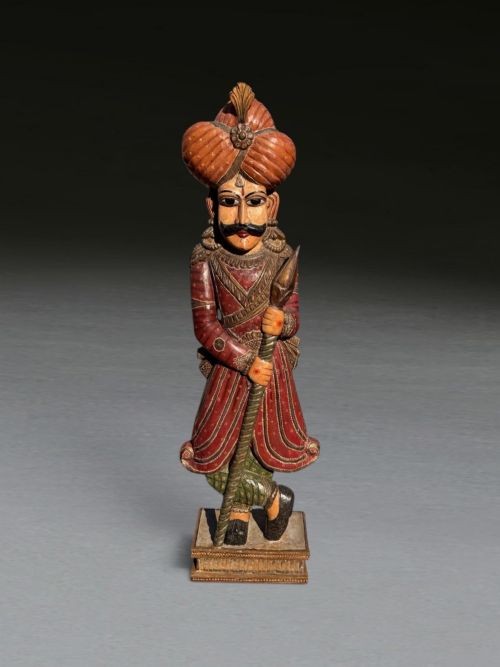
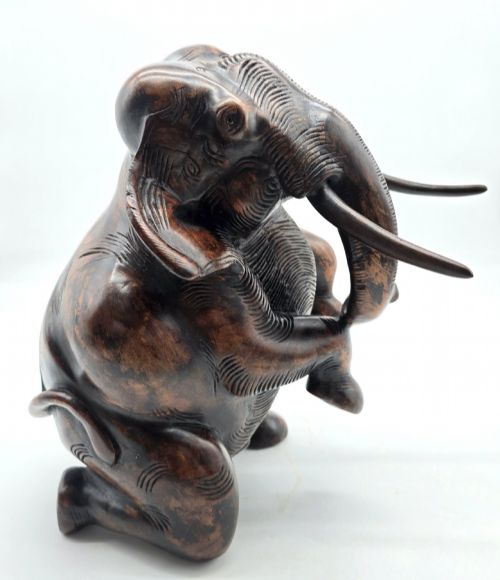
These indian wooden sculpture pieces range from figures of soldiers and animals to architectural fragments, offering rich traditional forms for your space.
Indian Wooden Sculpture
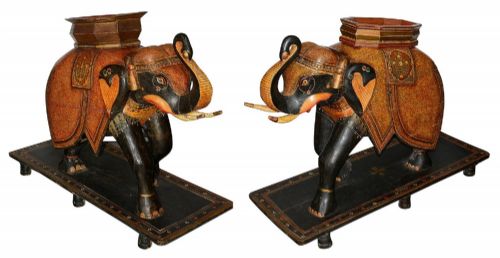
An indian wooden sculpture selection typically encompasses carved figures, animals, and architectural elements originating from periods spanning the seventeenth to the early twentieth century. Buyers encounter domestic decorative pieces alongside larger items such as life-size goats, horses, and processional elephants.
The objects derive from various regional traditions, including South Indian folk art and Kashmiri craftsmanship. Many examples reflect the Raj period, featuring detailed depictions of deities, soldiers, and local fauna.
Architectural salvage also appears within the category, providing deep relief wall panels and roof decorations carved from dense timbers. These diverse forms demonstrate the broad scope of traditional woodcarving across different Indian communities.
Materials and Techniques
Makers utilised dense timbers such as hardwood, teak, and ebony to construct these sculptures, ensuring durability for intricate carving work. Artisans employed hand tools to achieve deep relief effects on wall panels and three-dimensional realism in animal studies.
Surfaces frequently show layers of paint, pigment, or lacquer, adding polychrome detailing to horses, elephants, and human figures. Additional elements like bone or iron occasionally complement the primary wooden structure.
The listings here feature various hardwood animal studies, including elephants, horses, and goats dating from the seventeenth to the twentieth century.
Craftsmanship and Detail
The distinction between standard works and superior examples rests in the depth and precision of the carving. Master carvers achieved anatomical accuracy and expressive movement in animal and human figures, whereas lesser pieces display rigid forms and shallow tool marks.
The preservation of original surface treatments, including polychrome paint and lacquer, significantly elevates the integrity of a piece. Finer sculptures retain their original decorative scheme without extensive modern intervention.
The Indian Wooden Sculpture Glossary
- Polychrome
- Painted in several colours. This surface treatment appears on various traditional animal and human figures.
- Raj period
- The period of British rule in the Indian subcontinent. Many domestic decorative carvings and elephant studies originate from this era.
- Architectural salvage
- Building elements rescued from older structures. This includes carved roof decorations and wall panels.
- Treen
- Small handmade wooden objects. Items such as coconut scrapers fall into this functional category.
- Hardwood
- Timber from broad-leaved trees. Artisans selected these dense woods for detailed sculptural work.
Indian Wooden Sculpture: Frequently Asked Questions
How do I date an indian wooden sculpture?
Dating relies on examining the timber type, tool marks, and historical context of the object. Pieces from the nineteenth century often exhibit specific regional styles associated with the Raj period.
Comparison with documented architectural fragments and traditional figures helps narrow down the decade of production. Surface finishes like original paint or lacquer also provide clues to the age of the item.
What animals are commonly depicted in these carvings?
Elephants, horses, and bulls appear frequently in these traditional sculptures. Artisans often portrayed ceremonial elephants with full trappings or carved sacred animals like the Nandi bull.
Other less common representations include goats, iguanas, and figures of soldiers or dancers. Each animal reflects specific regional symbolism and cultural narratives.
Where were these wooden objects originally used?
Many sculptures served as domestic decorations, trade signs, or processional objects in local ceremonies. Architectural elements were integrated directly into buildings as roof decorations or wall panels.
Smaller items fulfilled practical household roles while retaining decorative hand-carved details. Their placement depended on whether the item belonged to a domestic interior or a public structure.
How should I care for antique wooden carvings?
Maintain a stable environment away from direct sunlight and sudden temperature shifts to protect the timber. Avoid excessive moisture, which can damage original painted or lacquered surfaces.
Dust gently with a dry, soft cloth rather than using liquid polishes or chemical cleaners. This preserves the patina and integrity of the historic wood.