




Indian Wooden Lamp
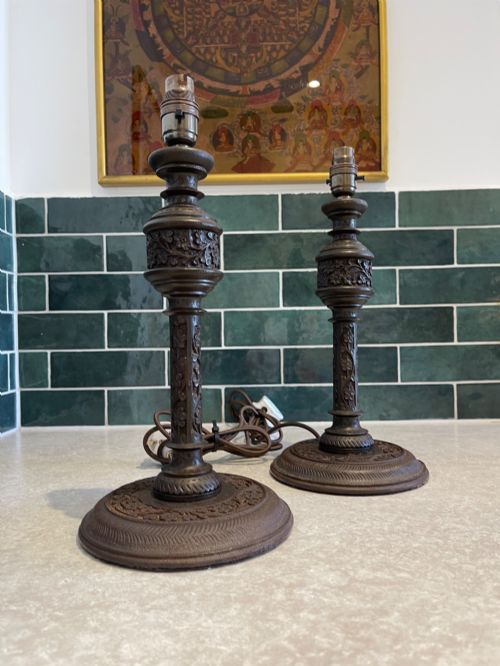
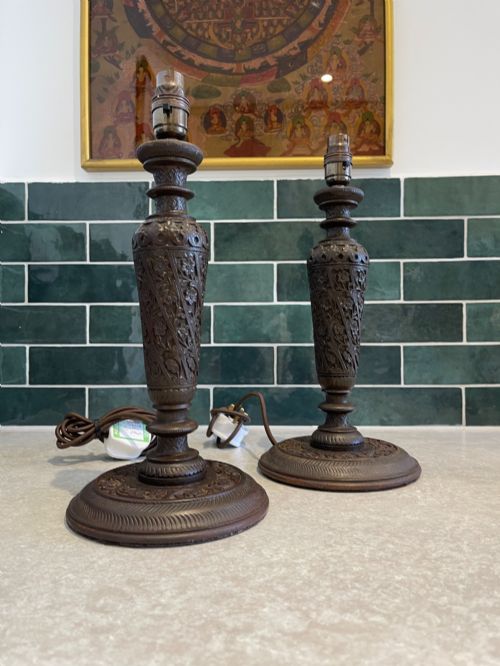
An indian wooden lamp brings rich colonial history and intricate regional craftsmanship directly into a room.
Indian Wooden Lamp
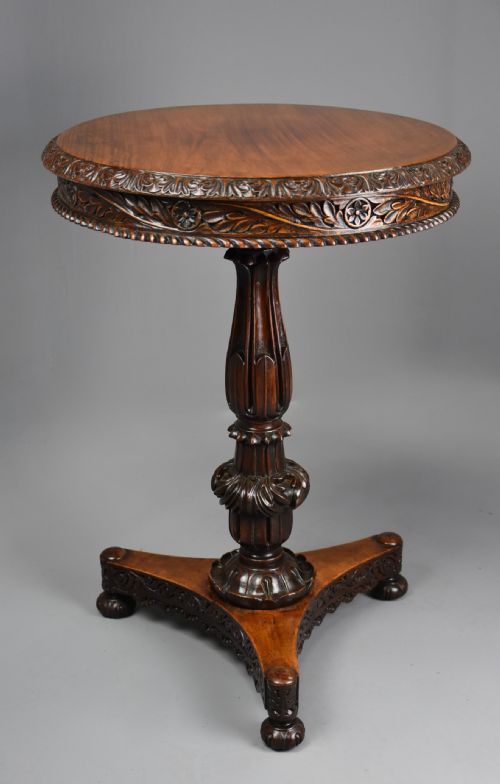
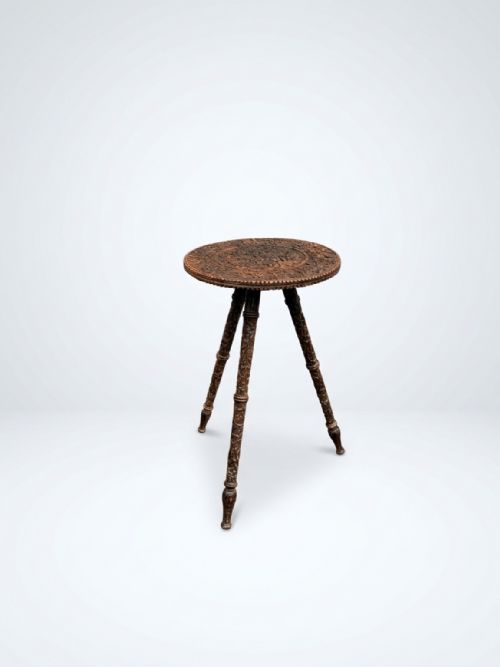
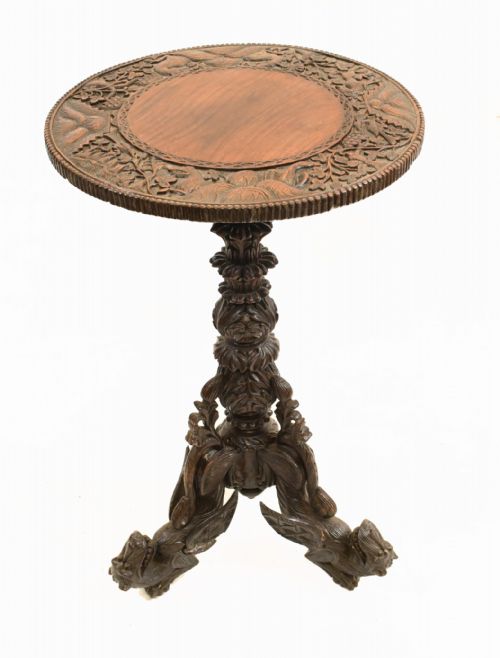
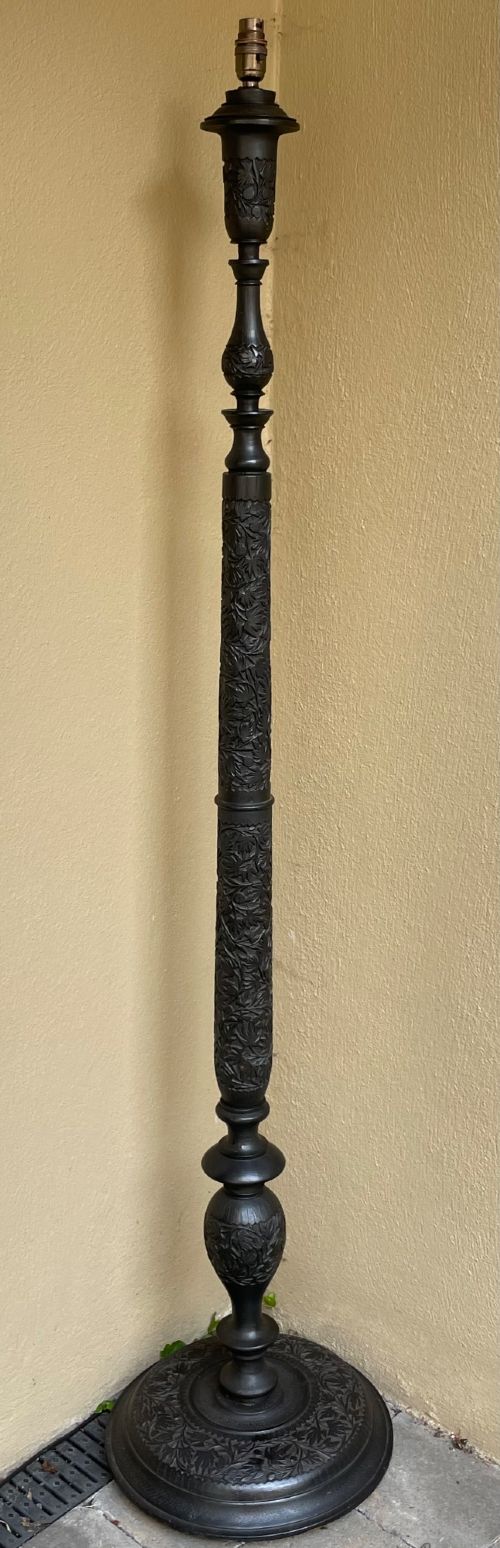
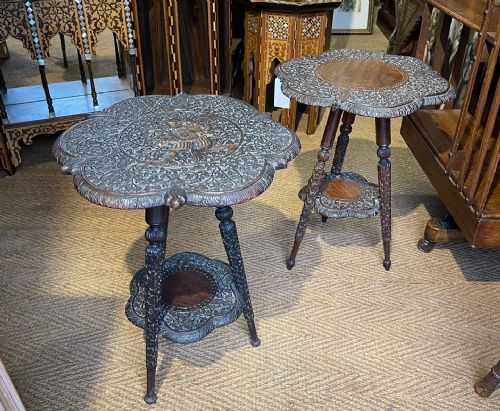
When searching for an indian wooden lamp, collectors encounter a fascinating intersection of nineteenth and early twentieth century colonial design. These pieces often blur the lines between functional lighting and intricately carved occasional furniture, serving as both lamp bases and small display stands.
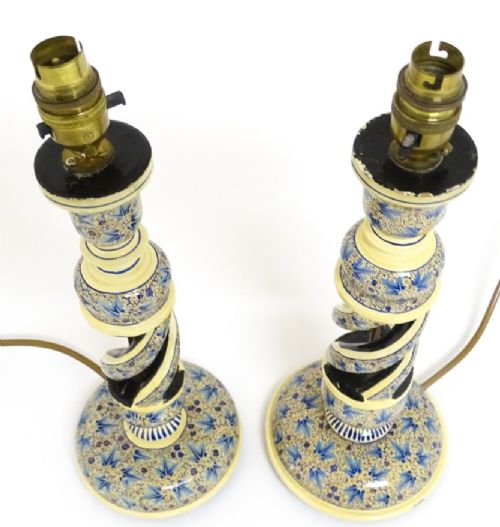
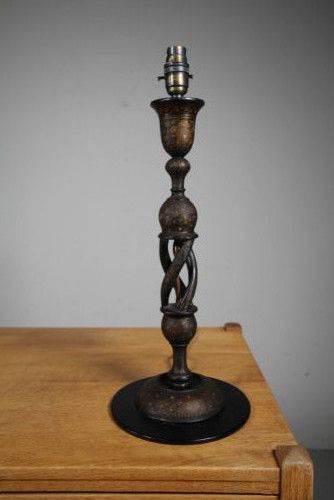
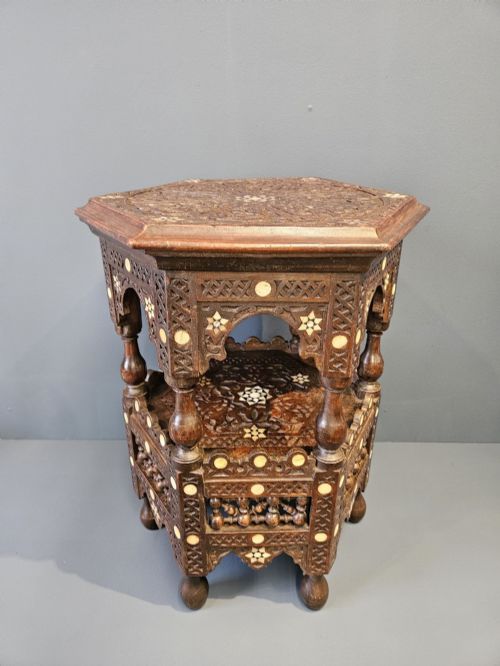
The selection ranges from tall standard lamps to smaller table-top holders, often influenced by Anglo-Indian, Kashmiri, and Moorish revival styles. Buyers frequently meet pieces carved from dense tropical timbers or hand-painted with traditional regional motifs.
Materials and construction
Artisans relied on dense hardwoods such as teak, padouk, rosewood, and walnut to withstand deep carving and structural turning. These sturdy timbers provided a reliable foundation for complex geometric patterns and figurative relief work.
Surface ornamentation varied from natural waxed wood finishes to vibrant hand-painted lacquer work. Brass inlays and hardware frequently complemented the dark timber grains, adding metallic contrast to the traditional forms.
Indian Wooden Lamp Retail Price Guide 2026
Typical asking prices for indian wooden lamp among the pieces listed under this phrase on Sellingantiques today, from the lower quarter to the upper quarter. They describe what is for sale here now, not the wider market.
Current listings feature materials including teak, padouk, rosewood, walnut, brass, and hand-painted lacquer across the nineteenth and early twentieth centuries.
Assessing quality and execution
Quality rests primarily in the crispness and depth of the hand-carving. Superior examples display sharply defined motifs and balanced proportions across octagonal tops, twist columns, or figural supports.
The choice of timber significantly impacts the overall calibre of the piece. Dense, finely figured hardwoods like padouk and rosewood indicate a higher standard of craftsmanship than simpler utility woods.
The Indian Wooden Lamp Glossary
- Anglo-Indian
- A descriptive term for decorative arts and furniture produced during the British Raj, blending British forms with traditional Indian craftsmanship. These pieces often feature dense surface carving and exotic timbers.
- Padouk
- A heavy, durable tropical hardwood with a distinctive reddish-brown colour that darkens with age. It was frequently utilised for high-end occasional furniture and carved standards.
- Moorish Revival
- An architectural and decorative style popular in the nineteenth century that incorporated Islamic design elements. Characterised by intricate geometric woodwork and multi-sided table forms.
- Kashmiri
- Pertaining to the region of Kashmir, known particularly for hand-painted wooden objects and lamp bases. These items often showcase colourful floral or botanical motifs applied over a prepared wooden surface.
Indian Wooden Lamp: Frequently Asked Questions
How do I date an indian wooden lamp?
Dating relies on examining the timber species, tool marks, and stylistic influences such as Victorian aesthetic movement or Moorish revival details. Historical markers often point toward the nineteenth century or the early decades of the twentieth century.
Hardware elements, wiring adaptations, and the specific style of hand-carving also offer clues regarding the period of origin. Comparing the construction methods to documented regional workshops helps narrow down the timeframe.
Are these lamps rewired for modern use?
Many examples have been updated with modern electrical wiring to meet current safety standards while preserving the historic base. Rewiring is a common procedure for vintage lighting pieces.
Buyers should inspect the internal fittings and cords to ensure compatibility with contemporary domestic sockets. Professional rewiring maintains the functional integrity of antique lamp stands.
What is the difference between a lamp table and a standard lamp?
A lamp table combines a small occasional surface, such as an octagonal or tilt-top table, with a designated platform or support for illumination. They functioned as multi-use furniture pieces in colonial interiors.
In contrast, a standard lamp or floor lamp is a tall vertical column designed solely to hold a light fixture at an elevated height. Both forms utilise similar carved wooden techniques and regional stylistic motifs.
How should I care for lacquered and carved wood?
Maintenance involves gentle dusting with a soft, dry cloth to prevent dirt from accumulating in the deep recesses of the carving. Avoid harsh chemical cleaners that might damage painted lacquer surfaces.
Keeping the wood away from direct sunlight and extreme humidity fluctuations protects the structural integrity of the timber. Occasional application of suitable wax helps nourish unfinished hardwood surfaces.