





Indian Wood Mirror
An indian wood mirror brings rich hand-carved texture and colonial craftsmanship directly into a room.
Indian Wood Mirror
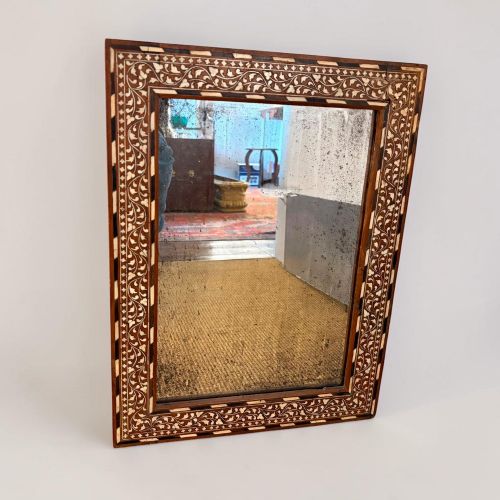
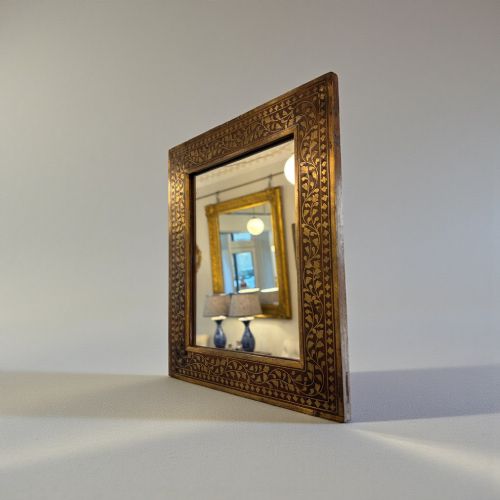
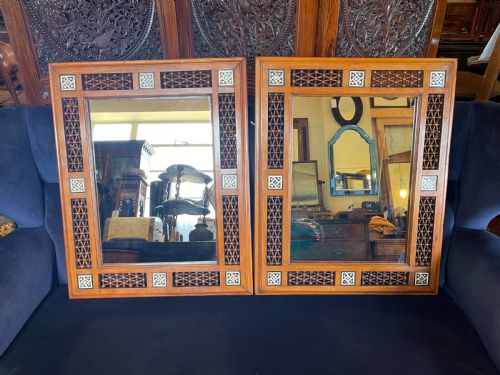
When you search for an indian wood mirror, you find decorative looking glasses shaped by distinct regional traditions spanning the nineteenth and early twentieth centuries. These pieces encompass wall mirrors, dressing table mirrors, and wall sconces created in styles ranging from Anglo-Indian and Kashmiri to Moorish Revival and Regency.
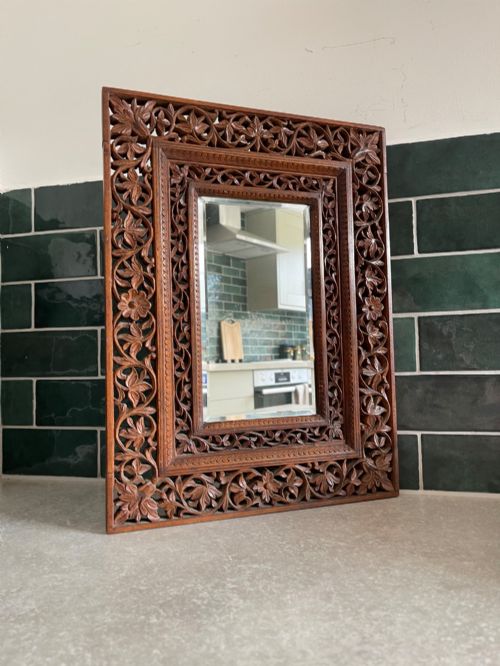
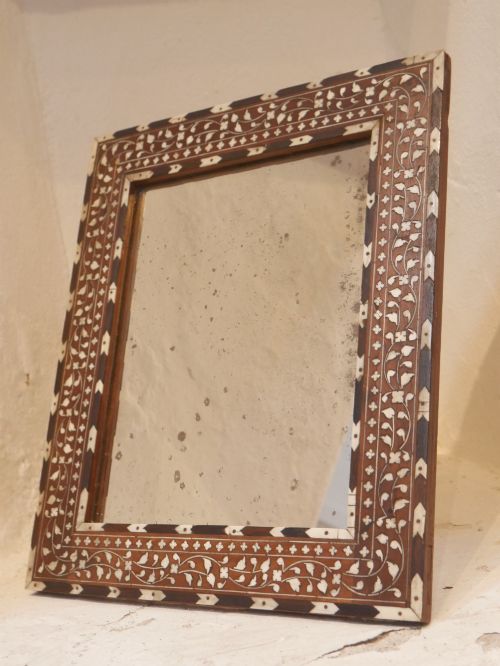
The most common versions met on this page include carved hardwood and inlaid frames originating from centres such as Hoshiarpur and Kashmir. They bridge domestic utility with intricate ornamental woodwork, often featuring detailed botanical motifs or geometric patterns.
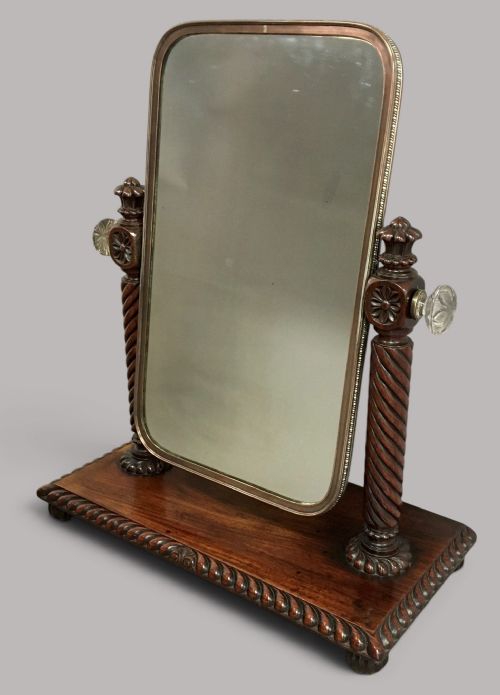
Earlier examples display Regency and Victorian colonial influences, utilising dense tropical timbers like teak, padouk, and rosewood. These range from compact dressing mirrors to large wall and overmantle formats designed for prominent display.
How they were made
The construction relies heavily on native hardwoods such as teak, shisham, padouk, and rosewood, which provide a stable foundation for intricate hand-carved decoration. Artisans shaped these dense timbers using traditional woodworking techniques to build robust frames capable of supporting heavy glass.
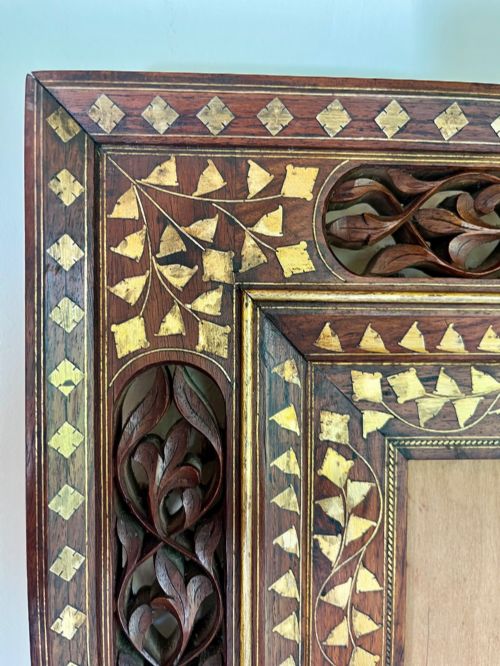
Surface ornamentation frequently incorporates contrasting materials, with brass wire inlay, pierced pierced-edge work, and delicate bone or ivory detailing set flush into the wood. Kashmiri and Hoshiarpur pieces demonstrate specialist carving methods where the entire wooden surface is densely patterned with floral or scrollwork designs.
Indian Wood Mirror Retail Price Guide 2026
Typical asking prices for indian wood mirror among the pieces listed under this phrase on Sellingantiques today, from the lower quarter to the upper quarter. They describe what is for sale here now, not the wider market.
Listings feature periods from the Regency era through the Victorian epoch up to the early twentieth century, utilising teak, rosewood, and glass.
What varies in quality
The refinement of the hand-carving defines the upper tier of these pieces, where depth, symmetry, and crispness of detail show superior artisan skill. Shallower or repetitive stamping indicates standard production, whereas master carvers achieved profound dimension and fluidity across the wooden frame.
The complexity of inlay work distinguishes finer examples, particularly where brass wire and bone or ivory sections remain complete and tightly fitted within the timber. The choice of primary timber also marks distinction, with heavy native hardwoods and well-documented regional schools commanding greater interest.
The Indian Wood Mirror Glossary
- Anglo-Indian
- Descriptive of furniture and decorative objects made in India under British rule, frequently combining European forms with traditional local craftsmanship. These pieces often utilise native timbers combined with intricate carving or inlay.
- Hoshiarpur
- A historic centre in the Punjab renowned for its skilled woodcarving and inlaid decorative work. Makers from this region specialised in dense floral patterns using brass, bone, or ivory set into shisham and other hardwoods.
- Kashmiri
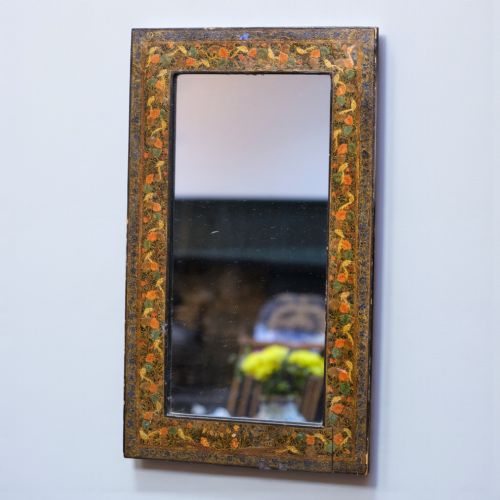
- Pertaining to decorative arts originating from Kashmir, often characterised by brightly painted or deeply carved wooden surfaces. Mirrors from this tradition frequently display delicate pierced edges and floral motifs.
- Padouk
- A heavy, durable tropical hardwood with a distinctive reddish-brown tone used in fine colonial cabinetmaking. It provides exceptional stability for detailed carving and large structural frames.
- Sconce
- A wall-mounted bracket fixture designed to hold candles or lights, frequently paired with a mirrored backplate to amplify illumination. These items combine functional lighting with decorative wooden frames.
Indian Wood Mirror: Frequently Asked Questions
How do I date an indian wood mirror?
Dating relies on examining the timber species, construction joints, and the style of carving or inlay. Nineteenth-century examples often display dense tropical hardwoods and hand-cut brass wire, while later pieces show shifts in regional workshop output.
Changes in mirror glass thickness and silvering techniques also provide clues, as older plates exhibit subtle distortions or bevels characteristic of nineteenth-century production methods.
Where should I hang a carved wall mirror?
These mirrors suit rooms where their detailed frames can be appreciated without visual competition from busy wallpaper. Hallways, living rooms, and above mantlepieces offer ideal placement to reflect light and highlight the woodwork.
Ensure the wall fixings match the substantial weight of dense hardwoods like teak and padouk, using appropriate brackets to secure the heavy frame safely.
What is the difference between Hoshiarpur and Kashmiri styles?
Hoshiarpur pieces are defined by intricate woodcarving inlaid with contrasting materials such as brass wire, bone, or ivory set into shisham wood. The decoration is geometric and botanical, covering every visible surface.
Kashmiri mirrors typically focus on deeply carved wooden frames with pierced edges rather than extensive multi-material inlay. They showcase flowing floral relief work unique to northern regional traditions.
How do I care for antique wood and brass inlay?
Maintain the timber by dusting regularly with a dry cloth and occasionally applying a minimal amount of appropriate natural wax to nourish the dry hardwood. Avoid liquid polishes that can seep into carved recesses or loosen delicate inlay.
Keep the mirror away from direct sunlight and fluctuating humidity sources, which can cause the timber to expand and compromise the fitted brass or bone elements.