
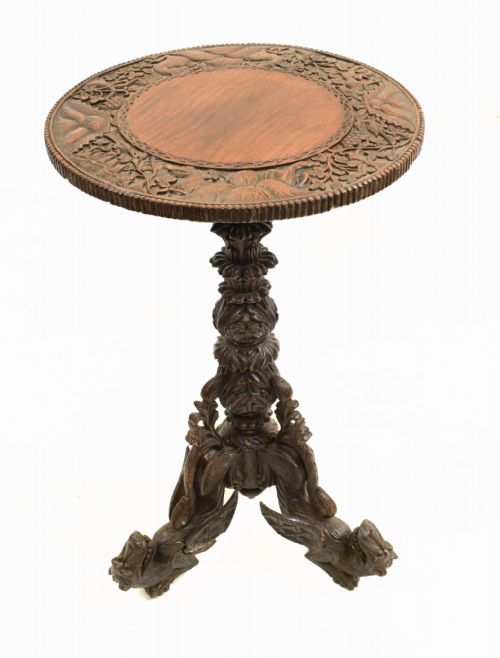


Indian Teak Plant Stand
An indian teak plant stand brings intricate colonial craftsmanship and rich timber into a room, offering a sturdy yet decorative stage for foliage.
Indian Teak Plant Stand
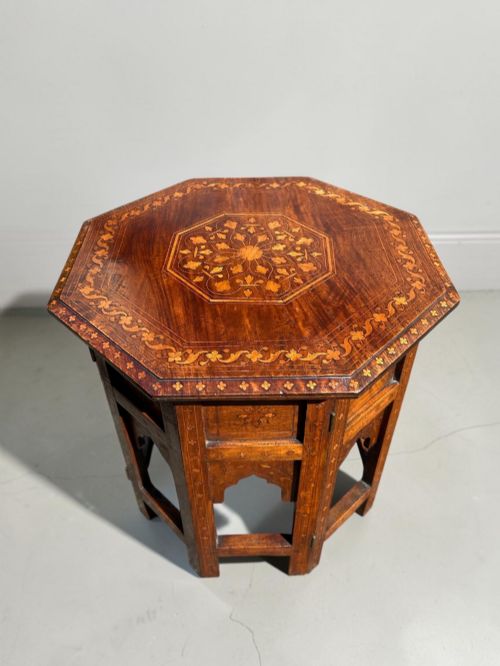
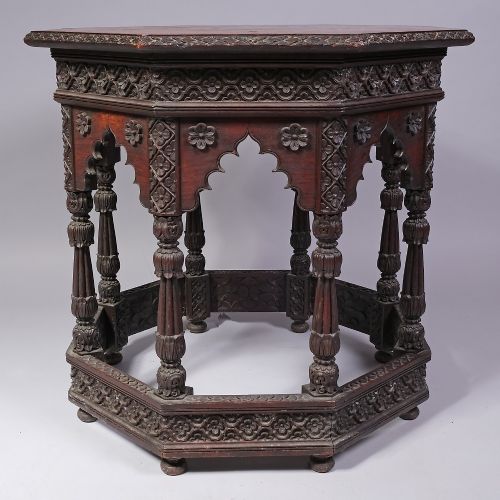
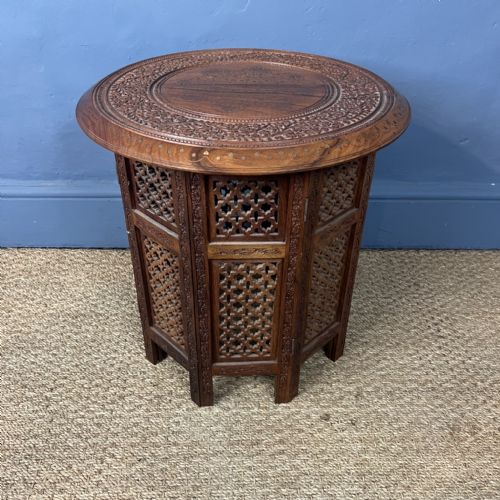
An indian teak plant stand embodies the rich intersection of domestic furniture and colonial design traditions, spanning the nineteenth century through the early decades of the twentieth century. These pieces emerge predominantly in Anglo-Indian and Anglo-Burmese styles, encompassing forms like octagonal tables, pedestals, and occasional stands.
Buyers seeking an indian teak plant stand will encounter structured surfaces and sculptural supports shaped by regional craftsmanship. Workshops across regions like Hoshiarpur and the Bombay Presidency produced these items using dense tropical woods and intricate joinery.
The material vocabulary of these items leans heavily on solid teak, rosewood, and hardwood, often elevated by figural motifs such as elephants and camels. These tables balance utility and display, serving equally well as plant supports or low side tables.
What Varies in Quality
The distinction between tiers rests upon the depth and precision of the carving across the teak surface. Skilled hands rendered foliage and animal figures with sharp relief and balanced symmetry, whereas lesser examples show shallow, rushed incisions.
Integration of inlay work defines another measure of distinction in an indian teak plant stand. Fine examples feature tightly fitted brass and bone segments flush with the surrounding hardwood, while simpler pieces rely solely on carved decoration without metal or bone embellishment.
Materials recorded across current items include solid teak, rosewood, brass inlay, and carved bone set into hardwood frames.
The Indian Teak Plant Stand Glossary
- Anglo-Indian
- Design style blending British furniture forms with traditional Indian craftsmanship and materials. It typically manifests in heavily carved tables and stands produced during the colonial era.
- Hoshiarpur
- A northern Indian centre renowned for intricate woodwork and inlay. Makers from this region specialised in dense geometric patterns using brass and bone.
- Campaign Table
- Portable furniture designed for easy transport by military officers or travellers. These pieces often feature folding frames or removable tops.
- Occasional Table
- A small, versatile table intended for light, intermittent use in various domestic rooms. These forms serve readily as plant supports or display surfaces.
Indian Teak Plant Stand: Frequently Asked Questions
What is an indian teak plant stand used for?
These pieces serve as sturdy, elevated platforms designed to hold potted plants, urns, or decorative objects within a room. Their compact footprints allow them to fit into corners or beside seating areas easily.
Beyond displaying greenery, many of these tables function as versatile occasional or side surfaces for lamps and books. Their decorative carvings ensure they remain striking visual accents even when unoccupied.
How do I date an antique indian teak plant stand?
Dating relies heavily on recorded stylistic shifts, construction methods, and materials associated with specific periods from the nineteenth century onward. Pieces featuring elaborate brass and bone inlay often align with late Victorian or Edwardian production.
Examining the underside, joinery, and wear patterns helps confirm the age of the timber and hardware. Documentation or specific regional motifs, such as Hoshiarpur work, also narrow down the era of manufacture.
Are these stands suitable for modern interiors?
The dense grain and warm tones of teak integrate smoothly into contemporary living spaces, contrasting well with neutral walls and modern upholstery. Their compact scale makes them practical additions to hallways, studies, and living rooms.
Pairing one with modern foliage highlights the traditional craftsmanship without overwhelming a minimalist room. The sturdy construction ensures daily durability in active households.
What is the difference between Indian and Burmese styles?
Indian styles frequently incorporate detailed geometric carving, bone inlay, and iconography such as elephants or peacocks, particularly from regions like Hoshiarpur and Bombay. These designs emphasise complex surface ornamentation.
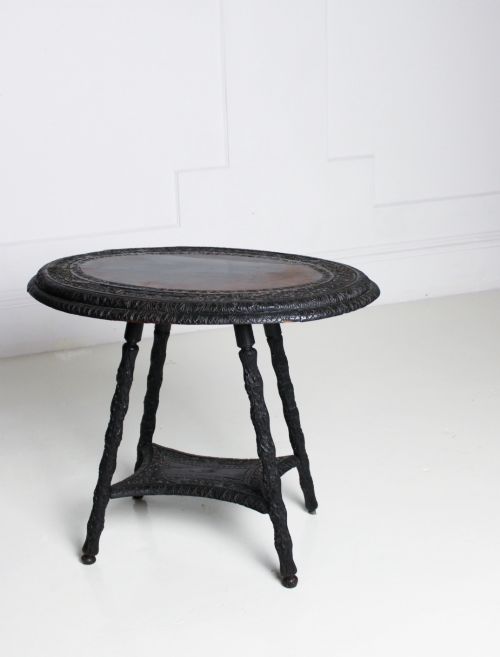
Burmese pieces often display deep, sculptural relief work featuring robust animal forms and scrolling foliage. The joinery and timber selection reflect distinct regional woodcarving traditions of Myanmar.