



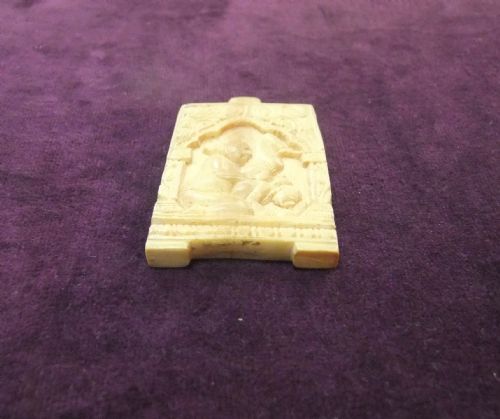


Indian Miniature
These indian miniature pieces bring rich courtly scenes and delicate portraiture to your walls, offering centuries of intricate hand-painted skill in compact formats.
Indian Miniature
When you search for indian miniature, you encounter a diverse selection of traditional paintings, framed artwork, and decorative items spanning multiple centuries. These works capture courtly life, royal portraits, and romantic landscapes with remarkable precision.
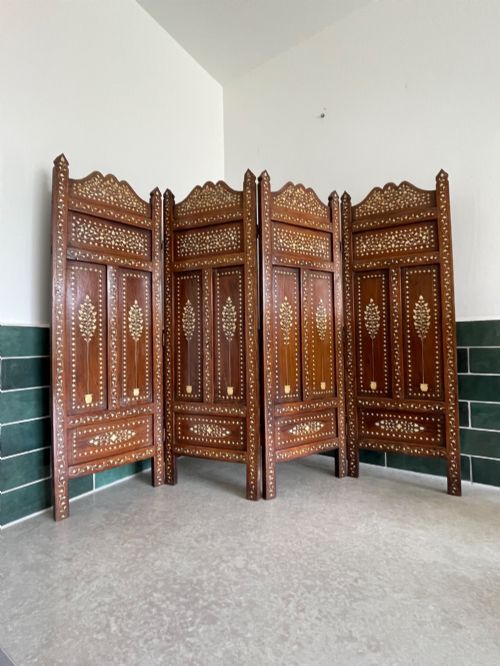
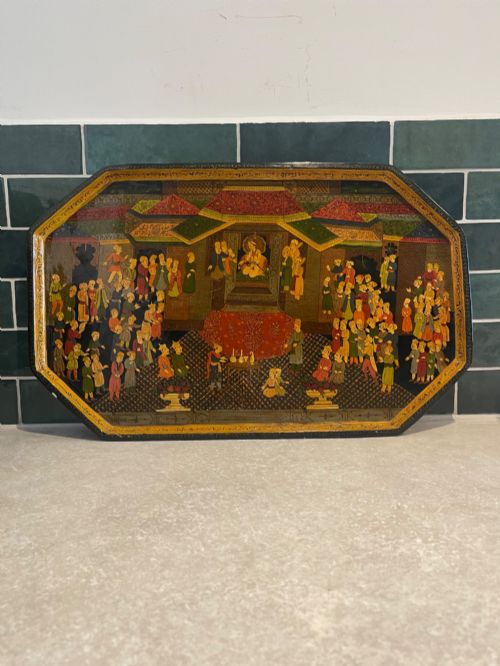
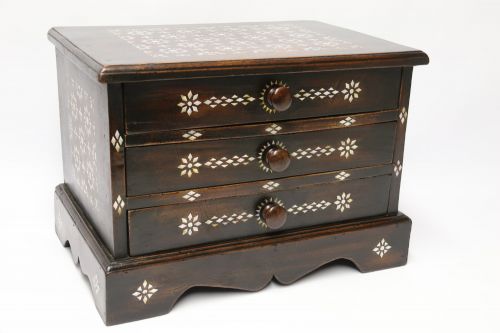
The objects on this page range from early album pages and gouache paintings to practical decorative items like Kashmiri trays, pen cases, and collector chests. Pieces originating from the Mughal and Indian schools predominate, alongside regional styles such as Deccani art and Kashmiri craftsmanship.
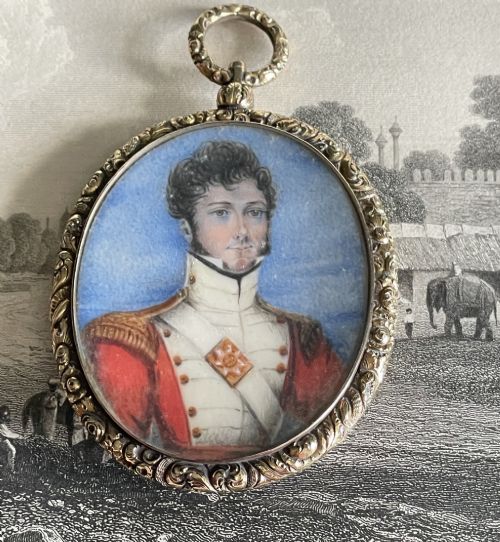
Dated examples stretch from the seventeenth century through to the early twentieth century, showing both traditional court aesthetics and later Anglo-Indian interpretations. Buyers frequently find framed portraits of nawabs alongside intricate silk paintings and album pages.
How they were made
Makers utilised fine paper, silk, and card as the primary foundation for paintings, applying rich gouache and paint to achieve deep colour saturation. Artisans also worked with papier-mache and lacquer to create durable surface finishes on decorative trays and pen cases.
Woodworking played a major role in three-dimensional pieces, with hardwood, bone, and inlay techniques defining the construction of collector chests, linen presses, and table screens. Skilled carvers utilised local materials to produce detailed panels and miniature furnishings.
Indian Miniature Retail Price Guide 2026
Typical asking prices for indian miniature among the pieces listed under this phrase on Sellingantiques today, from the lower quarter to the upper quarter. They describe what is for sale here now, not the wider market.
The selection includes flat paintings, album pages, and three-dimensional objects such as pen cases, collector chests, and table screens.
What varies in quality
Material selection and decorative enrichment also influence the overall standard, particularly in objects combining painting with woodwork, inlay, or lacquering. Superior execution appears in the crispness of the framing, the stability of the support, and the preservation of the original pigments.
The Indian Miniature Glossary
- Gouache
- An opaque water-based paint frequently used in traditional painting to achieve flat, saturated areas of colour.
- Papier-mache
- A composite material made from paper pulp or layers of paper reinforced with glue, moulded and lacquered to form trays and pen cases.
- Album page
- A single leaf from a bound collection, often featuring a painted scene on one side and calligraphic text on the reverse.
- Mughal School
- An artistic tradition associated with the Mughal Empire, characterised by fine realism, vibrant pigments, and detailed courtly scenes.
Indian Miniature: Frequently Asked Questions
How do I hang an antique painting?
Most framed artwork requires stable wall fixings suited to its weight and protective glazing. Keep pieces away from direct sunlight to preserve the delicate pigments.
Ensure your display area maintains a stable humidity level to protect paper, silk, and wood supports from environmental damage.
What is an album page?
Album pages are individual leaves originally compiled into royal or scholarly bindings. They often feature a central miniature painting surrounded by decorative borders.
Collectors prize these leaves for their dual representation of historical painting styles and traditional calligraphy.
How do I clean papier-mache items?
Dust lacquered papier-mache surfaces gently with a soft, dry cloth. Avoid using water, liquid cleaners, or chemical solvents on painted finishes.
Keep these objects away from direct heat sources to prevent the lacquer from cracking or warping over time.
Are these pieces signed by artists?
Most traditional miniature paintings remain unsigned, as workshops operated collectively under royal patronage. Attributions rely on stylistic analysis rather than maker signatures.
Particular schools and regional traditions help specialists date and categorise individual works without relying on a signature.