




Indian Metal Vessel
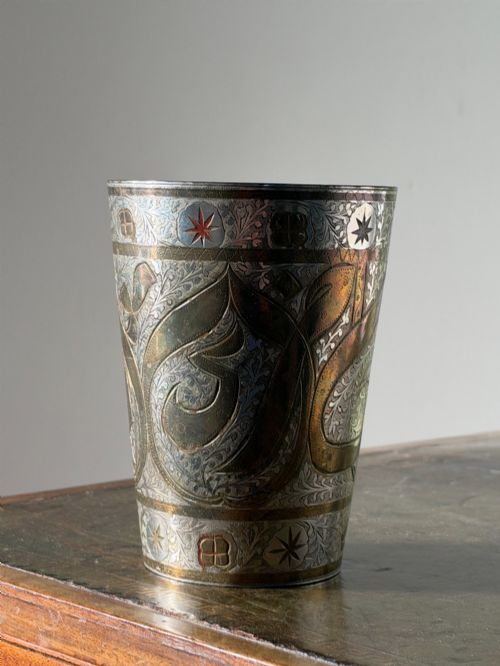
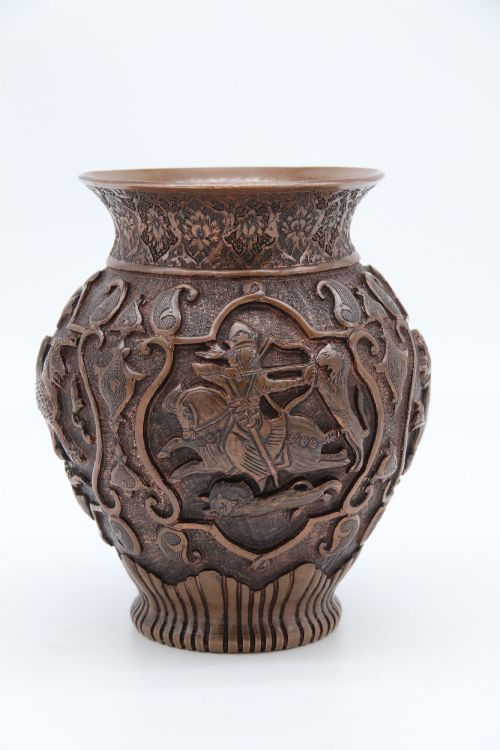
These Indian metal vessel pieces bring substantial weight and intricate metalwork into a room.
Indian Metal Vessel
When you search for an indian metal vessel, you encounter objects spanning the mid-nineteenth century to the end of that hundred years, including the Raj period. The selection on this page consists principally of brass, bronze, and copper items ranging from domestic measures to ritual pieces.
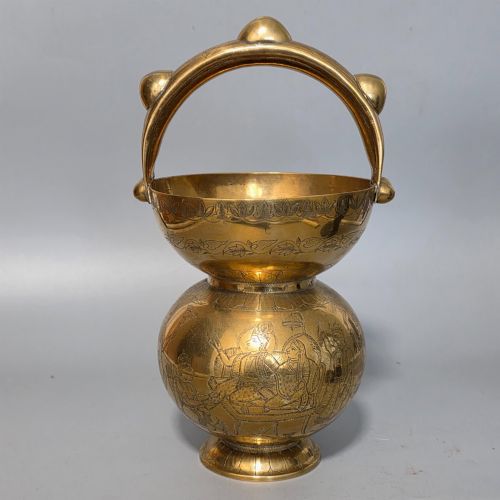
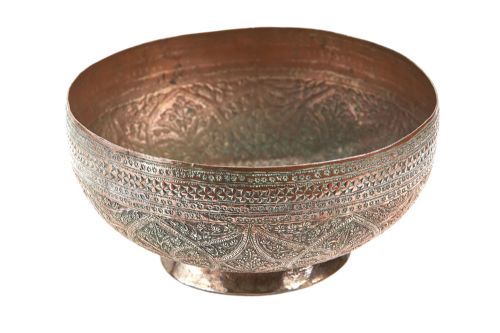
The forms recorded here include cachepots, jardinières, vases, ceremonial bowls, incense burners, and water carriers like the Kamandal and Aftaba. Many of these date from around eighteen-sixty to nineteen-hundred and reflect Anglo-Indian, Indo-Persian, and Victorian aesthetic influences.
How they were made
The construction relies heavily on traditional metalworking techniques applied to copper, brass, and bronze. Artisans shaped these metals through casting and hand-beating.
Surface ornamentation is a defining characteristic, achieved through deep hand-carving, chasing, repoussé work, and hand-engraving to produce detailed patterns across the bodies of the vessels.
Indian Metal Vessel Retail Price Guide 2026
Typical asking prices for indian metal vessel among the pieces listed under this phrase on Sellingantiques today, from the lower quarter to the upper quarter. They describe what is for sale here now, not the wider market.
Listings span the nineteenth century, featuring brass, bronze, and copper in forms ranging from incense burners to jardinières.
What varies in quality
The distinction between standard domestic items and superior examples rests in the depth and execution of the surface decoration. Deeply hand-carved and chased motifs require considerable skill compared to lighter surface scratching.
Form also dictates standing, with specialised ceremonial pieces and works associated with specific institutions, such as the Jeypore School of Art, demonstrating greater artistic ambition than simple utility wares.
The Indian Metal Vessel Glossary
- Repoussé
- A metalworking technique where the metal is hammered from the reverse side to form a raised design in relief on the front. This method creates tactile depth on copper and brass surfaces.
- Kamandal
- A traditional spherical water vessel or holy water carrier associated with Hindu usage. These are typically fashioned from brass with rounded bodies.
- Aftaba
- A traditional long-spouted ewer or water vessel used for ceremonial washing or pouring. They frequently feature elaborate handles, such as those shaped like makara.
- Jardinière
- A decorative pot or stand designed to hold plants or flowers. In these listings, they appear in brass and are often heavily engraved.
- Seer
- A traditional unit of measurement in South Asia, reflected here in sets of metal measuring vessels. These objects served practical economic functions before becoming decorative items.
Indian Metal Vessel: Frequently Asked Questions
What metals were used for these Indian vessels?
The pieces recorded here are constructed primarily from brass, bronze, and copper. Each metal provides a distinct tonal quality and weight.
These materials were chosen for their durability and suitability for intricate hammering, casting, and hand-engraving.
How can I date an antique Indian metal vessel?
Dating relies on stylistic markers, materials, and documented periods such as the Raj era or the late nineteenth century. Specific production techniques also offer clues to the age of the piece.
Items associated with particular institutions or decades carry stylistic traits typical of nineteenth-century metalwork.
Were these vessels purely decorative?
Many objects had practical or ritual origins before entering the decorative sphere. Examples include measuring vessels, holy water carriers, and ceremonial burners.
Over time, items like cachepots and jardinières found a permanent place in domestic interiors for display and horticulture.
What is an Aftaba?
An Aftaba is a traditional vessel featuring a long spout and often an ornate handle. They were utilised for ceremonial washing and water handling.
Bronze examples often incorporate mythical creature motifs like the makara on their handles.