


Indian Folk Art
These indian folk art pieces bring raw, unstudied regional spirit into a room, offering tactile connection to traditional village life.
Indian Folk Art
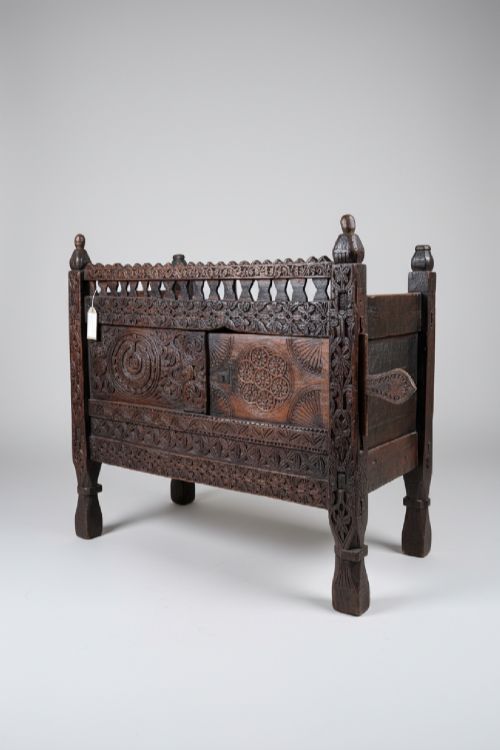
When people search for indian folk art, they encounter a wonderfully diverse range of objects spanning utility and ritual, from dowry chests and spice boxes to temple paintings and wooden sculptures. The selection includes domestic furniture like cupboards and wedding chairs alongside textiles and ceremonial headdresses.
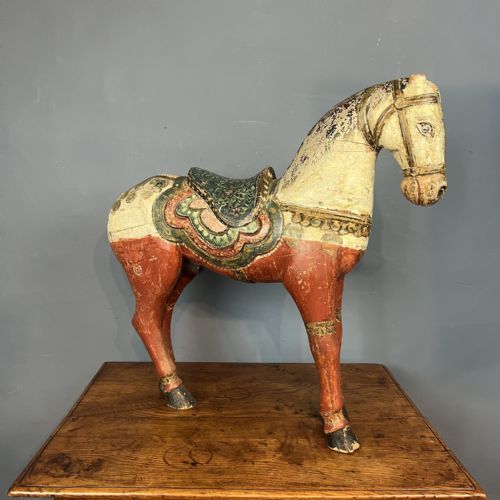
Most examples appearing in trade date from the nineteenth and early twentieth centuries, reflecting the distinct vernacular traditions of regions such as Swat Valley, Kerala, and Rajasthan. Buyers meet everything from large carved processional horses to small coconut shell containers, each carrying the unmistakable mark of hand craftsmanship.
The category bridges utilitarian household goods and religious expression, encompassing items like spinning wheels, terracotta tent pole tops, and painted wall cloths. This duality makes the grouping appealing to decorators seeking pieces with genuine cultural history rather than mass-produced uniformity.
Materials and construction
Wood is the dominant medium across these objects, utilising regional timbers such as cedar, hardwood, shisham, and oak. Artisans worked these materials using traditional hand-carving techniques to shape figures, furniture, and vessels.
Surface decoration frequently relies on applied paint and pigment, creating vibrant polychrome finishes on items ranging from rocking horses to architectural cupboards. Textiles are also prominent, employing cotton and fabric combined with traditional kalamkari techniques for wall hangings and temple cloths.
Listings feature items spanning the eighteenth to the twentieth centuries, utilising wood, paint, iron, cotton, and terracotta.
Assessing quality and character
Quality in these pieces rests in the confidence of the carving and the preservation of original painted surfaces. The best examples display vigorous tool marks and expressive forms that reveal the maker's hand directly.
Original pigment retention significantly influences the appeal of painted wooden sculptures, chests, and textiles. Pieces that retain their genuine patination and early polychrome decoration stand apart from those with later repainting.
The Indian Folk Art Glossary
- Kalamkari
- A traditional type of hand-painted or block-printed cotton textile produced in India. These textiles often depict elaborate Hindu stories and mythological scenes.
- Polychrome
- Decorated in a variety of colours. This term describes wooden sculptures and chests that retain their original multi-hued painted finishes.
- Charkha
- A traditional spinning wheel used for spinning yarn. These wooden implements form part of the utilitarian vernacular tradition.
- Terracotta
- Baked earth used for pottery and sculpture. In this context, it appears in architectural elements like tent pole tops and ritual figures.
- Shisham
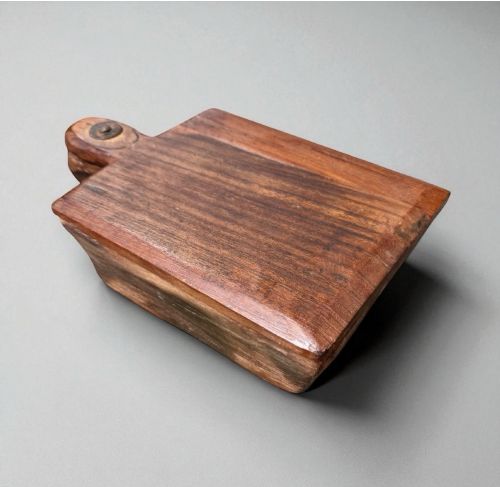
- A durable Indian hardwood commonly used for traditional furniture and platters. Artisans prize it for its rich grain and suitability for detailed carving.
Indian Folk Art: Frequently Asked Questions
How do I date these pieces?
Dating relies on assessing wood shrinkage, tool marks, and the wear patterns on painted surfaces. Stylistic cues specific to regional workshops also help narrow down the period.
Most items seen here cluster in the nineteenth and early twentieth centuries. Comparing construction methods with dated examples provides a reliable baseline.
Are painted wooden items fragile?
The original pigments can be sensitive to direct sunlight and fluctuating humidity levels. Gentle dusting with a dry cloth is sufficient for maintenance.
Stable indoor conditions preserve both the timber substrates and the fragile polychrome layers. Avoid using liquid cleaners on painted surfaces.
Where were these objects used?
Many originated in village homes, agricultural settings, and local shrines across different regions of the subcontinent. Items like dowry chests and spice boxes served daily domestic functions.
Others, such as temple paintings and dancers' headdresses, played roles in religious festivals and rituals. This diverse origin gives the grouping its eclectic character.
How do I style folk art at home?
These pieces work well as focal points in contemporary or traditional interiors, adding texture and history. A large carved animal or a painted cupboard can anchor a neutral room.
Smaller objects like boxes and textile wall art easily integrate into shelf displays or gallery walls. Their strong visual presence requires minimal surrounding decoration.