




Decorative Wooden Wheel
A decorative wooden wheel brings organic warmth and mechanical heritage into a room.
Decorative Wooden Wheel
When you search for decorative wooden wheel, you encounter a diverse group of objects connected by timber construction and circular form. The selection spans utilitarian machinery adapted for display, such as spinning wheels and cart wheels, alongside architectural salvage.
Most pieces date from the nineteenth century, including Victorian examples alongside Indian folk art objects. Forms range from large ship wheels to smaller domestic items like distaffs and charkras.
The objects cross several traditional categories, bringing together maritime history, agricultural heritage, and textile production tools. Each item retains the patina of its original function while serving purely decorative purposes in modern interiors.
How they were made
Makers utilised native and exotic timbers including mahogany, oak, teak, and various hardwoods, often combining them with iron or brass fittings. Structural stability required traditional joinery suited to items intended for movement or tension.
Surface treatments vary from polished grain to polychrome paint and fabric elements. Turnery and hand-carving define the decorative elements on domestic items, while cart and ship wheels display robust carpentry designed to withstand heavy physical loads.
Some wheels have travelled from maritime decks to Victorian nurseries, pausing briefly to help spin silk.
What varies in quality
Quality rests upon the crispness of the original timber carving, the integrity of the joins, and the survival of untouched surfaces. Items retaining their original paint or polish command attention for their visual depth.
Proportion and scale dictate the success of the piece within a decorative scheme. Finer examples display balanced turning and harmonious integration of mixed materials like brass and iron.
The Decorative Wooden Wheel Glossary
- Charkra
- A portable traditional Indian spinning wheel. These compact devices often feature intricate woodwork.
- Distaff
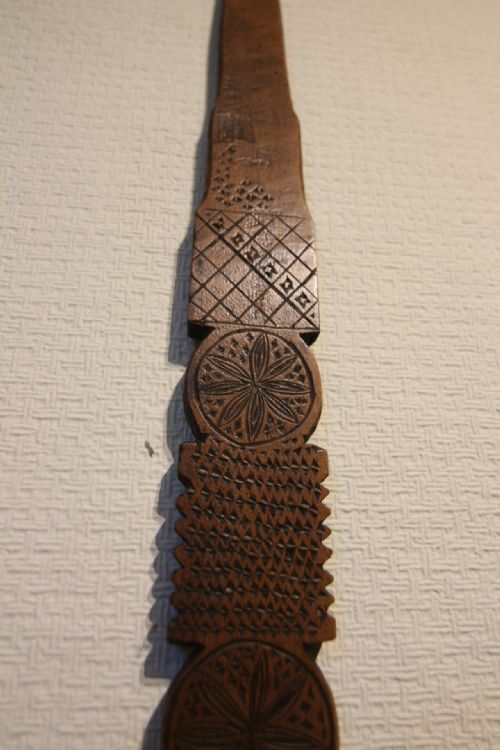
- A staff that holds wool or flax for spinning. These carved wooden implements frequently display folk art motifs.
- Polychrome
- Decorated in multiple colours. This surface treatment appears on nineteenth-century children's items and folk objects.
- Marquetry
- Fitted decorative wood veneers forming geometric or pictorial patterns. This technique decorates nineteenth-century precision instruments.
Decorative Wooden Wheel: Frequently Asked Questions
What is a decorative wooden wheel?
These items are functional objects from past centuries, such as spinning wheels, cart wheels, and ship wheels, repurposed for interior display. They combine mechanical utility with traditional carpentry.
Materials typically include timber combined with iron or brass, reflecting their original industrial or domestic use.
How were these wheels used originally?
Many served in textile production, marine navigation, or agricultural transport. Items like charkras and spinning wheels processed fibres into yarn.
Larger items directed ships or supported carts, while smaller pieces formed part of domestic or child-related equipment.
How do I date a wooden wheel?
Dating relies on timber choice, construction methods, and stylistic markers such as Victorian or Neoclassical details. Nineteenth-century examples often show hand-turned components and specific patination.
Comparative analysis of hardware like brass fittings and iron bands also helps establish the period.
Where do these pieces fit in a home?
Large ship wheels or cart wheels suit open wall spaces or garden settings as architectural focal points. Smaller spinning wheels and distaffs integrate easily into studies or living rooms.
Their mixed wood and metal construction pairs naturally with both traditional and contemporary interiors.