




Antique Spinning Wheel
These antique spinning wheel items span centuries of domestic craft, offering tactile history and rustic character for country houses and period interiors.
Antique Spinning Wheel
An antique spinning wheel brings traditional domestic machinery and related textile tools into a modern interior. These pieces range from upright wooden devices to mounted Indian silk variants and carved oak charkras.
Buyers also encounter related material such as carved folk art distaffs, nineteenth-century oil paintings depicting spinners, and low chairs designed specifically for domestic textile work. The selection reflects both operational tools and the enduring artistic fascination with domestic cottage industries.
Materials and construction methods
The physical objects utilise traditional timbers including oak, mahogany, teak, and varied hardwoods, often shaped with hand-carved folk art ornamentation. Iron and metal stands appear alongside wooden frameworks, providing the necessary stability for operational wheels.
Painted and printed works use oil on panel or canvas, and hand-coloured engraving, capturing the texture of spinning scenes from the eighteenth, nineteenth, and early twentieth centuries.
Listings feature items spanning the 18th century, Regency, Victorian, and Edwardian periods, constructed in oak, mahogany, teak, and iron.
Distinctions in quality and execution
Quality rests in the crispness of the hand-carved detail on wooden frames and distaffs, and the integrity of the surviving timber. Simpler traditional workshop pieces contrast with elaborately carved examples from Regency or Victorian periods.
In paintings and engravings, the finesse of the brushwork or hand-colouring dictates the standard, distinguishing casual decorative prints from detailed nineteenth-century school portraits.
The Antique Spinning Wheel Glossary
- Distaff
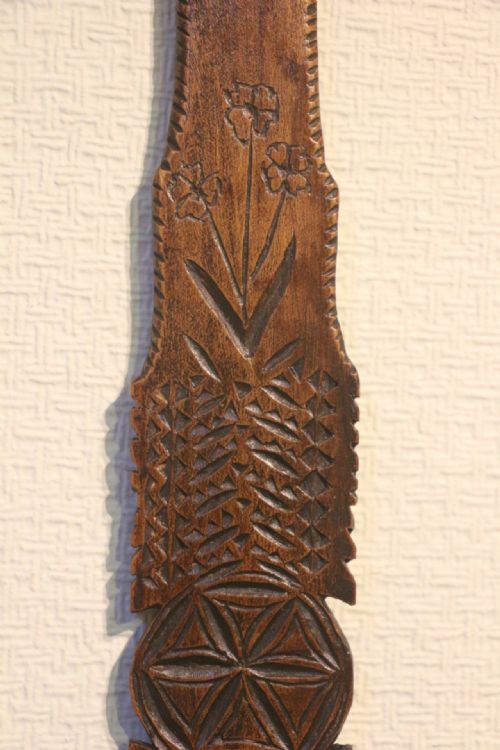
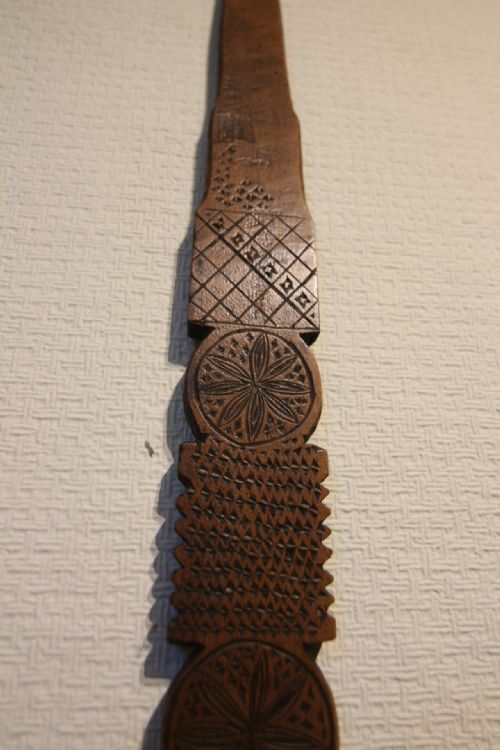
- A staff that holds the unspun flax, wool, or other fibres in readiness for spinning. These carved wooden items appear frequently as standalone folk art pieces.
- Charkra
- A portable traditional Indian spinning wheel used for processing cotton and other fibres. These examples typically date from the early twentieth century and are constructed in oak.
- Bobbin Winder
- A mechanical device used to wind yarn onto a bobbin after spinning. Georgian and later examples reflect functional domestic workshop use.
- Saxony Wheel
- A type of upright spinning wheel featuring a mother-of-all and a flyer mechanism arranged horizontally. Victorian iterations of this style are common.
- Folk Art
- Objects created by self-taught or traditional artisans using local materials. The category includes heavily carved distaffs and utilitarian spinning equipment.
Antique Spinning Wheel: Frequently Asked Questions
Were these wheels used for actual production?
Most surviving domestic wheels were utilised for home textile preparation, spinning wool, flax, or silk before industrial methods dominated.
Over time, many transitioned into decorative parlour items or were adapted for display within period homes.
How do I identify a Victorian spinning chair?
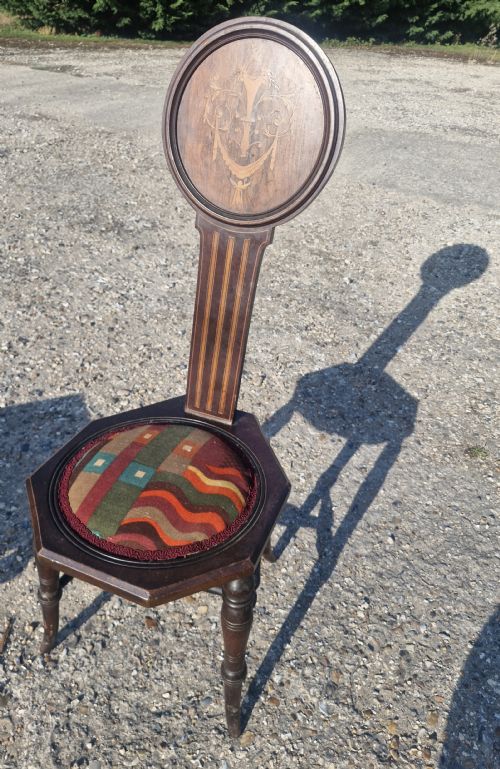
These low wooden stools were constructed with small seats and heavily carved backs to allow women room to operate a wheel without interference.
Nineteenth-century examples often feature elaboratefolk art carving across the seat and backrest.
What is an Indian silk spinning wheel?
These mounted specimens differ in form from traditional European upright styles, designed specifically for processing local silk fibres.
They frequently feature distinctive hardwood framing and nineteenth-century provenance.
How should I care for antique wooden wheels?
Keep wooden frames away from direct heat sources and fluctuating humidity to prevent timber splitting.
An occasional application of appropriate furniture wax preserves the dry, historic surface without altering the patina.