

Indian Carved Chest
An indian carved chest brings dense, aromatic timber and intricate relief work into a room, offering both practical storage and a strong decorative presence.
Indian Carved Chest
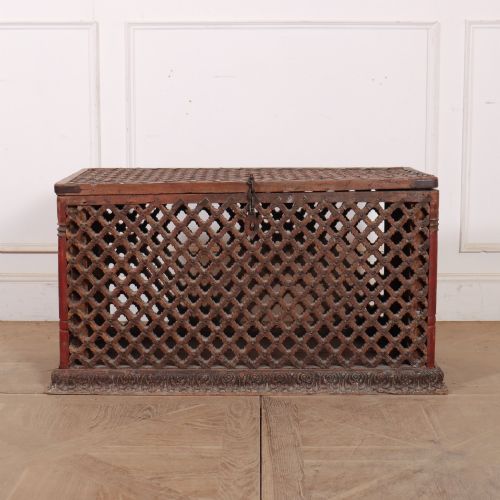
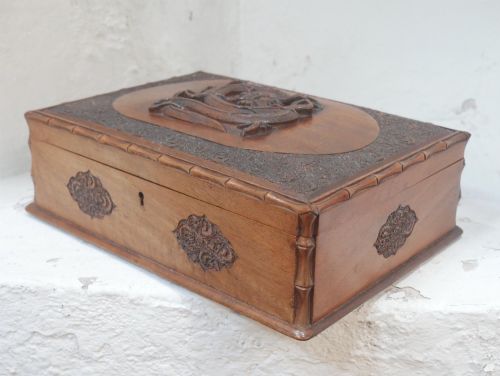
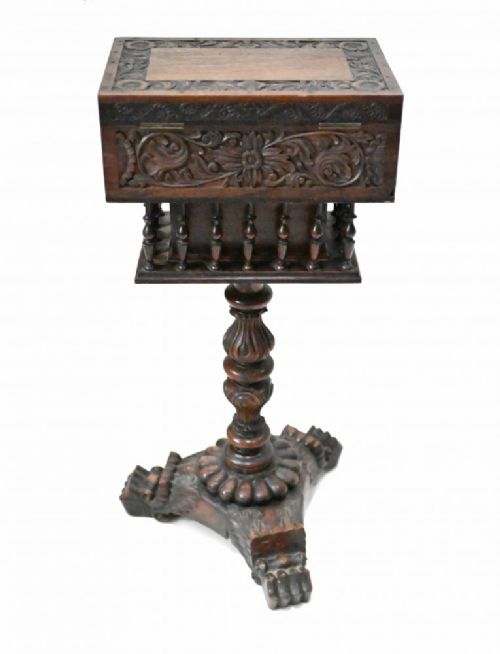
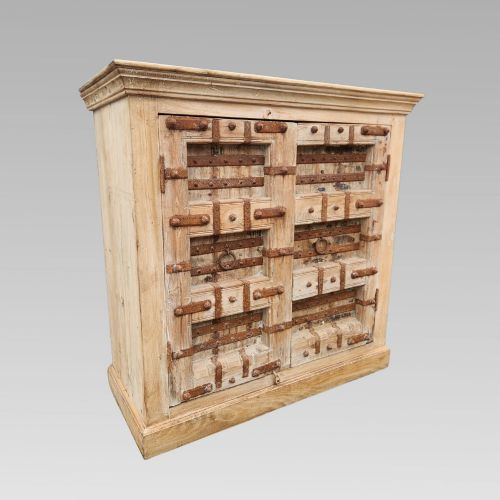
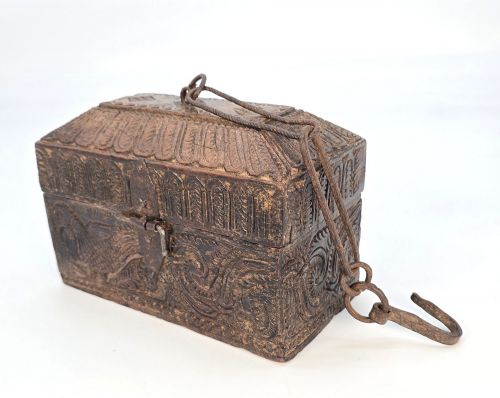
When searching for an indian carved chest, buyers encounter heavy timber containers made for domestic storage, travel, and ceremonial dowries. These objects range from small jewellery caskets and writing boxes to massive dowry chests and storage cabinets.
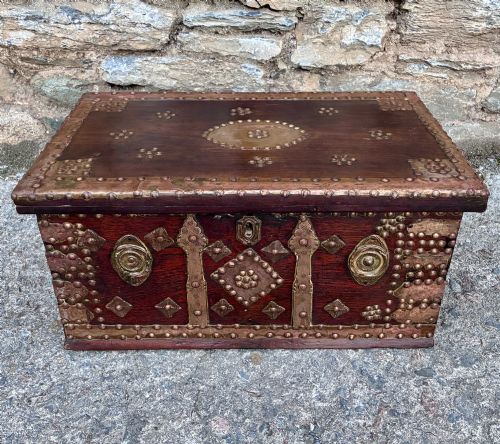
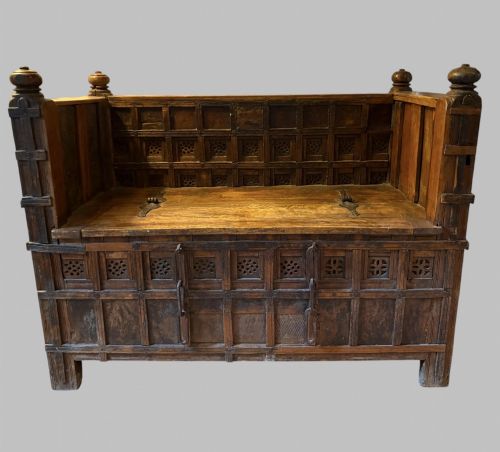
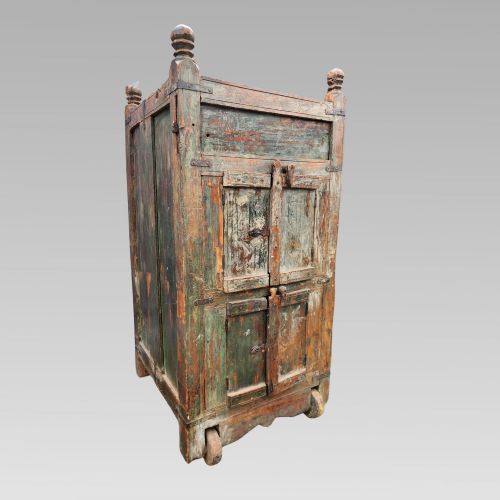
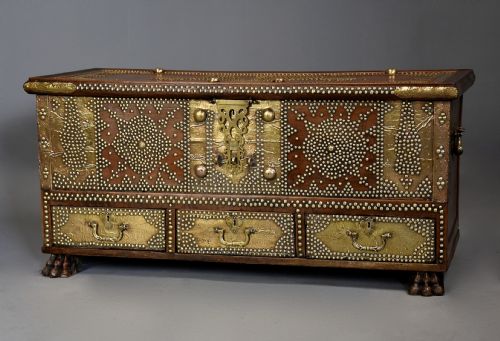
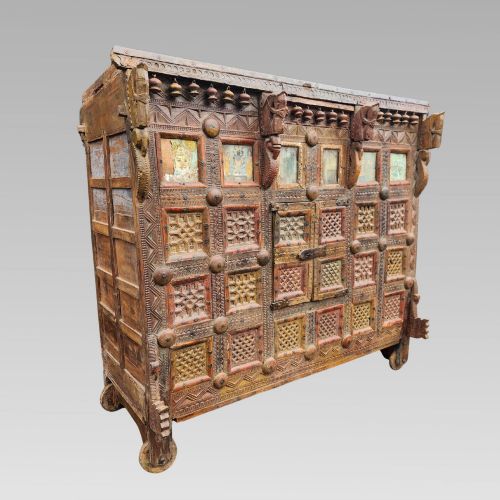
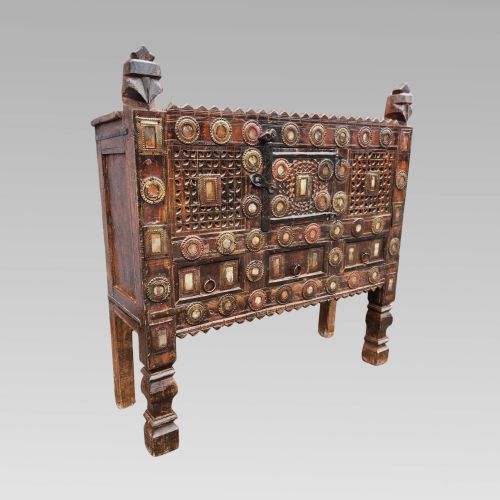
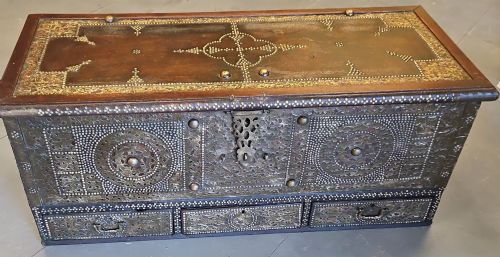
The pieces appearing most frequently on this page date from the nineteenth century, including works described through Anglo-Indian, Colonial, and Zanzibar styles. Heavy teak and hardwood dominate the selection, often shaped into trunks, coffers, and specialised furniture like the Damchiya.
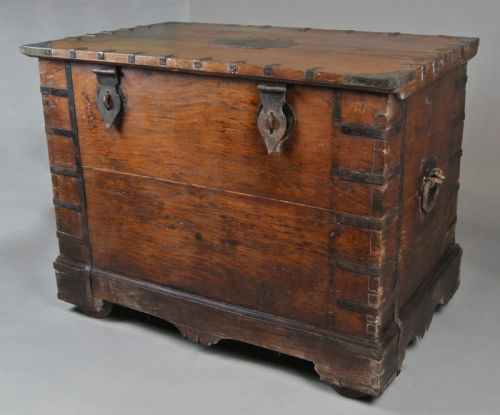
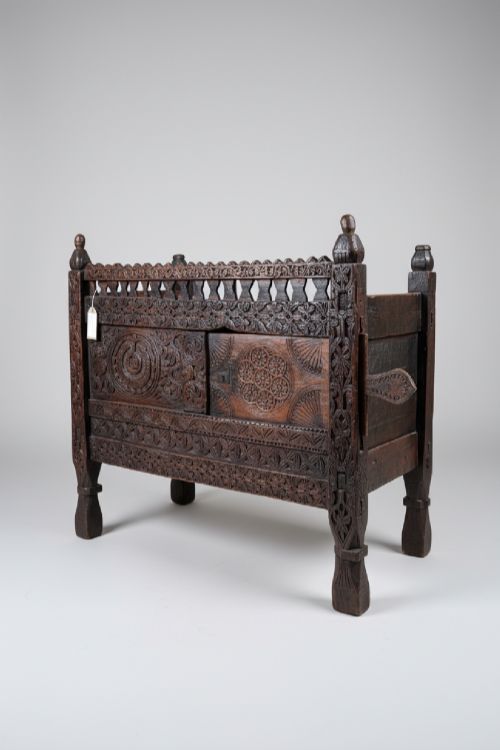
Regional variations span traditional Indian craftsmanship, Swat Valley folk art, and Ceylonese cabinet-making. Buyers also find forms adapted for British colonial use, such as campaign chests and blanket boxes fitted with robust iron and brass hardware.
How they were made
Maker-craftsmen built these pieces using dense tropical timbers such as teak, padouk, ebony, and sandalwood, which resisted local insects and humidity. Carpenters joined structural elements with pegged mortise and tenon joints, leaving the heavy wood to bear the weight without modern adhesives.
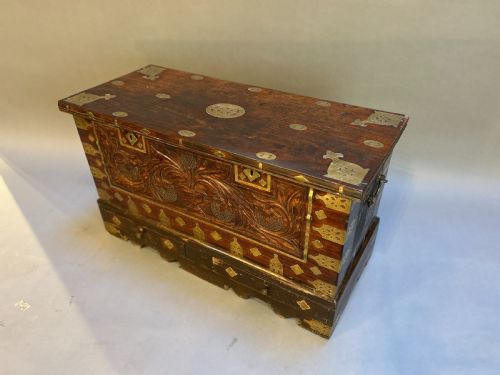
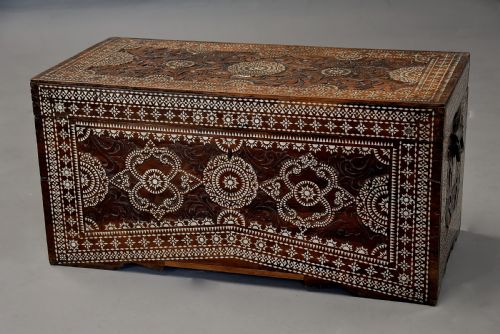
Surface ornamentation relied on deep chisel carving to create floral, geometric, and figural relief patterns across the panels. Workshops enhanced structural strength and visual contrast by reinforcing corners, lids, and edges with hammered iron bands, brass studs, and mother-of-pearl inlay.
Indian Carved Chest Retail Price Guide 2026
Typical asking prices for indian carved chest among the pieces listed under this phrase on Sellingantiques today, from the lower quarter to the upper quarter. They describe what is for sale here now, not the wider market.
Materials recorded across the inventory include teak, padouk, ebony, sandalwood, brass, iron, and glass.
What varies in quality
The grade of an indian carved chest rests on the depth and precision of the chisel work, where crisp, undercut relief denotes superior artisan skill. Finer examples retain tight joinery and original hardware without heavy timber shrinkage or crude later repairs.
Materials also divide the standard of execution, separating straightforward utility items from prestige pieces built in fragrant sandalwood, solid ebony, or highly figured padouk. Complete brass stud work, specialised lock mechanisms, and intact interior compartments elevate the distinction of a piece.
The Indian Carved Chest Glossary
- Damchiya
- A traditional low dowry chest from western India, often featuring heavy carved panels and hidden compartments. These cabinets served a central role in marriage rituals.
- Zanzibar chest
- A heavy timber trunk distinguished by brass stud decoration, strapwork, and elaborate hardware reflecting trade routes between India and East Africa. These chests were built for maritime merchants and traders.
- Padouk
- A heavy, durable reddish-brown tropical hardwood favoured by colonial cabinet-makers for furniture and storage boxes. It polishes to a smooth finish and stands up well to heavy use.
- Campaign chest
- A modular storage cabinet designed to dismantle into sections for military transport during the British colonial period. They typically feature recessed brass handles and corner brackets to prevent damage during travel.
- Dowry chest
- A large ceremonial container made to hold household goods and textiles for a bride. Families decorated these chests with folk motifs, mirrors, or metal banding to mark the importance of the marriage.
Indian Carved Chest: Frequently Asked Questions
What were indian carved chests used for?
These containers served primarily to store textiles, valuable garments, and family documents within traditional households. Large examples functioned as dowry pieces, while smaller caskets held jewellery and writing materials.
Traders and travellers also utilised robust trunk forms for long-distance transport. Over time, many pieces transitioned into static living room furniture and display storage.
Where were these pieces made?
Production centres spanned various regions of the Indian subcontinent, including Rajasthan, Bengal, and Calcutta. Other pieces originated in specialised workshops in Ceylon or through Anglo-Indian colonial outposts.
Distinct regional styles emerged from areas like the Swat Valley, where local folk art traditions shaped the carving and assembly methods.
How do I care for an antique hardwood chest?
Maintain the timber by keeping the piece away from direct heat sources and sudden temperature fluctuations that can cause the wood to split. Dust regularly with a soft, dry cloth to protect the carved relief work.
Avoid heavy liquid polishes, applying a pure beeswax sparingly only if the surface appears dry. This preserves the natural patina accumulated over the centuries.