



Impressionist Wall Decor
Impressionist wall decor brings light and atmosphere into a room through oil paint and watercolour on canvas or paper.
Impressionist Wall Decor
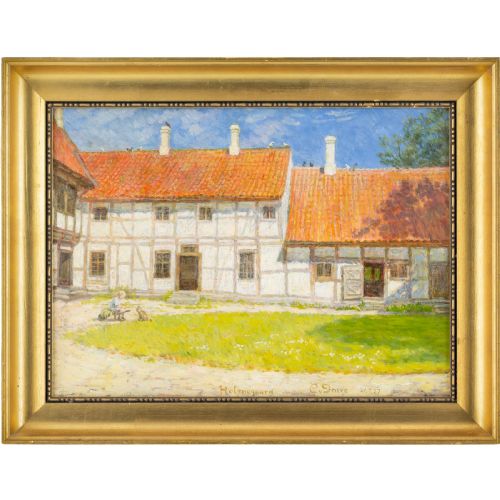
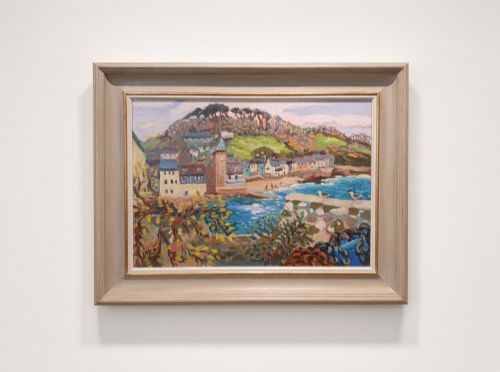
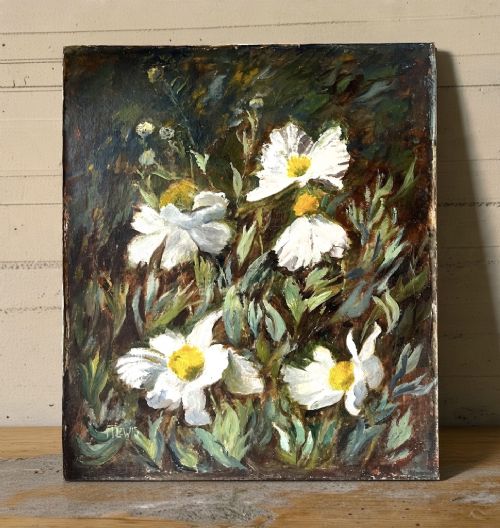
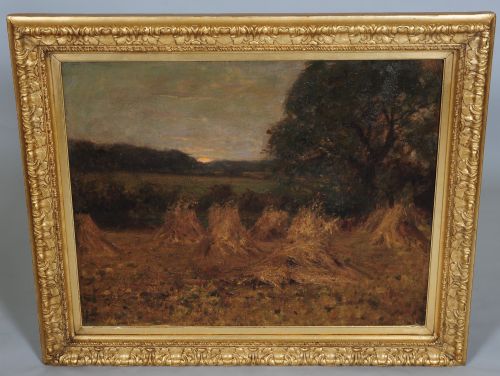
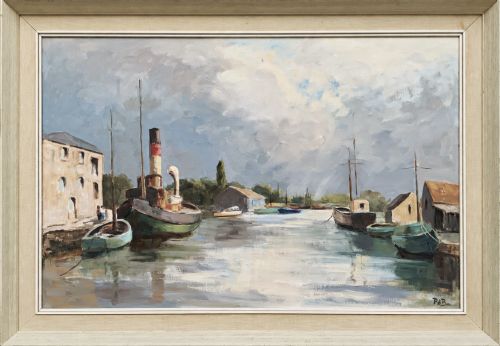
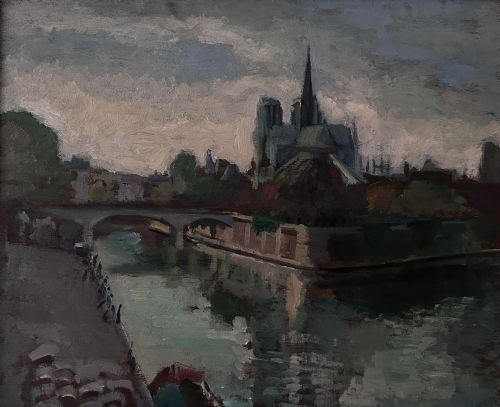
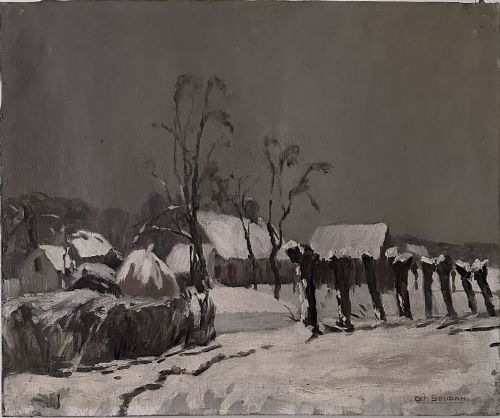
Impressionist wall decor encompasses paintings executed in British Impressionism, Scandinavian Impressionism, and mid-century styles, capturing transient effects of light and weather. When searching for impressionist wall decor, buyers primarily encounter landscape, marine, and harbour scenes alongside floral still lifes and townscapes.
The pieces span from the nineteenth century through the 1960s, reflecting shifts in artistic interpretation across decades. Canvases and wood panels showcase subjects ranging from Cornish fishing ports to French provincial farmyards and bustling cityscapes.
Oil paint on canvas dominates the selection, accompanied by works on paper and wood. These paintings rely on visible brushwork and a focus on natural illumination rather than rigid academic precision.
What varies in quality
Quality rests upon the artist's handling of light, brushwork confidence, and compositional balance. Works that successfully evoke atmospheric depth through painterly nuance stand apart from stiffer, more formulaic compositions.
The preservation of the paint surface and the stability of the canvas or wood support influence the integrity of each piece. Original framing also contributes to the historical context and overall presentation of the artwork.
Impressionist Wall Decor Retail Price Guide 2026
Typical asking prices for impressionist wall decor among the pieces listed under this phrase on Sellingantiques today, from the lower quarter to the upper quarter. They describe what is for sale here now, not the wider market.
Working horses pause at a Normandy trough while spectators gather for Newcastle races.
Caroline Van Deurs·Lucy Pratt·Ernest Rigg·Peggy de Brett·Edward Matthew Elliott·Raimond Louis Lecourt·Emil John Hess·Sir David Murray RA·John Atkinson·Herbert Royle·Rowland Henry Hill·H. Hadfield Cubley·Godwin Bennett·Augustus William Ennes·Paul Paul
The Impressionist Wall Decor Glossary
- Oil on Canvas
- Pigment bound in a drying oil applied to a stretched woven fabric support. This combination allows for rich texture and blending.
- Gilt Wood
- Timber carved and coated with gold leaf or gold-coloured finish. It is commonly used for framing traditional paintings.
- Watercolour Painting
- Pigments suspended in a water-soluble vehicle applied to paper. It offers translucent washes and delicate tonal shifts.
- British Impressionism
- A movement adopting French plein-air techniques with a distinct local palette and atmospheric focus. Artists recorded everyday rural and coastal scenes across Britain.
- Mid-Century Modern
- A style spanning the middle decades of the twentieth century characterised by simplified forms and modernistic interpretations. It influenced both interior design and wall art.
Impressionist Wall Decor: Frequently Asked Questions
What subjects appear in impressionist wall decor?
Paintings depict coastal harbours, rural farmyards, flower studies, and urban street scenes. These subjects reflect everyday environments observed under changing natural light.
Artists frequently recorded specific locations in Britain, France, and Scandinavia, capturing local architecture and topography.
How do I hang an oil painting safely?
Secure the piece using appropriate wall fixings rated for the weight of the frame and canvas. Ensure the wire or D-rings are firmly attached to the wooden stretcher.
Position the artwork away from direct sunlight and radiators to protect the oil paint and canvas from environmental damage.
How do I identify the period of a painting?
Examine the materials, stretcher construction, and style of the signature or framing. Twentieth-century works often exhibit mid-century or impressionist characteristics tied to specific decades.
Artist biographical dates provide a reliable indicator of when a piece was likely executed.
Are these paintings original works?
The selection consists of original hand-painted works including oil paintings and watercolours on canvas, paper, or wood. Each piece represents a unique creation by the credited artist.
Signatures or attribution records help verify authorship across the twentieth-century and earlier pieces.