



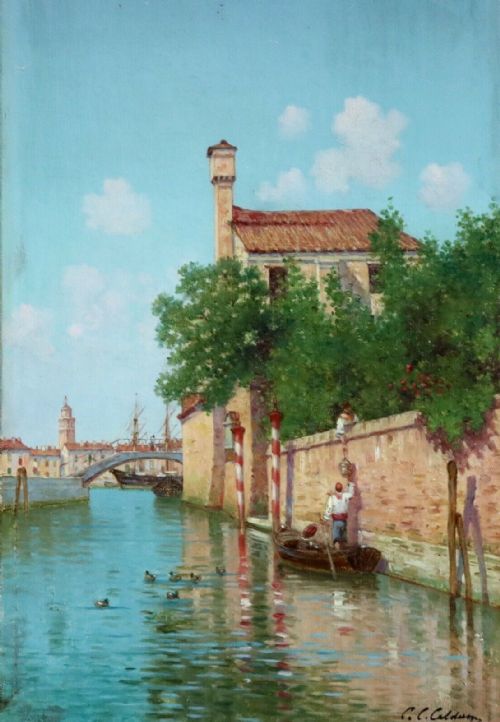


Impressionist Venice Oil Painting
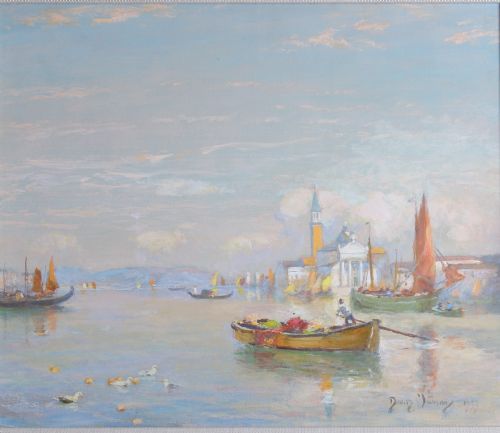
Impressionist venice oil painting captures the shimmering light and water of the lagoon through loose, expressive brushwork.
Impressionist Venice Oil Painting
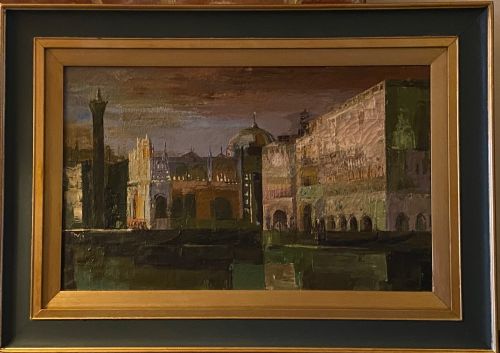
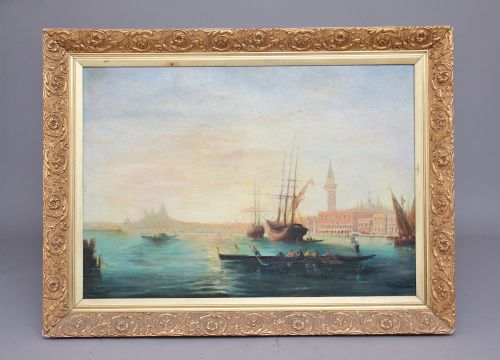
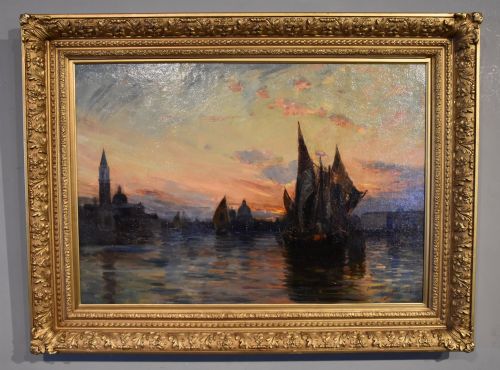
An impressionist venice oil painting brings the atmosphere of the Grand Canal, St Marks Square, and the lagoon directly onto the canvas. These works capture the interplay of light on water and historic architecture through varied periods of European art.
The pieces you encounter span from the nineteenth century through mid-century interpretations, showing Venetian canals, gondolas, and old mansions. Both British and continental hands recorded the city using oil paint on canvas.
Canvases range in scale from intimate lagoon views to large compositions depicting the bustling waterways. Giltwood and gesso frames frequently accompany these works, preserving their period presentation.
How they were made
Artists built these compositions primarily using oil paint applied to stretched canvas, allowing for rich textures and layered colours. Brushes and palette knives laid down thick pigments to capture shimmering light and water reflections.
Frames play a structural and aesthetic role, constructed from wood and finished with gesso, gilt, or gold leaf. These traditional mouldings surround the canvas to complement the vibrant scenes of Venice.
Impressionist Venice Oil Painting Retail Price Guide 2026
Typical asking prices for impressionist venice oil painting among the pieces listed under this phrase on Sellingantiques today, from the lower quarter to the upper quarter. They describe what is for sale here now, not the wider market.
Gondoliers beneath the Bridge of Sighs remain a steadfast favourite for artists seeking drama in the lagoon.
What varies in quality
The distinction in these works lies in the handling of light and the confidence of the brushwork across the canvas. Superior examples capture the movement of the lagoon and the depth of Venetian architecture with distinct immediacy.
Frame construction and material preservation also separate the examples. Original giltwood and gesso surrounds enhance the integrity of the piece compared to later replacements.
Antonio DeVity·Thomas Hodgson Liddell·Claude Jousset·Marc Aldine·Antoine Bouvard Senior·Emanuele Cappello·Charles Clement Calderon
The Impressionist Venice Oil Painting Glossary
- Impressionism
- A style of painting that focuses on the visual impression of the moment, particularly shifting light and atmosphere. Artists use visible brushstrokes and unblended colours rather than precise academic detail.
- Canvas
- A heavy woven fabric stretched tightly over a wooden frame to serve as the foundation for oil paintings. It provides the necessary texture and tension for heavy pigment application.
- Giltwood
- Wood carved and covered with a thin layer of gold leaf or gilt. It frames many traditional paintings to add reflective brilliance.
- Lagoon
- The saltwater body surrounding Venice, frequently depicted in these works with varying tones of blue, green, and grey. It forms the atmospheric backdrop for canals and historic buildings.
Impressionist Venice Oil Painting: Frequently Asked Questions
How do I date an impressionist venice oil painting?
Dating relies upon the materials of the canvas and stretcher, the style of the brushwork, and any signatures or inscriptions on the reverse. Period framing also offers strong clues to the decade of creation.
Examinations of the pigment and the type of wood used in the frame help narrow down whether a piece originates from the nineteenth century or the mid-century period.
Where should I hang these paintings?
These works suit spaces with steady ambient light that highlights the texture of the oil paint on canvas. Avoid placing them in direct sunlight to protect the pigments and any giltwood frames.
Living rooms and studies with neutral wall colours allow the warm tones of the Venetian lagoon and historic architecture to stand out clearly.
What subjects besides canals appear in these works?
Artists frequently recorded St Marks Basilica, St Marks Square, and the Bridge of Sighs alongside quiet corners of the Venetian lagoon. Gondoliers navigating the waterways also feature prominently.
These varied viewpoints capture both the grand civic spaces and the intimate residential canals of the city across different historical periods.