







Impressionist Townscape
Impressionist townscape works capture urban life and street scenes through loose brushwork, and collectors choose them for their vibrant atmosphere and historical charm.
Impressionist Townscape
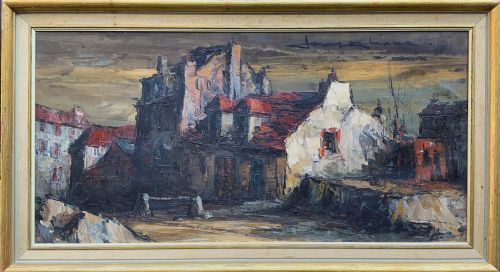
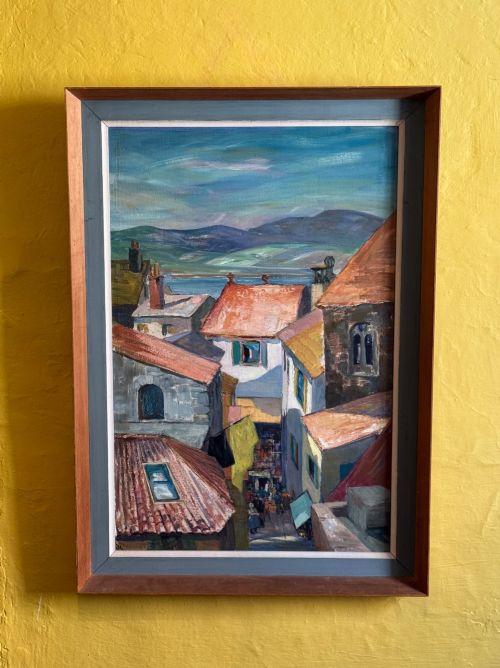
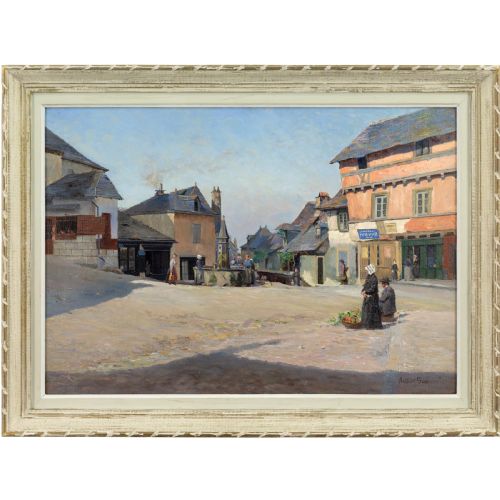
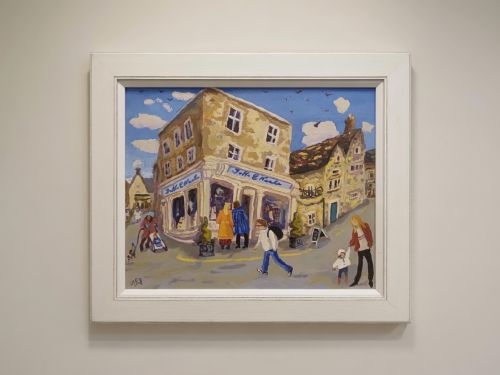
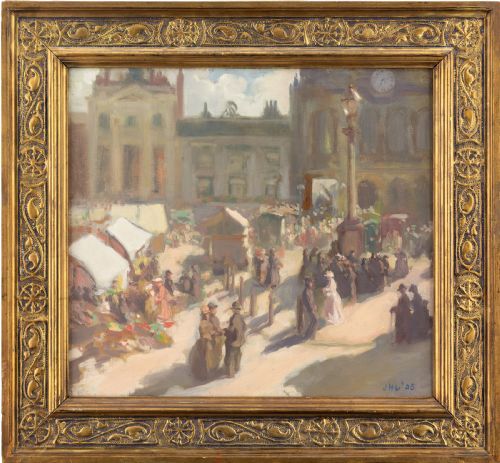
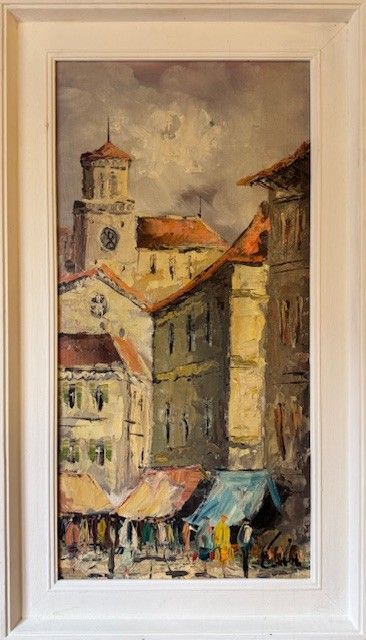
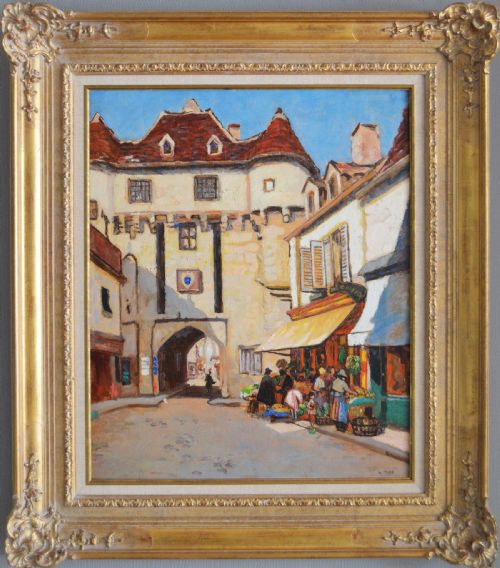
An impressionist townscape records streets, squares, markets, and architecture through painted studies of light and movement. These works translate bustling urban environments onto canvas, board, and panel through the distinct lens of various periods.
The examples gathered here span from the nineteenth century through the mid-twentieth century, offering views ranging from British market towns to French squares. Most pieces rely on oils to render the shifting atmosphere of public spaces.
Buyers will encounter townscapes executed in styles that stretch from Victorian and Edwardian approaches to post-impressionism and mid-century modern interpretations. Each canvas presents a specific locality, whether named streets in Whitby and Huddersfield or continental scenes in France.
Materials and construction
Artists painted these townscapes primarily in oil, utilising oil paint applied to prepared canvas, wooden board, or wood panels. This medium allowed painters to build texture and work with rich pigments to capture natural light outdoors.
Many of these paintings survive in their original wood frames, often enhanced with gilt finishing that complements the painted surface. The support structures range from stretchers for canvas to solid panels that provide a rigid base for the oil pigments.
Impressionist Townscape Retail Price Guide 2026
Typical asking prices for impressionist townscape among the pieces listed under this phrase on Sellingantiques today, from the lower quarter to the upper quarter. They describe what is for sale here now, not the wider market.
Materials recorded across the inventory include canvas, wood, oil paint, board, and gilt frames.
Judging quality in a townscape
Quality rests upon the artist's handling of light, shadow, and architectural perspective to convey a convincing sense of place. A stronger work demonstrates confident brushwork that defines the bustling nature of a market square or street without relying on rigid lines.
The relationship between the support and the medium also shapes the piece, as stable wood panels and well-tensioned canvases preserve the integrity of the oil paint over decades. Framed presentation adds another layer of distinction when the frame suits the period of the painting.
Arthur Gué·John Hodgson Lobley·Paul-Élie Gernez·Lucy Pratt·Joseph W. Milliken·John Sanderson Wells·Donald Wood·Augustus William Enness·Letitia Marion Hamilton
The Impressionist Townscape Glossary
- Oil on board
- A painting executed with oil paint applied directly to a rigid wooden board rather than a woven canvas. This surface offers a smooth, stable ground popular for plein air studies.
- Post-impressionism
- An art movement extending beyond impressionism that focuses on symbolic motifs, clearer structures, and expressive use of paint. Artists working in this manner emphasise bold colour and form.
- Board
- A rigid flat piece of wood or composite material used as a painting support. It lacks the give of stretched canvas.
- Gilt
- A thin layer of gold leaf or gold-coloured paint applied to a frame or object. It provides a reflective decorative border to the artwork.
Impressionist Townscape: Frequently Asked Questions
What periods do these townscapes come from?
The works span from the nineteenth century through the mid-twentieth century, including pieces dated around nineteen hundred, nineteen twenty, and nineteen thirty. Later examples extend into the nineteen fifties and sixties.
This broad timeline incorporates Victorian, Edwardian, and mid-century movements, reflecting how artists interpreted urban environments across generations.
What surfaces were used for these paintings?
Painters utilised stretched canvas, wooden board, and wood panels as supports for their oil pigments. Each material influences how the paint sits and ages over time.
Canvases offer traditional texture while boards and panels provide a rigid, flat surface often favoured for outdoor studies.
Where do these street scenes depict?
The locations include British settings such as Whitby, Huddersfield, and Chipping Norton, alongside continental European views in France such as Antibes, Martigues, and Semur.
These varied geographies show how different localities inspired painters to record market squares and street views.
How should I frame an oil painting?
Most antique oil paintings look best in wooden frames that match their period of origin, often featuring gilt details that draw the eye toward the canvas. Selecting a frame requires balancing the weight of the moulding with the scale of the artwork.
Proper framing also protects the edges of the canvas or board from physical knocks.