




Impressionist Snow Scene Oil
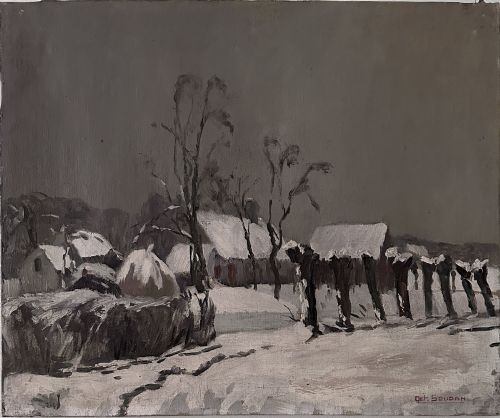
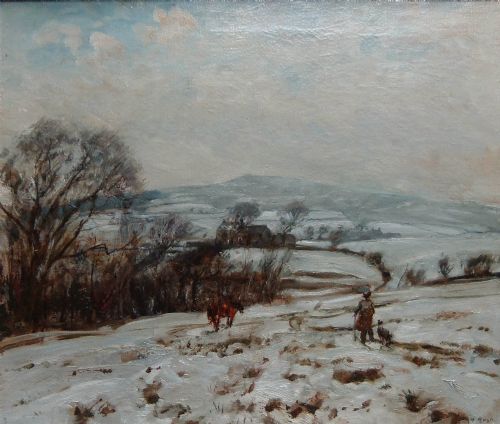
Impressionist snow scene oil works capture winter light through loose brushwork and layered paint, offering buyers atmospheric charm and painterly depth for any room.
Impressionist Snow Scene Oil
An impressionist snow scene oil brings together the distinct atmosphere of winter and the expressive brushwork of the early twentieth century. Buyers seeking these works encounter paintings dating from the 1910s to the 1950s, created within British Impressionism, the French School, and Realism.
Most pieces on this page take the form of oil paintings or fine art paintings executed on canvas or board. Subjects range from village views and townscapes like Montmartre in winter to northern English dales and Canadian landscapes.
The dominant aesthetic relies on pigment applied thickly or fluidly to capture frost, snow cover, and low winter sun. These works reflect regional European and North American approaches to painting winter outdoors or from studio studies.
Materials and technique
Artists painted primarily with oil paint on stretched canvas or wooden board, occasionally incorporating gesso preparation layers beneath the pigment. Frames often feature applied gold leaf to complement the warm tones within the composition.
The technique relies on visible, rapid brushstrokes rather than smooth blending to convey the texture of snow and winter atmosphere. Painters built up surfaces with deliberate impasto and varied layering to catch the ambient light of frosty mornings.
Several canvases manage to make freezing Yorkshire dales look surprisingly inviting.
Distinguishing quality in winter paintings
Quality rests in the handling of light and shadow across white surfaces, where superior works capture subtle blue and violet tones rather than flat white paint. The confidence of the brushwork and the structural composition dictate the artistic success of each piece.
Materials and framing also distinguish the range, with well-preserved canvas supports and period gold leaf frames indicating careful historical stewardship. Stronger examples demonstrate a distinct sense of place, whether depicting Wharfedale, Swaledale, or Parisian streets.
A. McDonald·Herbert Royle·Ernest Higgins Rigg·William Cave Day
The Impressionist Snow Scene Oil Glossary
- Impressionism
- A nineteenth and twentieth century painting style focused on capturing the visual impression of a moment, especially shifting light and atmosphere. Artists used unblended brushstrokes and bright palettes.
- Impasto
- Paint applied thickly to a canvas or board, standing out in relief from the surface. This technique adds tactile depth and catches light across snow textures.
- Gesso
- A paint mixture consisting of a binder mixed with chalk, gypsum, or pigment, used as a prepared surface on wood or canvas. It provides a stable ground for oil paint.
- Board
- A rigid flat support used by artists instead of stretched canvas for painting in oil. Wood and composition boards offer a firm surface favoured for plein air work.
Impressionist Snow Scene Oil: Frequently Asked Questions
What is an impressionist snow scene oil?
An impressionist snow scene oil is a painting executed in oil medium that depicts a winter landscape using expressive brushwork and atmospheric colour. These works focus on light falling across snow rather than precise topographical detail.
Created across the early decades of the twentieth century, they document rural and urban winter views from Britain, France, and Canada.
How should I hang a winter oil painting?
Hang your painting away from direct sunlight and steady sources of heat to protect the oil paint and canvas from drying out or warping. Ensure the wall bracket is secure and suited to the weight of the framed artwork.
Pairing the piece with neutral wall colours helps the subtle blue and grey tones of a snow scene stand out effectively.
How do I care for antique oil paintings?
Dust the surface and frame gently with a soft, dry, lint-free cloth without applying pressure to the canvas or board. Avoid using water, chemical cleaners, or modern cleaning sprays on the painted surface.
Keep the room at a stable relative humidity to prevent the wood frame, gesso, and canvas from expanding or contracting.
How can I tell the period of these paintings?
Dating relies on stylistic evidence, signatures, artist records, and the physical materials of the canvas, board, and frame. Works from the 1910s and 1920s often share specific regional British Impressionist approaches.
Examine the reverse of the board or canvas for old labels, inscriptions, or stamps left by framing shops and galleries.