


Impressionist Seascape Art
Impressionist seascape art captures coastal light and water through loose brushwork, ranging from British harbour scenes to French Riviera views.
Impressionist Seascape Art
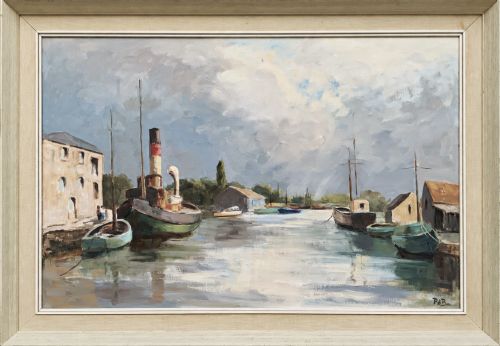
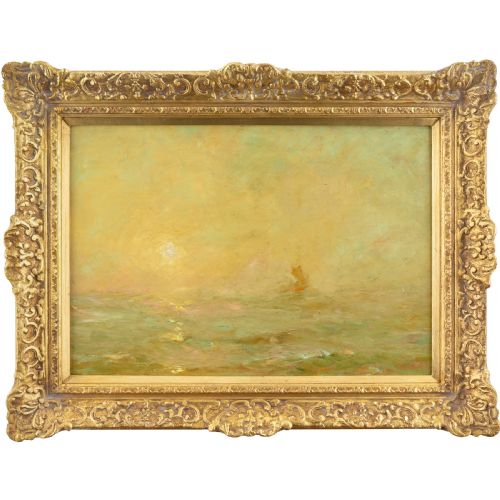
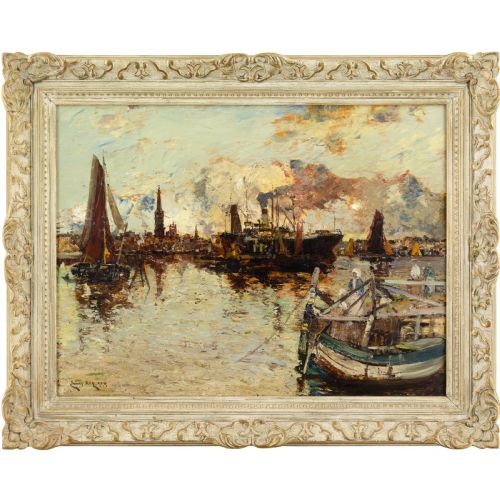
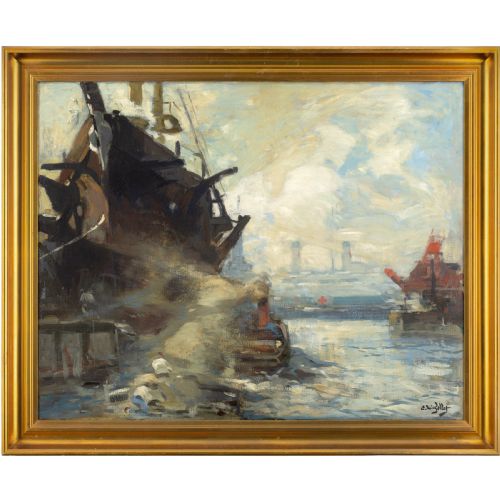
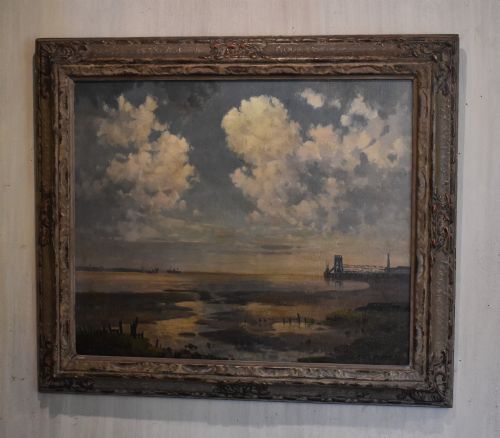
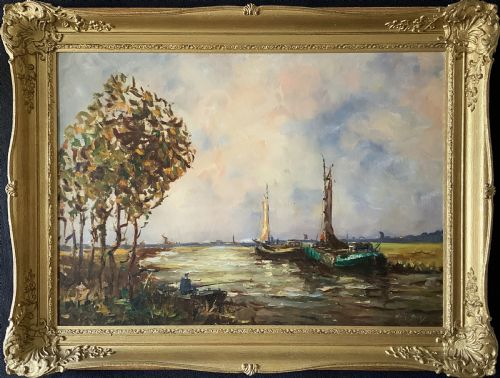
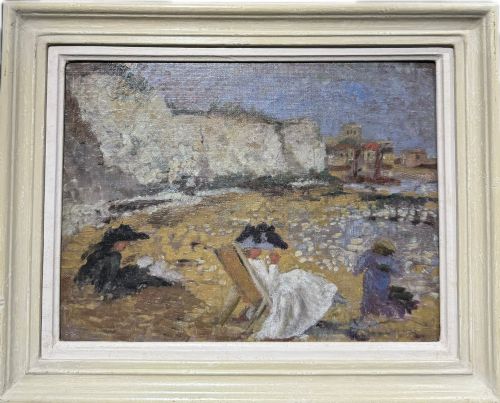
Impressionist seascape art encompasses painted coastal views, harbour scenes, and open water studies created primarily during the late nineteenth and mid-twentieth centuries. These works record fleeting atmospheric conditions, tidal movements, and maritime activity across Britain and continental Europe.
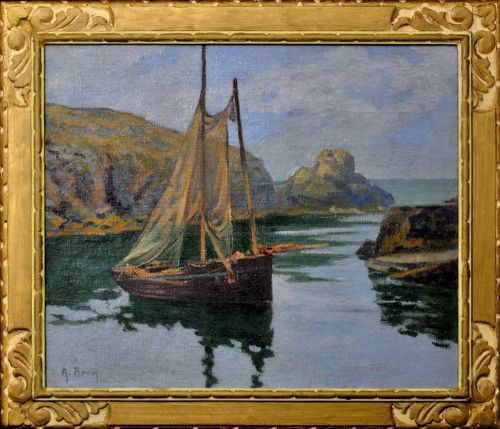
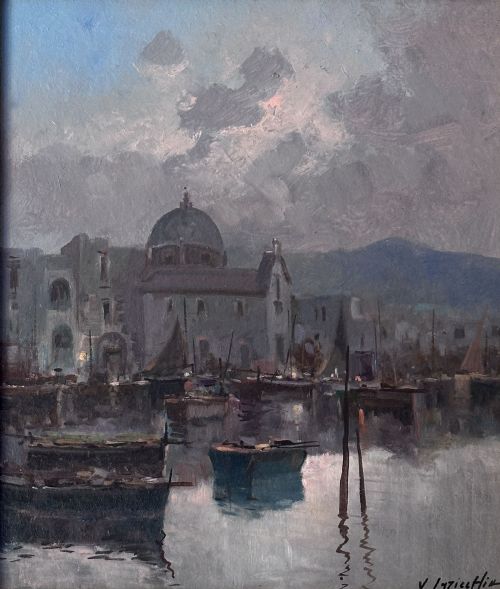
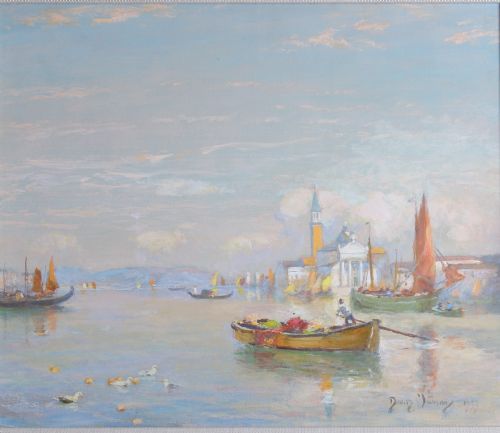
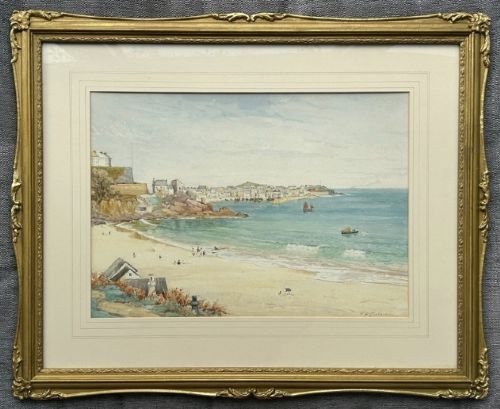
The selections available here lean heavily toward oil paintings on canvas or board, alongside traditional watercolours on paper. Artists working in this mode often painted en plein air to capture the shifting light of the shoreline, from Cornish harbours to Venetian lagoons.
How They Were Made
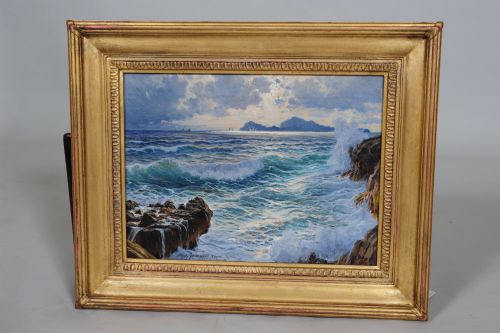
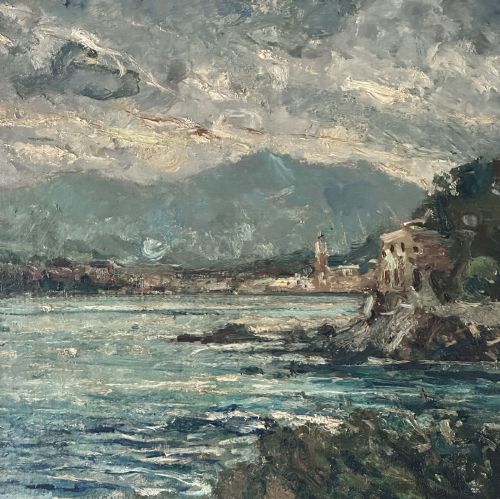
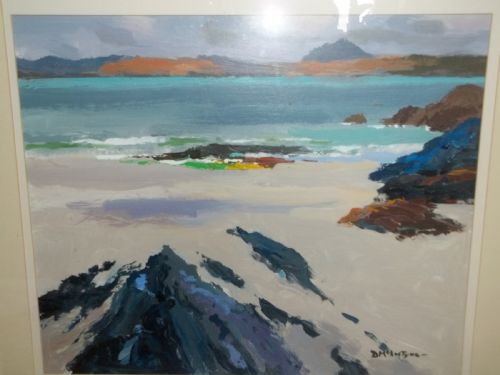
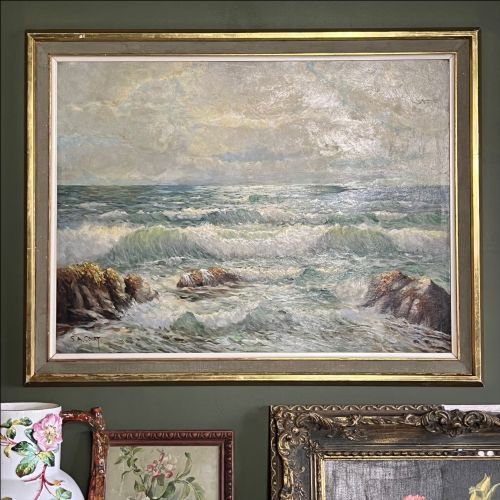
Makers applied oil paint or watercolour onto prepared canvas, wood panels, or heavy paper, utilising rapid brushstrokes to record immediate visual impressions. Impasto techniques appear frequently, building tactile texture in the representation of waves, foam, and coastal rocks.
Many works retain their original gilt or painted wood frames, which complement the maritime subjects. The physical support ranges from traditional stretched canvas to board and paper, reflecting the portable nature of outdoor painting.
Impressionist Seascape Art Retail Price Guide 2026
Typical asking prices for impressionist seascape art among the pieces listed under this phrase on Sellingantiques today, from the lower quarter to the upper quarter. They describe what is for sale here now, not the wider market.
Regional subjects range from British harbour scenes in Cornwall to Mediterranean views along the French Riviera and Venetian lagoons.
What Varies in Quality
The strength of impressionist seascape art rests in the artist's handling of light, atmospheric depth, and tonal harmony. Superior examples demonstrate confident, economic brushwork that conveys movement and wind without excessive detail.
Compositional balance and the accurate rendering of water surface reflections distinguish accomplished works from routine topographical views. The integration of colour to denote shadow and sunlight reveals the painter's true facility with the medium.
Sir David Murray RA·Donald McIntyre·Hans Harlander·Eugène-Louis Gillot·Sidney A. Court·William Banks Fortescue·James Kay RSW·Clive Browne·Hector Caffieri·Lucy Pratt·Ethel Sands·Willem Bos·Cecil Allan Mould RI·Erich Mercker·Thomas Hodgson Liddell·John Holland·Elisabeth Bardon·Lokre·Edward Matthew Elliott·Louis Suire·Gustave Vidal·Gyrth Russell·Jean-Baptiste Olive·Raymond Picque·William Lee Hankey
The Impressionist Seascape Art Glossary
- En plein air
- Painting outdoors to observe direct effects of light and weather on the subject. This method became central to impressionist practitioners seeking immediate truth to nature.
- Impasto
- Paint applied thickly to a canvas or panel, standing out from the surface. It allows the artist to build physical texture, often used to depict crashing waves or sunlit foam.
- Watercolour
- A paint consisting of pigment suspended in a water-soluble vehicle, typically applied to paper. It offers luminous, transparent washes suited to coastal skies and calm seas.
- Gilt frame
- A wooden picture surround coated with gold leaf or metallic paint. These frames enhance the visual weight and period context of nineteenth and twentieth-century paintings.
Impressionist Seascape Art: Frequently Asked Questions
What is impressionist seascape art?
Impressionist seascape art comprises paintings and watercolours focused on marine subjects, coastal towns, and tidal waters, created with loose, expressive brushwork.
These pieces prioritise the capture of atmospheric light, weather, and water movement over rigid topographical accuracy.
How should I hang these paintings?
Display these works away from direct sunlight and excessive humidity to protect the oil paint, canvas, and paper supports.
Ensure the frame is securely fixed to the wall using appropriate fixings suited to the weight of the piece and its wooden or gilt surround.
How do I identify the period?
Dating relies on stylistic markers, artist signatures, framing methods, and stretcher construction. Mid-century examples often show brighter palettes and board supports.
Nineteenth-century and Edwardian works frequently employ traditional canvas on wooden stretchers with muted, tonal harmonies.
Where were these scenes painted?
Artists travelled extensively along European coastlines, recording harbours and beaches in Britain, France, Italy, and the Netherlands.
Popular locations include Cornish fishing ports like St Ives, Venetian canals, and the coastal resorts of Normandy and the Riviera.