



Impressionist Rural Oil Artwork
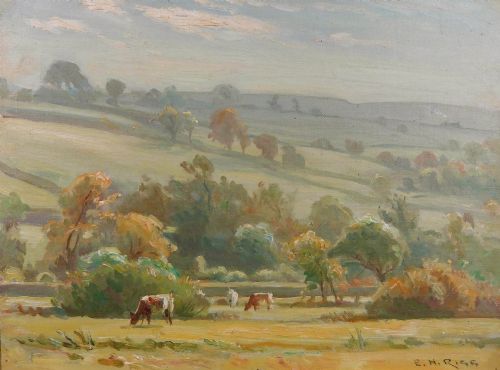
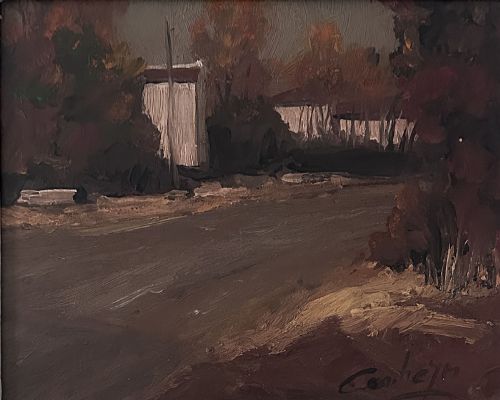
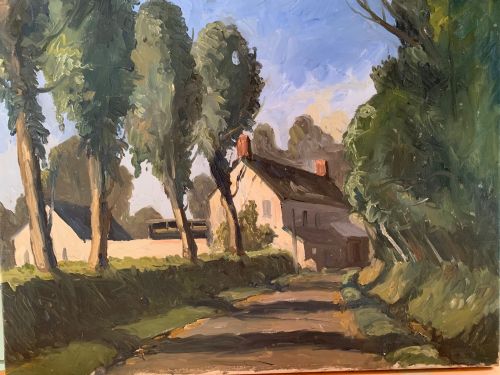
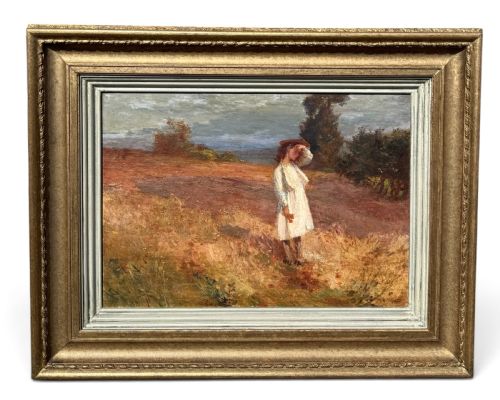
Impressionist rural oil artwork captures pastoral scenes through loose brushwork, bringing natural light and countryside atmosphere directly into domestic spaces.
Impressionist Rural Oil Artwork
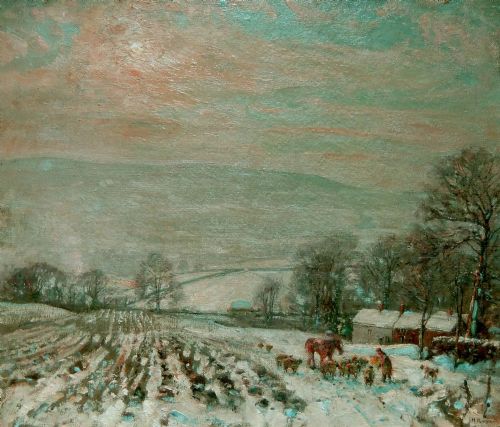
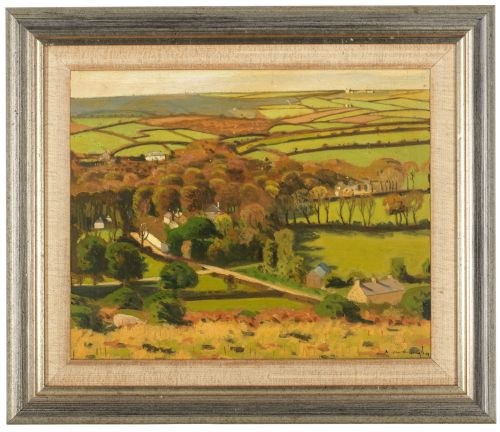
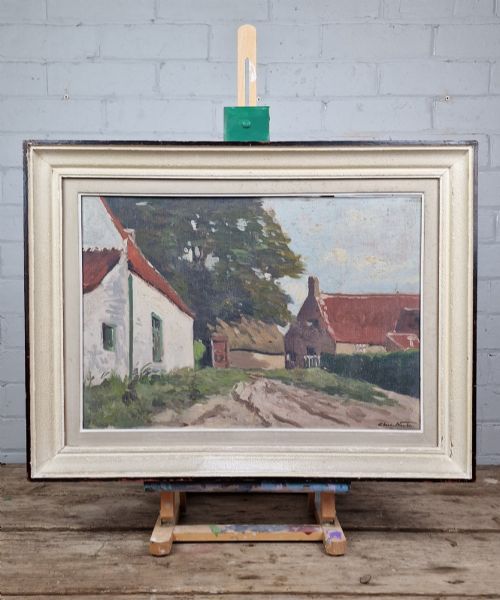
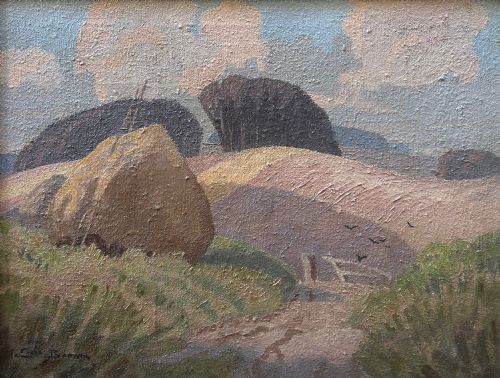
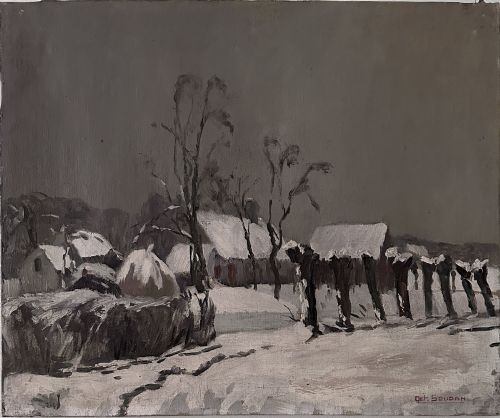
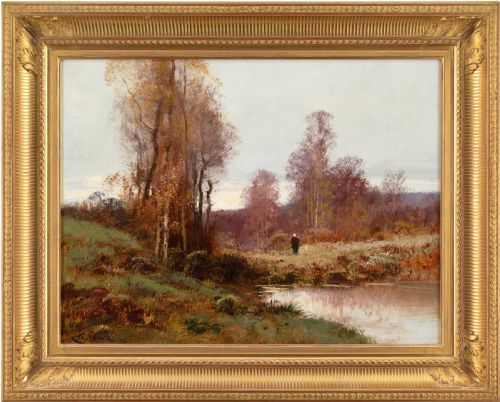
An impressionist rural oil artwork presents countryside scenes, farmyards, and agricultural landscapes captured through painterly observation. These pieces draw from British Impressionism, Post-Impressionism, and the French School, reflecting rural life across the nineteenth and twentieth centuries. The selection centres on oil paintings executed on canvas, board, and wood panel.
Buyers commonly encounter regional British views alongside French provincial scenes and Belgian compositions. Many works depict specific localities such as Yorkshire, Cornwall, and Normandy, portraying haystacks, working horses, and pasturelands. These paintings utilise expressive brushwork to record changing light and seasonal conditions in rural environments.
Materials and Techniques
Artists painted primarily with oil paint applied to stretched canvas, wooden panels, or rigid board supports. The medium allows for thick impasto application and subtle blending, which painters used to build texture and luminosity. Gilt wood frames frequently enclose these works, providing a decorative border that complements the painted surface.
Makers employed broken brushstrokes and unblended colour juxtaposed to convey natural light and atmosphere. Technique varied from rapid plein air execution capturing fleeting weather to considered studio compositions built on earlier sketches. This handling of pigment creates the characteristic surface texture defining the genre.
Listings feature oil paintings on canvas, board, and wood panel dating from the Victorian period through the 1950s.
Distinctions in Quality
Quality rests on the confidence of the brushwork and the artist's command of light and tonal harmony. Superior examples demonstrate assured handling that suggests depth and atmosphere with economy of line, whereas lesser works remain stiff or formulaic. The sensitivity of colour relationships dictates whether a canvas successfully evokes the specific mood of a rural landscape.
Condition of the paint surface and original support influences the standing of a piece. Works retaining their initial canvas tension and stable pigment layers without excessive restoration hold greater integrity. Framing also contributes, as period gilt wood mouldings selected for the specific painting enhance the visual impact of the artwork.
Herbert Royle·Robert Morson Hughes·Charles Houben·Ernest Higgins Rigg·John Horace Hooper·Charles Clair·Harry Freckleton·Raimond Louis Lecourt·William JB Jenkins·Reginald Grange Brundrit·Owen Bowen·William Greaves·Willem Anton Alexander Knip·Frederick W Jackson·William Grant Murray·James William Booth·Florence Hess·Lorenzo Headley·Helmut Reuter
The Impressionist Rural Oil Artwork Glossary
- Impressionism
- A nineteenth-century painting movement focusing on visual impressions of the moment through objective recording of light and stroke. It prioritises open composition and visible brushwork.
- Impasto
- Paint applied thickly to a canvas or panel, standing out in relief from the surface. This technique adds tactile depth and catches light across the brush marks.
- Plein air
- Painting executed outdoors directly in front of the subject to capture natural light and atmospheric conditions. It became central to nineteenth-century landscape practice.
- Post-Impressionism
- Art styles extending impressionism while rejecting its limitations, emphasising symbolic content, formal order, or heavier structures of paint. It encompasses diverse personal approaches to colour and form.
- Provenance
- The chronological history of the ownership of a work of art, establishing authenticity and past location. Documented studio sales or exhibitions strengthen this record.
Impressionist Rural Oil Artwork: Frequently Asked Questions
What subjects do these paintings show?
These works depict rural scenes including farmyards, haystacks, agricultural laborers, and livestock grazing in pastures. Landscapes range from Yorkshire dales and Cornish coastlines to French provincial villages and Norman river views.
Artists focused on daily agricultural routines and seasonal changes in the countryside. The imagery documents traditional farming methods and rural architecture from the Victorian era into the mid-twentieth century.
How should I hang and light an oil painting?
Hang oil paintings away from direct sunlight and damp environments to protect the canvas and pigment. Stable indoor temperatures prevent expansion and contraction of wooden panels and stretcher frames.
Use picture lights with low heat emission or position ambient lighting to illuminate the surface without glare. Ensure the wall structure securely supports the weight of the framed artwork.
How can I identify the period of a work?
Dating relies on stylistic markers, framing, canvas stamps, and artist signatures recorded in historical exhibition records. Costume, agricultural equipment, and architectural details within the scene often provide clues to the era.
Examining the reverse of the canvas or board can reveal old labels, titles, and maker inscriptions. Comparing stylistic execution with documented dates for the artist narrows the creation window.
What is the difference between canvas and board?
Canvas consists of woven fabric stretched over a wooden frame, providing slight give and a textured surface. Board or wood panel offers a rigid support that resists punctures and movement over decades.
Painters selected supports based on portability and personal preference for working texture. Both methods accommodate oil paint effectively but age through different patterns of craquelure.