




Impressionist Rural Countryside Art
Impressionist rural countryside art captures pastoral scenes through loose brushwork and natural light, appealing to collectors seeking quiet agricultural views.
Impressionist Rural Countryside Art
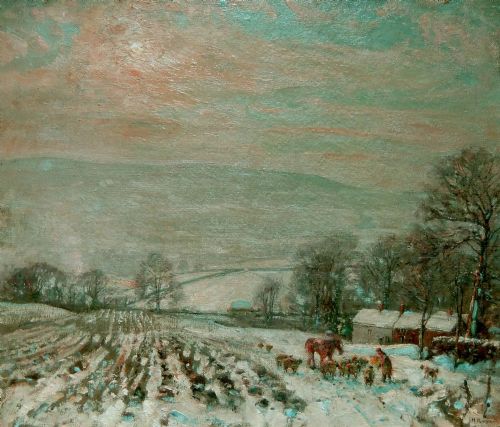
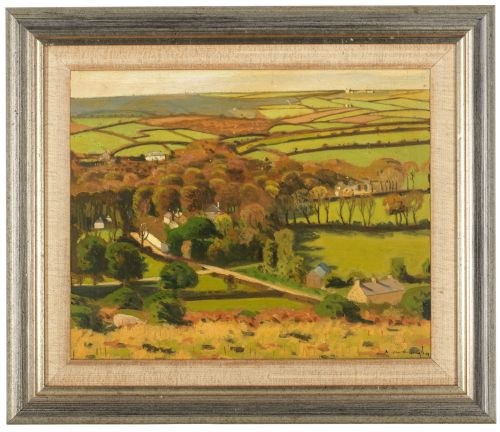
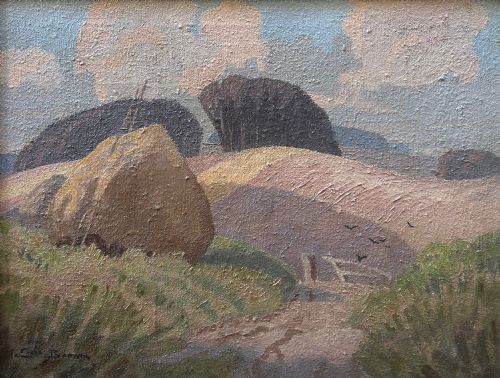
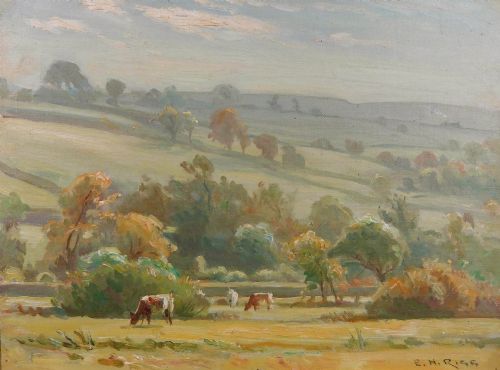
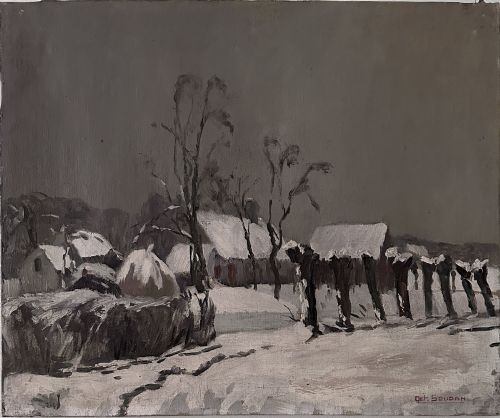
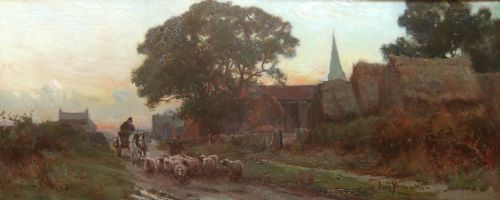
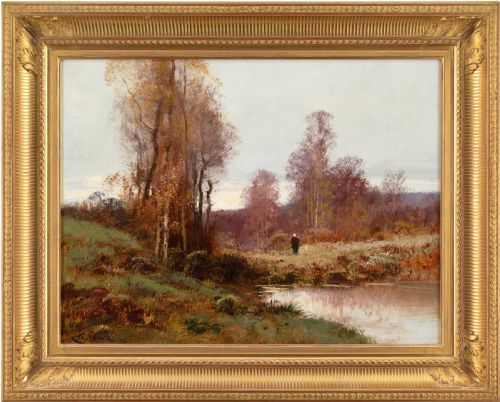
Impressionist rural countryside art encompasses paintings depicting fields, farms, villages, and rivers created from the late nineteenth century through the mid twentieth century. Buyers seeking this phrase encounter works portraying haystacks, winter feeding scenes, and pastoral valleys under changing weather conditions.
Materials and methods
Artists painted primarily with oil on canvas, board, or wood panels, utilising thick pigment applications to build visible texture. Others worked in watercolour on paper, capturing lighter atmospheric effects across rural landscapes.
Support materials such as stretched canvas and wooden panels received priming before paint application, allowing brushstrokes to remain expressive. Frames frequently accompanied these pieces to protect the edges of the canvas or paper surface.
Several sheep make repeated appearances across Yorkshire pasture scenes, stubbornly grazing through changing decades of British weather.
Variations in quality
Quality rests upon the confidence of the brushwork and the artist's handling of natural light within the rural setting. Stronger pieces display a clear sense of atmosphere and spatial depth rather than rigid topographical accuracy.
The fidelity of the colour palette and the preservation of the original pigment layer distinguish finer examples from standard decorative works. Superior compositions maintain balance between the foreground details and the wider landscape background.
George Graham·Herbert Royle·Robert Morson Hughes·Eric Brown·Ernest Higgins Rigg·John Horace Hooper·Owen Bowen·Charles Clair·Edgar Woollatt·Fred Lawson·Reginald Grange Brundrit·William Greaves·James William Booth·Lorenzo Headley·Helmut Reuter·Rowland Henry Hill·James L. Brooke·Frederick William Jackson·Kershaw Schofield
The Impressionist Rural Countryside Art Glossary
- Oil paint
- A slow-drying paint made by combining pigment particles with drying oils such as linseed. This medium allows artists to work wet-on-wet and create textured surfaces.
- Watercolour
- A paint consisting of colour pigments suspended in a water-soluble vehicle. It is typically applied to paper to produce translucent washes.
- Board
- A rigid wooden or composition support used as a substitute for stretched canvas. It provides a firm foundation for oil painting.
- Impressionism
- A nineteenth-century art movement characterised by relatively small, thin, yet visible brush strokes and an emphasis on accurate depiction of light. It forms the stylistic root of these rural scenes.
- Post-Impressionism
- A predominantly French art movement that developed from Impressionism, extending its limitations while retaining its use of vivid colours. Artists applied thick paint and distinct brushwork to rural subjects.
Impressionist Rural Countryside Art: Frequently Asked Questions
What subjects appear in this art?
Paintings show rural vistas including farmsteads, hayfields, village lanes, and river valleys during different seasons.
Scenes frequently capture sheep grazing, winter feeding, and agricultural harvests across British and French countryside locations.
Which materials were used?
Artists employed oil paint on canvas, wood panels, or boards, alongside watercolours on paper supports.
These traditional mediums allowed painters to capture varying atmospheric conditions out in the open air.
How should these paintings be hung?
Display works away from direct sunlight and damp environments to protect the canvas, paper, and wooden panels.
Ensure stable wall fixings support the weight of the framed oil paintings or watercolours.
How do I identify the period?
Dates are determined through artist signatures, framing styles, and the specific clothing or architecture depicted in the scene.
Many works bear exhibition labels or inscriptions on the reverse detailing the location and year of creation.