



Impressionist Rose Art
Impressionist rose art captures botanical beauty through loose brushwork and vibrant light, offering collectors a timeless window into floral still life painting.
Impressionist Rose Art
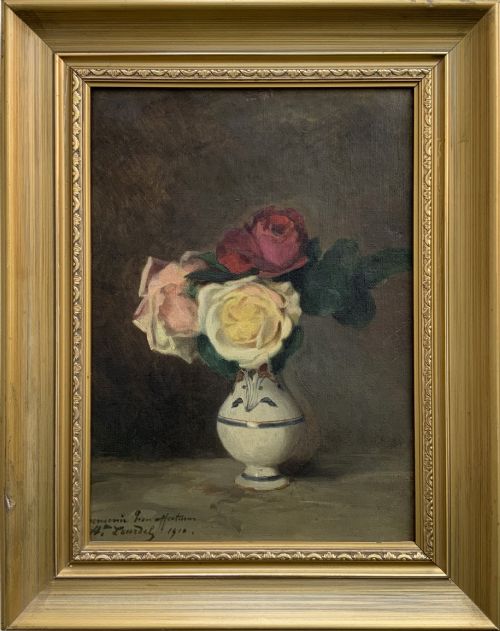
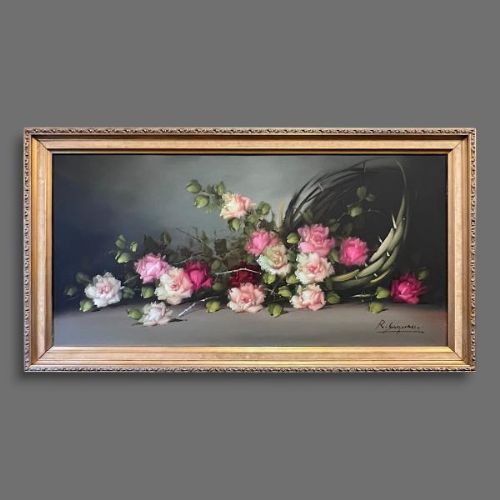
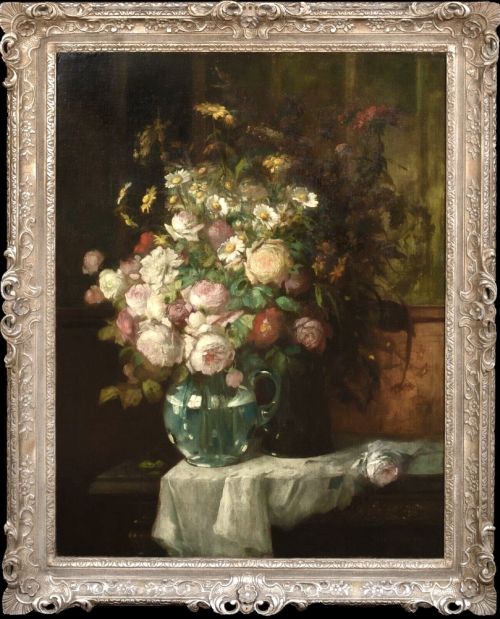
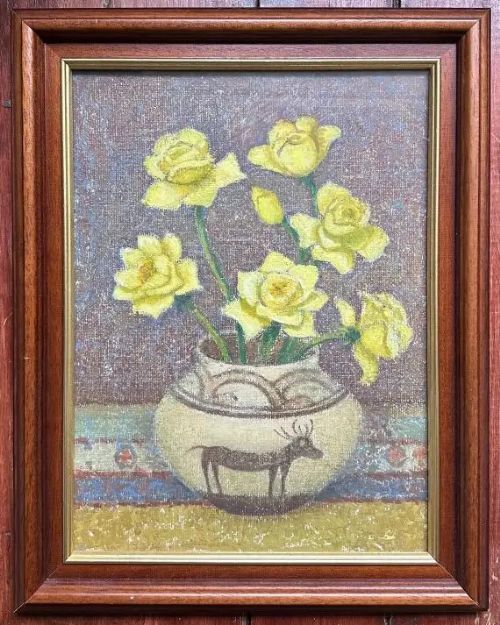
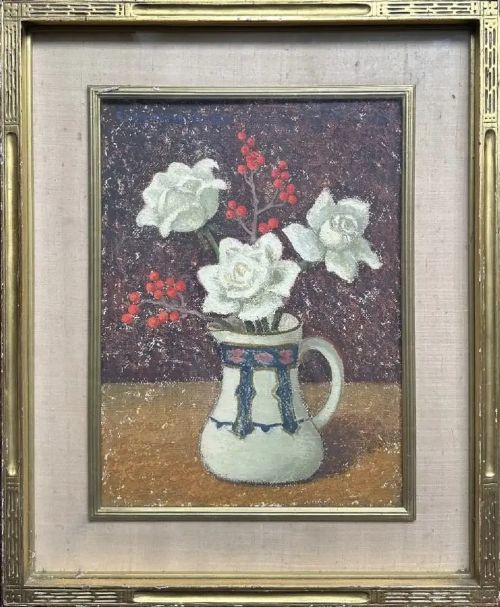
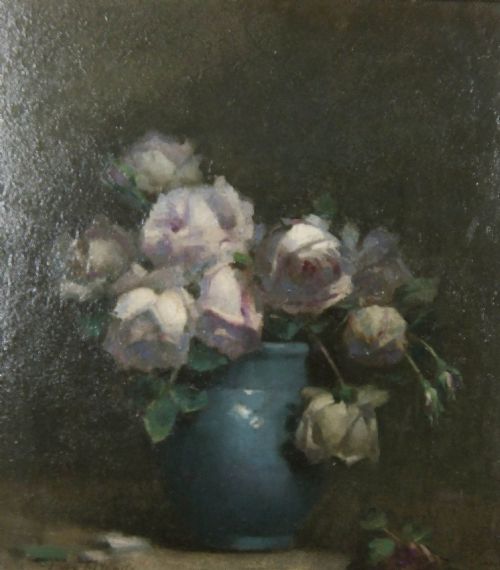
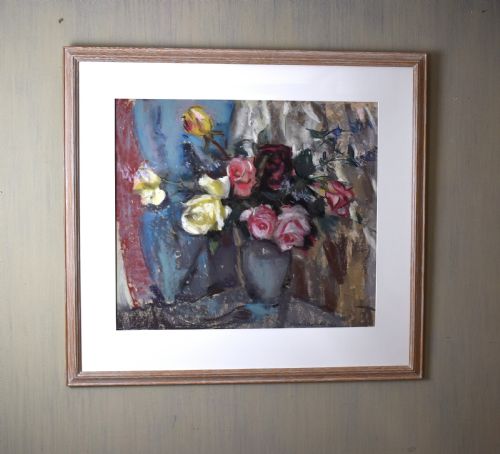
Impressionist rose art encompasses oil paintings and pastels depicting floral subjects through the lens of various national schools, notably British, French, and American impressionism. These works capture roses arranged in vases, wicker baskets, or traditional pottery, focusing on the play of light across petals and foliage.
The pieces span from the nineteenth century through the mid-twentieth century, recording the enduring appeal of the subject across decades of changing artistic movements. Buyers encountering this selection will find works ranging from early nineteenth-century European canvases to twentieth-century modern British and American compositions.
Object types on display include framed oil paintings on canvas and panel alongside pastel works on paper, demonstrating diverse approaches to capturing floral textures. The focus remains steadfastly on the rose motif, interpreted through painterly strokes rather than rigid botanical illustration.
Materials and technique
Artists working within this genre relied primarily on oil paint applied to canvas, wood panels, or occasionally pastel on paper to build rich surface textures. The handling of pigment is characteristically direct, utilising visible brushstrokes to convey the ephemeral qualities of light and shadow on organic forms.
Many of these artworks are housed in period frames constructed from wood and finished with gesso and gold leaf or gilded surfaces. These traditional framing methods complement the painterly style of the canvases while providing structural support and historical context.
Impressionist Rose Art Retail Price Guide 2026
Typical asking prices for impressionist rose art among the pieces listed under this phrase on Sellingantiques today, from the lower quarter to the upper quarter. They describe what is for sale here now, not the wider market.
Some nineteenth-century roses have outlived their original gardens by more than a hundred years, perfectly preserved in oil paint.
Assessing quality and execution
Quality in these paintings rests on the confidence of the brushwork and the artist's ability to render the luminosity of petals without resorting to rigid detail. Stronger compositions demonstrate a sophisticated understanding of tonal balance, where the interplay between the subject and the background space feels deliberate and harmonious.
The handling of the underlying support and the preservation of the paint surface also distinguish finer examples. Works that retain their original gilded wood frames and show minimal intervention offer a more complete historical object for the collector.
Konstantin Stoitzner·Emma Fordyce MacRae·William Thomas Wood·Lena M Alexander·Ernest Higgins Rigg·Owen Bowen·Jules Felix Ragot
The Impressionist Rose Art Glossary
- Impressionism
- A nineteenth-century painting style characterised by relatively small, thin, yet visible brush strokes and an emphasis on accurate depiction of light. It revolutionized how artists captured fleeting visual moments.
- Oil paint
- A type of slow-drying paint consisting of particles of pigment suspended in a drying oil, commonly linseed. It allows for rich blending and textured impasto application.
- Gesso
- A paint mixture consisting of a binder mixed with chalk, gypsum, or pigment, used to prepare wood or canvas surfaces. It provides a smooth base for subsequent layers of oil paint or gilding.
- Pastel
- A dry art medium in the form of a stick, consisting of powdered pigment and a binder. Pastel works on paper offer a velvety texture and direct pigment application.
Impressionist Rose Art: Frequently Asked Questions
How do I hang a heavy oil painting safely?
Ensure your wall fixings are secured directly into masonry or wooden wall studs rather than relying solely on plaster. Use picture wire and sturdy D-rings rated well above the weight of the framed canvas.
Distribute the weight evenly across two hanging points to keep the artwork level and reduce strain on the frame joints. Check the stability of the frame corners before mounting.
Where should I place impressionist art at home?
Position your painting away from direct sunlight and heat sources such as radiators to protect the oil paint and canvas from drying out or warping. Stable room temperatures preserve both the pigments and the wooden stretcher bars.
Choose a wall with ambient, indirect lighting to enhance the visible brushstrokes and colour tones without causing glare on the varnished surface. Wall placement should also keep the centre of the canvas at eye level.
How can I tell a nineteenth-century painting from later works?
Examine the construction of the stretcher frames, the type of canvas weave, and the composition of the gesso beneath the paint layers. Earlier nineteenth-century works often feature hand-planed wooden stretchers and denser, aged canvas grounds.
Stylistic cues also offer guidance, as nineteenth-century approaches often employ tighter tonal gradations compared to the bolder, looser mark-making seen in mid-twentieth-century examples.