

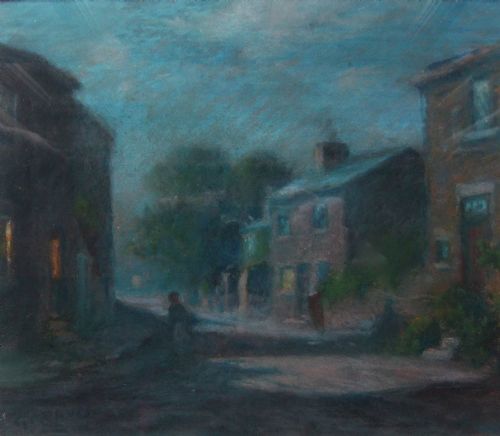


Impressionist Pastel Landscape Painting
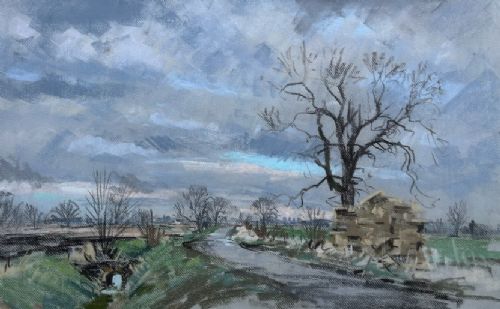
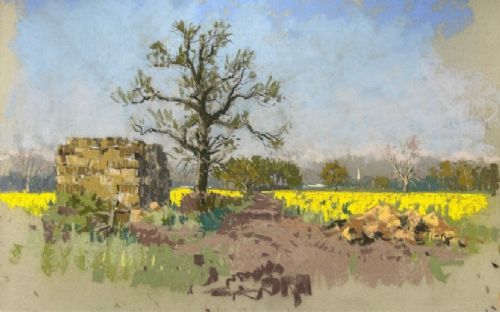
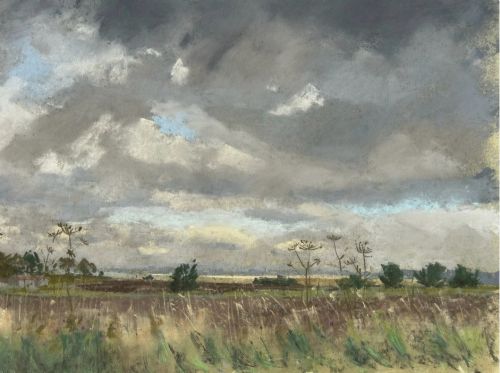
Impressionist pastel landscape painting captures transient atmospheric light using dry pigment on paper, offering buyers intimate windows into early and mid-twentieth-century scenery.
Impressionist Pastel Landscape Painting
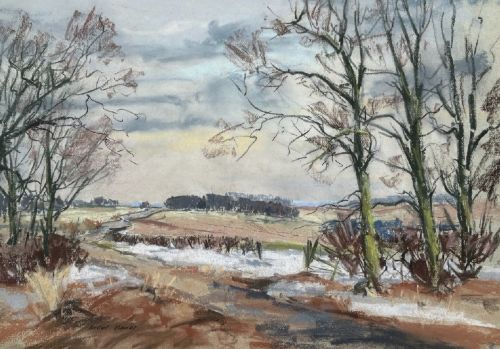
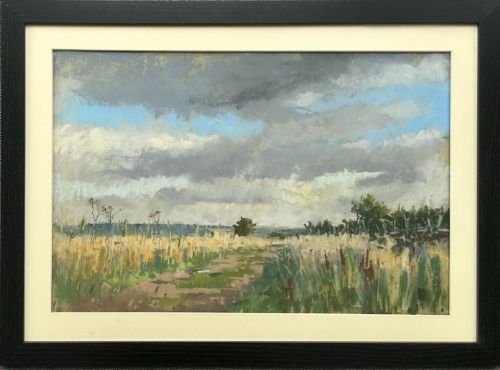
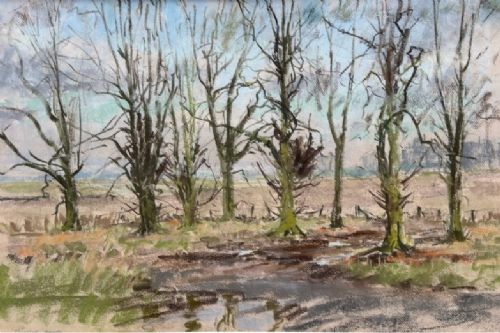
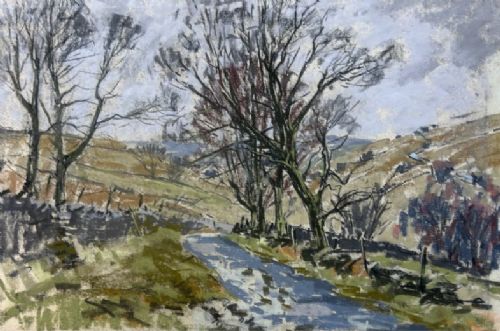
An impressionist pastel landscape painting is typically executed on paper using soft coloured chalks to record immediate visual impressions of rural and coastal scenery. These works emerge predominantly from British and European schools across the first half of the twentieth century, capturing specific locations from Yorkshire valleys to Mediterranean harbours.
The pieces most frequently met on this page date from the mid-twentieth century and record regional British views, particularly Yorkshire snow scenes and winter landscapes. Alongside these domestic subjects, collectors encounter continental views executed in the same direct, sketch-like manner.
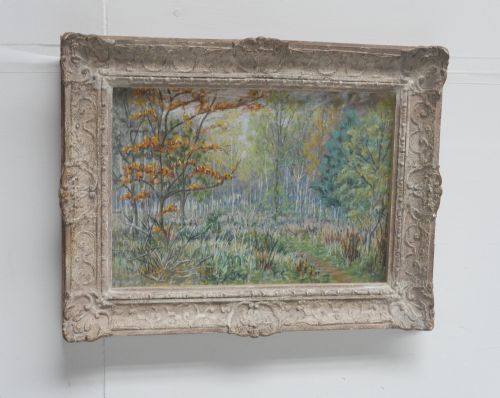
The physical form is usually a framed wall art piece preserved behind glass to protect the delicate pigment surface from smudging. Works range from intimate studio portfolio sheets to finished compositions signed by established regional artists.
Materials and technique
Pastel pigment and chalk are applied directly to a paper support in layered strokes to build texture and tone without heavy binders. Artists often combined pastel with watercolour washes or used chalk lines to block out the composition before working up the colours.
Works on paper require framing beneath glass and within wood mouldings to prevent physical disruption of the friable pigment layer. The interaction between the dry chalk and the textured paper grain creates the characteristic luminosity of these landscape scenes.
Impressionist Pastel Landscape Painting Retail Price Guide 2026
Typical asking prices for impressionist pastel landscape painting among the pieces listed under this phrase on Sellingantiques today, from the lower quarter to the upper quarter. They describe what is for sale here now, not the wider market.
Listings feature works executed on paper, canvas, and board using pastel, oil paint, watercolour, and chalk.
Distinctions in quality
Quality rests upon the artist's ability to command the dry medium so that light and atmosphere appear immediate rather than overworked. Stronger works display confident handling of pigment where the interaction of colour creates depth within the sky or water.
The preservation of the paper support and the vibrancy of the unprotected pigment dictate the visual success of the piece. Superior examples retain their original character without excessive fading or loss of powdery chalk definition.
Angus Rands·William Greaves·Gyrth Russell·Berthe des Clayes·Henry Wimbush·Walter Holmes·Augustus William Enness·Lamorna Birch R.A.
The Impressionist Pastel Landscape Painting Glossary
- Pastel
- A dry painting medium consisting of powdered pigment combined with a binder, formed into sticks for direct application to paper. It produces velvety surfaces and vibrant colour mixes.
- Chalk
- A soft, earthy limestone material used in stick form for drawing outlines or adding highlights within a mixed media landscape. It provides firm linear definition beneath or beside softer pastel strokes.
- Post-Impressionism
- An art movement extending beyond impressionism that prioritises expressive form and symbolic colour over naturalistic representation. Works in this style emphasise bold brushwork and structural clarity.
- British Impressionism
- A movement adopting French open-air painting methods to capture British light, weather, and rural scenery. Practitioners often utilised rapid marks to record fleeting atmospheric conditions.
Impressionist Pastel Landscape Painting: Frequently Asked Questions
What is an impressionist pastel landscape painting?
An impressionist pastel landscape painting is a work on paper created with dry chalks that captures a fleeting moment in nature, such as light on water or snow across a valley.
These works rely on layered pigments rather than blended oils to convey the atmosphere and weather of specific rural or coastal locations.
How do I identify mid-twentieth century works?
Mid-twentieth century pieces often depict regional British topography, such as Yorkshire dales and winter scenes, rendered with loose, expressive pastel marks.
Signatures, artist studio stamps, and period framing materials frequently help date these works to the decades around the middle of the century.
Are pastels considered durable?
Pastel pigment is inherently stable because it contains pure mineral and earth colours without oil binders that discolour over time.
However, the physical surface remains vulnerable to vibration and touch, meaning the artwork relies entirely on its protective glass enclosure for physical longevity.